Introduction
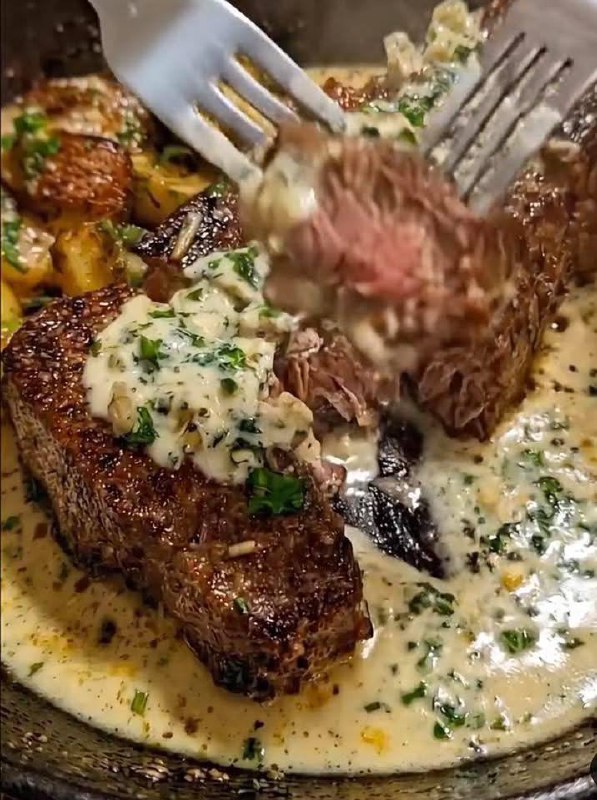
Imagine sinking your teeth into a perfectly seared, incredibly juicy steak, its rich flavor elevated by a velvety, aromatic garlic cream sauce. This isn’t just a meal; it’s an experience, a symphony of textures and tastes that transforms a simple dinner into a gourmet delight. Our Juicy Steak with Creamy Garlic Sauce recipe is designed to bring that restaurant-quality magic right into your kitchen, making you the culinary hero of your own home. It’s the ultimate indulgence for a special occasion, a fantastic way to impress guests, or simply a treat for yourself after a long week.
What makes this dish truly special is the harmonious balance between the robust, beefy notes of a perfectly cooked steak and the luxurious, savory embrace of the garlic cream sauce. We’ll guide you through the art of achieving that coveted golden-brown crust and a tender, pink interior, ensuring every bite is succulent and flavorful. Then, we’ll show you how to transform the pan drippings into an irresistible sauce, infused with fragrant garlic and fresh herbs, that coats the steak in a layer of pure deliciousness. This isn’t just about following steps; it’s about understanding the techniques that elevate your cooking from good to extraordinary.
Whether you’re a seasoned home cook or just starting your culinary journey, this recipe is approachable yet yields profoundly impressive results. The visual appeal alone, with the glistening steak nestled in a pool of creamy sauce, often garnished with vibrant green herbs and accompanied by crispy potatoes, is enough to get mouths watering. Get ready to master the art of steak perfection and create a memorable meal that will have everyone asking for your secret!
Nutritional Information
Per serving (approximate values):
- Calories: 720 kcal
- Protein: 65g
- Carbohydrates: 15g
- Fat: 45g
- Fiber: 2g
- Sodium: 850mg
Ingredients
- 2 (1.5-inch thick) Ribeye, New York Strip, or Sirloin steaks (about 12-14 oz each)
- 1 tablespoon olive oil (or high smoke point oil like avocado oil)
- 1 tablespoon unsalted butter
- 2 cloves garlic, smashed
- 1 teaspoon fresh rosemary, chopped (optional, for basting)
- Salt, to taste (preferably coarse sea salt or kosher salt)
- Freshly ground black pepper, to taste
- 1 tablespoon unsalted butter
- 4 cloves garlic, minced
- 1/2 cup beef broth (low sodium)
- 1 cup heavy cream
- 1/4 cup grated Parmesan cheese
- 2 tablespoons fresh parsley, finely chopped
- 1 tablespoon fresh chives, finely chopped (optional)
- Salt and freshly ground black pepper, to taste
- 1 pound small potatoes (such as baby Yukon Golds or red potatoes), quartered or halved
- 2 tablespoons olive oil
- 1/2 teaspoon dried rosemary or thyme
- Salt and freshly ground black pepper, to taste
Instructions
- Prepare the Steaks: Remove steaks from the refrigerator at least 30-60 minutes before cooking to bring them closer to room temperature. Pat the steaks thoroughly dry with paper towels. This is crucial for achieving a good sear. Season both sides generously with salt and freshly ground black pepper.
- Prepare the Potatoes: Preheat your oven to 400°F (200°C) or prepare to pan-fry them. In a medium bowl, toss the quartered or halved potatoes with 2 tablespoons of olive oil, dried rosemary or thyme, salt, and pepper. If roasting, spread them in a single layer on a baking sheet and roast for 25-35 minutes, or until tender and golden brown, flipping halfway through. If pan-frying, heat 2 tablespoons of olive oil in a separate large skillet over medium-high heat. Add potatoes and cook, stirring occasionally, until tender and crispy, about 20-25 minutes.
- Sear the Steaks (Initial Sear): Heat a heavy-bottomed skillet (preferably cast iron) over high heat until it’s smoking slightly. Add 1 tablespoon of olive oil. Once the oil shimmers, carefully place the seasoned steaks in the hot pan. Do not overcrowd the pan; cook one or two at a time if necessary. Sear undisturbed for 2-3 minutes per side until a deep, golden-brown crust forms.
- Baste the Steaks: Reduce the heat to medium. Add 1 tablespoon of unsalted butter, 2 smashed garlic cloves, and optional fresh rosemary to the pan. Tilt the pan slightly and, using a spoon, continuously baste the melted butter and pan juices over the steaks for another 2-4 minutes, flipping once or twice, until the steaks reach your desired doneness.
- Check Doneness: For medium-rare (our recommendation for juiciness), an internal temperature of 130-135°F (54-57°C) is ideal. For medium, aim for 135-140°F (57-60°C). Use an instant-read meat thermometer inserted into the thickest part of the steak.
- Rest the Steaks: Once cooked to your preference, transfer the steaks to a cutting board and tent loosely with aluminum foil. Let them rest for at least 5-10 minutes. This allows the juices to redistribute throughout the meat, ensuring a tender and juicy result. Do not discard the pan drippings.
- Make the Creamy Garlic Sauce: While the steaks are resting, return the same skillet (with the pan drippings and any remaining butter/garlic) to medium heat. Add 1 tablespoon of unsalted butter and the 4 cloves of minced garlic. Sauté for 1 minute until fragrant, being careful not to burn the garlic.
- Deglaze and Build Sauce: Pour in the 1/2 cup of beef broth, scraping up any browned bits (fond) from the bottom of the pan with a wooden spoon. This fond is packed with flavor. Let the broth simmer and reduce slightly for 1-2 minutes.
- Add Cream and Cheese: Stir in the 1 cup of heavy cream. Bring the sauce to a gentle simmer and cook for 3-5 minutes, stirring occasionally, until it thickens slightly. Remove from heat and stir in the grated Parmesan cheese until melted and smooth.
- Finish the Sauce: Stir in the finely chopped fresh parsley and optional chives. Taste and adjust seasoning with salt and freshly ground black pepper as needed.
- Slice and Serve: Slice the rested steaks against the grain into thick pieces. Arrange the sliced steak on plates, generously spoon the creamy garlic sauce over the top, and serve immediately with the roasted or pan-fried potatoes on the side. Garnish with additional fresh herbs if desired.
Cooking Tips and Variations
Choosing Your Steak: While ribeye is often lauded for its marbling and flavor, a New York strip offers a good balance of tenderness and chew. Sirloin is a more economical choice that still delivers great flavor when cooked correctly. Always opt for a steak that is at least 1.5 inches thick for the best results in achieving a good crust without overcooking the interior.
The Importance of Patting Dry: This step cannot be overstated. Moisture on the surface of the steak prevents the Maillard reaction (the browning that creates delicious flavor and crust). Take the time to pat your steak thoroughly dry with paper towels before seasoning.
High Heat for Searing: A screaming hot pan is essential for developing that beautiful, flavorful crust. Don’t be afraid of a little smoke. If your pan isn’t hot enough, the steak will steam rather than sear.
Don’t Overcrowd the Pan: Cooking too many steaks at once will drop the pan’s temperature, leading to steaming instead of searing. Cook in batches if necessary.
Resting is Non-Negotiable: After searing, the muscle fibers in the steak are tight, holding the juices. Resting allows these fibers to relax and the juices to redistribute throughout the meat. Cutting too soon will result in a dry steak and a puddle of delicious juices on your cutting board instead of in your mouth.
Use a Meat Thermometer: For consistent results and to ensure you hit your desired doneness, an instant-read meat thermometer is your best friend. Relying solely on visual cues can be unreliable, especially for beginners.
Sauce Variations:
- Mushroom Garlic Sauce: Sauté 1 cup of sliced mushrooms with the minced garlic before adding the beef broth.
- Spicy Kick: Add a pinch of red pepper flakes with the garlic for a subtle heat.
- Lemon Herb: Finish the sauce with a squeeze of fresh lemon juice at the very end for a bright, zesty note.
- Wine Reduction: Replace half of the beef broth with dry white wine (like Chardonnay or Sauvignon Blanc) when deglazing for a more complex flavor profile.
Time-Saving Tips:
- Prep your potatoes ahead of time and store them in water in the fridge, or roast them while the steaks come to room temperature.
- Measure out all your sauce ingredients before you start cooking the steak (mise en place).
- While the steak rests, you have the perfect window to make the sauce, ensuring everything is hot and ready to serve at the same time.
Storage and Reheating
Storage:
Leftover steak and sauce should be stored separately in airtight containers in the refrigerator. The steak will maintain its best quality for 3-4 days, while the creamy garlic sauce is best consumed within 2-3 days. Due to the dairy content, the sauce does not freeze well as it can separate and become grainy upon thawing.
Reheating:
Reheating steak can be tricky to avoid drying it out. For the best results:
- Steak: Gently reheat sliced steak in a skillet over low-medium heat with a small amount of beef broth or water, just until warmed through. Alternatively, you can reheat it in a preheated oven at 250°F (120°C) for 10-15 minutes, or until warm. Avoid high heat, which will continue to cook the steak and make it tough.
- Sauce: Reheat the creamy garlic sauce gently in a small saucepan over low heat, stirring frequently. If it’s too thick, you can add a splash of beef broth or milk to thin it to your desired consistency. Do not boil, as this can cause the cream to separate.
It’s important to note that reheated steak will likely not retain its original medium-rare doneness and may be closer to medium or medium-well. However, with careful reheating, it can still be delicious.
Frequently Asked Questions
What is the best cut of steak for this recipe?
For this recipe, we highly recommend a well-marbled cut like a Ribeye, New York Strip, or Sirloin. These cuts offer a great balance of flavor, tenderness, and fat content which contributes to a juicy result and renders beautifully to create a rich pan sauce. A thick cut, about 1.5 inches, is ideal for achieving a good sear while maintaining a juicy interior.
Can I make the creamy garlic sauce ahead of time?
While the sauce is best made fresh immediately after cooking the steak to incorporate all the pan drippings, you can prepare a base without the fond. Sauté the garlic in butter, add broth and cream, and simmer. Store this base in the refrigerator for up to 2 days. When ready to serve, reheat the base and stir in fresh Parmesan and herbs. However, for the absolute best flavor, making it in the same pan right after the steak is cooked is highly recommended.
How do I know when my steak is medium-rare?
The most accurate way to determine doneness is by using an instant-read meat thermometer. For medium-rare, aim for an internal temperature of 130-135°F (54-57°C) when you remove it from the pan. Remember, the temperature will rise by a few degrees while the steak rests (carryover cooking). If you don’t have a thermometer, a common “touch test” involves pressing on the steak. A medium-rare steak will feel soft but with a slight spring, similar to pressing the fleshy part of your palm below your thumb when your thumb and middle finger are touching.
What side dishes pair well with this steak?
Roasted or pan-fried potatoes (as included in this recipe) are a classic and delicious pairing. Other excellent choices include mashed potatoes, creamy polenta, asparagus, green beans, or a simple side salad with a vinaigrette to cut through the richness. A crusty baguette is also wonderful for soaking up any extra creamy garlic sauce!