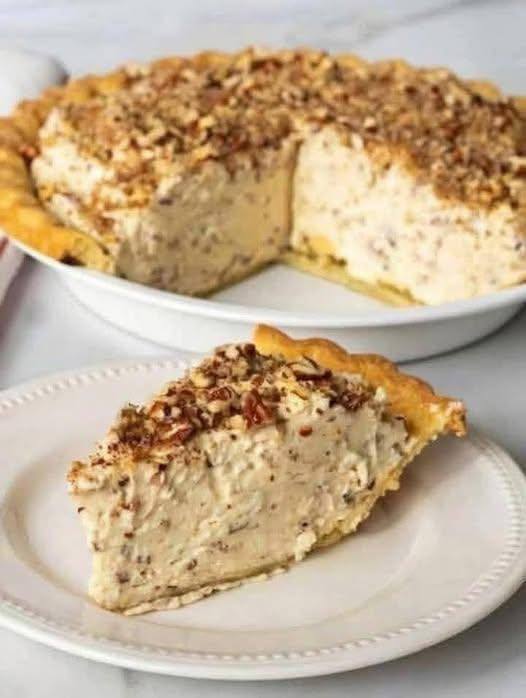
Instructions
- Prepare the Nut Crust: Preheat your oven to 350°F (175°C). In a medium bowl, combine the almond flour, ½ cup finely chopped nuts, melted butter, 2 tablespoons sweetener, cinnamon, and ¼ teaspoon salt. Mix well until the mixture resembles wet sand and holds together when pressed.
- Press the Crust: Press the crust mixture evenly into the bottom and up the sides of a 9-inch pie plate. You can use the bottom of a glass or your fingers to achieve an even layer.
- Blind Bake the Crust: Bake the crust for 10-12 minutes, or until lightly golden brown. Keep a close eye on it to prevent burning, as almond flour can brown quickly. Remove from the oven and set aside to cool slightly while you prepare the filling. Reduce oven temperature to 325°F (160°C).
- Prepare the Creamy Filling: In a large mixing bowl, using an electric mixer, beat the softened cream cheese until smooth and creamy, about 2-3 minutes. Make sure there are no lumps.
- Add Sweetener and Extracts: Gradually add the powdered erythritol/monk fruit sweetener blend to the cream cheese, beating until well combined and smooth. Beat in the vanilla extract and almond extract (if using).
- Incorporate Eggs: Add the eggs one at a time, beating on low speed until just combined after each addition. Be careful not to overmix, as too much air can cause cracks in the cheesecake.
- Fold in Remaining Ingredients: Gently fold in the heavy cream, ¼ cup finely chopped nuts, 2 tablespoons melted butter, and ⅛ teaspoon salt until just incorporated.
- Pour into Crust: Pour the creamy filling into the pre-baked and slightly cooled nut crust. Gently tap the pie plate on the counter a few times to release any air bubbles.
- Bake the Pie: Carefully place the pie plate into the preheated oven (325°F/160°C). Bake for 35-45 minutes, or until the edges are set but the center still has a slight jiggle when gently shaken.
- Cool and Chill: Turn off the oven and prop the oven door open slightly with a wooden spoon. Let the pie cool in the oven for 30 minutes. This slow cooling helps prevent cracks.
- Finish Cooling and Chill: Remove the pie from the oven and let it cool completely on a wire rack at room temperature. Once fully cooled, cover loosely with plastic wrap and refrigerate for at least 4 hours, or preferably overnight, to allow it to set properly.
- Serve and Garnish: Once chilled, slice and serve. Garnish with optional whipped cream, extra chopped nuts, or sugar-free chocolate shavings for an extra touch of decadence.
Cooking Tips and Variations
Achieving that perfect, crack-free, creamy cheesecake takes a little finesse, but with these tips, you’ll be a low-carb cheesecake pro in no time! Firstly, always ensure your cream cheese and eggs are at room temperature. This is absolutely crucial for a smooth, lump-free filling. Cold ingredients don’t emulsify properly, leading to a textured filling. When mixing the cream cheese, beat it thoroughly until it’s completely smooth before adding any other ingredients. This initial step sets the stage for the ultimate creamy texture.
When it comes to adding the eggs, do so one at a time and mix on low speed just until they are incorporated. Overmixing after the eggs are added can introduce too much air into the batter, which expands during baking and then collapses during cooling, leading to unsightly cracks. A gentle hand is key here. For the crust, to prevent sogginess, make sure your melted butter is fully incorporated into the almond flour and nut mixture, and press it firmly and evenly into the pie plate. Blind baking the crust as instructed also creates a barrier against the moisture from the filling.
Don’t skip the slow cooling process in the oven with the door slightly ajar. This gradual temperature change minimizes the shock to the cheesecake, which is a common cause of cracking. Once it’s out of the oven, resist the urge to cut into it immediately. The chilling time is essential for the pie to fully set and for the flavors to meld beautifully. A well-chilled cheesecake is easier to slice cleanly and tastes infinitely better.
Variations:
- Nut Variety: Feel free to experiment with different nuts for the crust and filling. Walnuts offer a slightly more bitter, earthy note, while pecans are sweeter and buttery. You could also try hazelnuts for a distinct flavor profile, or even a mix of your favorite low-carb nuts. Toasting the nuts before chopping and adding them to the crust and filling will deepen their flavor even further.
- Citrus Zest: For a brighter, fresher taste, add 1-2 teaspoons of finely grated lemon or orange zest to the cream cheese filling. Citrus pairs wonderfully with cream cheese and nuts, adding a lovely aromatic lift.
- Spice It Up: Beyond cinnamon, consider adding a pinch of nutmeg, cardamom, or even a tiny dash of ginger to the crust or filling for an extra layer of warmth and complexity. These spices work particularly well during the fall and winter months.
- Chocolate Lover’s Dream: Swirl a small amount of sugar-free melted chocolate (cooled) into a portion of the filling before pouring it into the crust for a marbled effect, or sprinkle sugar-free chocolate chips into the filling.
- Coconut Boost: For a tropical twist, replace a portion of the almond flour in the crust with unsweetened shredded coconut, and add a drop or two of coconut extract to the filling.
- Different Sweeteners: While erythritol or monk fruit blends are recommended for their taste and lack of aftertaste, you can adjust the type and amount of low-carb sweetener to your personal preference. Always taste the filling mixture before adding eggs to ensure the sweetness level is to your liking. Remember that powdered sweeteners dissolve more easily and contribute to a smoother texture.
Storage and Reheating
Proper storage is essential to maintain the freshness, texture, and flavor of your Low-Carb Creamy Nut Cheesecake Pie. Given its dairy-rich filling, this pie must always be stored in the refrigerator.
Once the pie has completely cooled and chilled for the recommended time (at least 4 hours, preferably overnight), cover it loosely with plastic wrap or aluminum foil. If you have a pie carrier, that’s an excellent option to protect it from absorbing other refrigerator odors and to prevent it from being squashed. Store the pie in the coldest part of your refrigerator. It will keep well for up to 5-7 days.
For longer storage, this cheesecake pie freezes beautifully. To freeze, first ensure the pie is fully chilled. You can freeze it whole or in individual slices. For a whole pie, wrap it tightly in several layers of plastic wrap, then an outer layer of aluminum foil. For individual slices, place them on a parchment-lined baking sheet and freeze until solid (about 2-3 hours). Once solid, wrap each slice individually in plastic wrap and then foil, and store them in a freezer-safe airtight container or freezer bag. Frozen, the pie will maintain its quality for up to 1-2 months.
To thaw a frozen pie (whole or slices), transfer it to the refrigerator and let it thaw slowly overnight. Avoid thawing at room temperature, as this can affect the texture and food safety. This pie is best enjoyed chilled, so reheating is generally not recommended as it can alter the creamy consistency of the filling. Simply thaw and serve cold.
Frequently Asked Questions
Can I use a different type of flour for the crust?
For a low-carb and gluten-free crust, almond flour is highly recommended due to its fine texture and neutral flavor. Coconut flour is another low-carb option, but it’s much more absorbent, so you would need significantly less (about 1/3 to 1/2 the amount of almond flour) and possibly more liquid or fat to achieve the right consistency. Substituting with traditional wheat flour would make the pie no longer low-carb or gluten-free, altering the nutritional profile significantly.
Why did my cheesecake crack?
Cracking is a common issue with cheesecakes and usually results from sudden temperature changes or overmixing. Overmixing the batter, especially after adding the eggs, incorporates too much air, which expands during baking and contracts during cooling, causing cracks. Rapid cooling (taking the cheesecake directly from a hot oven to a cold counter) also causes the exterior to cool faster than the interior, leading to stress and cracks. Following the slow cooling method in the oven, as described in the instructions, is key to preventing this.
What low-carb sweeteners work best in this recipe?
Erythritol and monk fruit sweetener blends are generally the best choices for low-carb baking. They provide sweetness without the carb content or glycemic impact of sugar, and they tend to have the least noticeable aftertaste compared to some other artificial sweeteners. For this recipe, using powdered (confectioners’) versions of these sweeteners is recommended for the filling, as they dissolve more easily and contribute to a smoother, lump-free texture. Granulated versions can sometimes leave a slightly gritty texture if not fully dissolved.
Can I make this pie ahead of time?
Absolutely! This Low-Carb Creamy Nut Cheesecake Pie is an excellent make-ahead dessert. In fact, it tastes even better the next day after the flavors have had ample time to meld and the filling has fully set. You can prepare the entire pie up to 2-3 days in advance and store it, covered, in the refrigerator. If you plan to freeze it, follow the freezing instructions mentioned above for longer storage.