Introduction
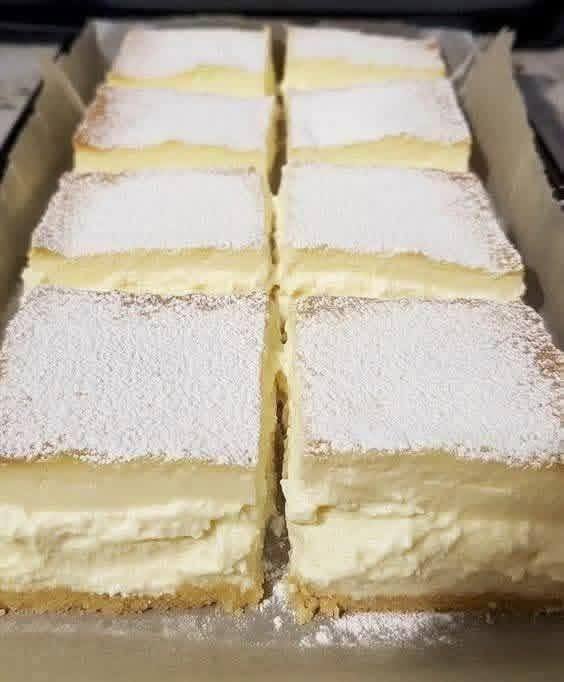
Prepare to be enchanted by the Magic Custard Cake, a dessert that lives up to its whimsical name by performing a culinary feat right in your oven. Imagine a single, simple batter transforming itself during baking into three distinct, delightful layers: a dense, fudgy base, a creamy, luscious custard middle, and a light-as-air, fluffy cake top. This isn’t just a cake; it’s an edible illusion, a testament to the charming alchemy of baking that has captivated dessert lovers for years.
What makes this cake so popular isn’t just its impressive appearance, but also its incredible flavor and surprisingly straightforward preparation. It’s the kind of dessert that elicits gasps of admiration at dinner parties yet requires no advanced pastry skills. The beautiful contrast of textures—a firm foundation, a silken heart, and a tender crown—combined with a rich, sweet, and comforting vanilla flavor, makes every bite an experience. Whether you’re a seasoned baker or a curious beginner, the Magic Custard Cake offers an achievable wow factor, making it perfect for special occasions, cozy evenings, or simply to satisfy a sweet craving.
This European-inspired dessert, often called “gâteau magique” in French, relies on the differing densities of its components to separate gracefully during a low and slow bake. The result is a harmonious blend of textures and tastes, often dusted with a delicate veil of powdered sugar for an elegant finish. Best served chilled, this cake is more than just a sweet treat; it’s a conversation starter, a delightful surprise, and a truly magical addition to any dessert repertoire.
Nutritional Information
Per serving (approximate values, based on 12 servings):
- Calories: 280-320 kcal
- Protein: 7-9g
- Carbohydrates: 30-35g
- Fat: 15-20g
- Fiber: 0-1g
- Sodium: 150-200mg
Ingredients
- 4 large eggs, separated, at room temperature
- 1 cup (200g) granulated sugar
- 1 teaspoon vanilla extract
- 1/2 cup (113g) unsalted butter, melted and cooled
- 3/4 cup (90g) all-purpose flour, sifted
- 2 cups (480ml) milk, warmed (not hot)
- Pinch of salt
- Powdered sugar, for dusting (optional)
Instructions
- Preheat your oven to 325°F (160°C). Grease and flour an 8×8 inch (20×20 cm) square baking pan or a 9-inch round pan. For easier removal, you can also line the bottom with parchment paper, leaving an overhang on two sides.
- Separate the eggs: carefully separate the egg whites from the yolks. Place the egg whites in a clean, dry bowl and the egg yolks in a separate large mixing bowl.
- In the large mixing bowl with the egg yolks, add the granulated sugar and vanilla extract. Whisk vigorously for 3-5 minutes until the mixture is pale yellow and creamy.
- Gradually whisk in the cooled melted butter into the egg yolk mixture until fully combined.
- Add the sifted flour to the egg yolk mixture, incorporating it slowly until just combined. Do not overmix. The batter will be thick at this point.
- Slowly add the warm milk to the batter, a little at a time, whisking constantly until the batter is smooth and resembles a thin pancake batter.
- In the separate bowl, add a pinch of salt to the egg whites. Using an electric mixer, beat the egg whites on high speed until stiff peaks form. Be careful not to overbeat.
- Gently fold about one-third of the beaten egg whites into the thin batter to lighten it. Then, carefully fold in the remaining egg whites, trying to retain as much air as possible. It’s okay if some small clumps of egg white remain; they will help form the top layer. The batter will look thin and somewhat watery with egg white clouds floating on top.
- Carefully pour the entire batter into the prepared baking pan.
- Bake for 50-70 minutes, or until the top is golden brown and set. The cake will still be jiggly in the center when gently shaken; this is normal for the custard layer. The exact baking time can vary depending on your oven.
- Remove the cake from the oven and let it cool completely at room temperature in the pan. This is crucial for the layers to set properly.
- Once cooled, cover the pan with plastic wrap and refrigerate for at least 3-4 hours, or preferably overnight, before slicing and serving.
- Before serving, carefully lift the cake out of the pan using the parchment paper overhangs (if used) or invert onto a serving plate. Dust generously with powdered sugar, if desired.
Cooking Tips and Variations
For the most successful Magic Custard Cake, ensuring your ingredients are at the right temperature is paramount. Make sure your eggs and milk are at room temperature. This helps them combine more smoothly and contributes to better emulsion, which is key for the layers to separate. The milk should be warm, not hot, to prevent scrambling the eggs when added. When beating the egg whites, ensure your bowl and whisk are completely clean and free of any grease, as even a tiny amount can prevent the whites from stiffening properly. Fold the egg whites into the batter gently; the goal is to incorporate them without deflating them too much, as they are crucial for the airy top layer.
Achieving perfect layers also depends on the baking process. A lower oven temperature and a longer baking time allow the cake to cook slowly, giving the different densities of the batter time to settle into their distinct layers. Resist the urge to open the oven door frequently, as sudden temperature drops can affect the setting of the custard. Don’t worry if the cake still seems a bit jiggly in the center when you pull it out of the oven; it will firm up as it cools and chills. In fact, under-baking slightly is better than over-baking, which can dry out the cake and prevent the creamy custard from forming.
Cooling and chilling are perhaps the most critical steps. Allow the cake to cool completely at room temperature in its pan before transferring it to the refrigerator. Then, chill it for a minimum of 3-4 hours, or ideally overnight. This extended chilling period allows the custard layer to fully set and firm up, making it easier to slice cleanly and enhancing its rich, creamy texture. Trying to slice the cake warm will result in a messy, unset custard.
For variations, the vanilla flavor is classic, but you can easily experiment. Add lemon zest to the egg yolk mixture for a bright, citrusy twist. For a chocolate version, reduce the flour by 1/4 cup and add 1/4 cup of unsweetened cocoa powder, sifting it with the flour. You could also swirl in some melted chocolate into the batter before baking. Coconut milk can replace cow’s milk for a tropical flavor, or a tablespoon of espresso powder can be added for a coffee-infused cake. For a hint of spice, a pinch of nutmeg or cardamom can be incorporated. Serve slices with fresh berries, a dollop of whipped cream, or a light fruit coulis to complement its richness.
Storage and Reheating
Magic Custard Cake is best stored in an airtight container in the refrigerator. Due to its custard layer, it needs to be kept cold. It will remain fresh and delicious for 3-5 days when properly stored. While the cake is delicious on subsequent days, the texture of the top cake layer may become slightly denser over time. It is not recommended to freeze this cake, as the custard layer can become watery and separate upon thawing.
This cake is traditionally served chilled, straight from the refrigerator. Reheating is not recommended, as it will alter the delicate, multi-textured structure of the cake, particularly the creamy custard layer, which can become rubbery or separate when warmed. Enjoy it as a refreshing cold dessert.
Frequently Asked Questions
Why didn’t my cake form three distinct layers?
Several factors can prevent the layers from separating. The most common reasons include overmixing the batter after adding the flour or egg whites, which can prevent proper density differences from forming. Ensuring your egg whites are beaten to stiff peaks but not overbeaten is crucial. Also, oven temperature plays a big role; if it’s too high, the cake may set too quickly before the layers have a chance to separate. Make sure your oven thermometer is accurate and bake at the recommended lower temperature for the specified time.
Can I make this cake ahead of time?
Absolutely! In fact, this cake is perfect for making ahead. It requires a long chilling time (at least 3-4 hours, preferably overnight) for the layers to fully set and for the flavors to meld. Preparing it the day before you plan to serve it ensures it’s perfectly chilled and ready for optimal slicing and enjoyment, making it an ideal stress-free dessert for entertaining.
What kind of pan should I use?
An 8×8 inch (20×20 cm) square baking pan or a 9-inch round cake pan works best for this recipe. Using a pan that is too large will result in a thinner cake with less distinct layers, while a pan that is too small might cause the batter to overflow. Lining the bottom of the pan with parchment paper, leaving an overhang on two sides, is highly recommended as it makes removing the delicate cake from the pan much easier after it has chilled.
My cake cracked on top, is that normal?
A few small cracks on the top layer are quite common and perfectly normal for Magic Custard Cake. This can happen as the cake cools and contracts. It doesn’t affect the taste or the internal structure of the layers. A generous dusting of powdered sugar before serving will beautifully mask any minor imperfections and add to its elegant presentation.