Introduction
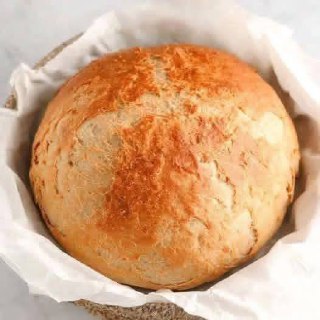
Imagine the aroma of freshly baked bread wafting through your home – that warm, inviting scent that instantly conjures feelings of comfort and nostalgia. Now, imagine achieving that artisanal perfection with minimal effort, no intensive kneading required. Welcome to the magic of No-Knead Artisan Bread, a culinary revelation that has taken the home baking world by storm. This isn’t just any bread; it’s a rustic masterpiece with a gloriously crisp, crackly crust and a wonderfully chewy, open crumb, all born from a remarkably simple process that relies more on time than on elbow grease.
The popularity of no-knead bread stems from its ingenious simplicity. Traditional bread making often intimidates with its demands for vigorous kneading to develop gluten, a technique that requires practice and physical exertion. No-knead bread sidesteps this entirely by employing a long, slow fermentation process. This extended resting period allows the yeast and enzymes to naturally break down the flour’s proteins, forming the gluten structure that gives bread its characteristic chewiness and elasticity. The result is a loaf that tastes like it came from a professional bakery, yet requires only a few minutes of active preparation, making it incredibly accessible for busy individuals, novice bakers, or anyone looking to enjoy homemade bread without the fuss.
What makes this particular recipe truly special is its ability to deliver an authentic artisan experience. The high hydration of the dough, combined with baking in a preheated Dutch oven, creates the perfect environment for achieving that coveted golden-brown crust and a beautiful “oven spring” – the rapid expansion of the loaf in the initial stages of baking. Each slice offers a delightful contrast of textures and a complex, slightly tangy flavor that is far superior to store-bought alternatives. Whether you’re serving it alongside a hearty soup, dipping it in olive oil, or simply slathering it with butter, this No-Knead Artisan Bread is destined to become a staple in your kitchen and a testament to the extraordinary results that can be achieved with just a few basic ingredients and a little patience.
Nutritional Information
Per serving (approximate values):
- Calories: 180
- Protein: 6g
- Carbohydrates: 35g
- Fat: 1g
- Fiber: 2g
- Sodium: 300mg
Ingredients
- 3 cups (360g) all-purpose flour or bread flour
- 1 ½ teaspoons (9g) salt
- ¼ teaspoon (0.75g) instant yeast or active dry yeast
- 1 ½ cups (360ml) lukewarm water (around 100-110°F or 38-43°C)
- Extra flour for dusting
- Parchment paper
Instructions
- In a large mixing bowl, combine the flour, salt, and instant or active dry yeast. If using active dry yeast, you can proof it first by dissolving it in a small amount of the lukewarm water with a pinch of sugar for 5-10 minutes until foamy, then add it to the dry ingredients with the remaining water.
- Pour the lukewarm water into the dry ingredients.
- Using a wooden spoon or a spatula, mix until all the flour is incorporated and a shaggy, sticky dough forms. There’s no need to knead; just ensure there are no dry pockets of flour remaining.
- Cover the bowl tightly with plastic wrap or a damp kitchen towel.
- Let the dough rise at room temperature (ideally 68-75°F or 20-24°C) for a minimum of 12 hours, and preferably 18-24 hours. The longer the fermentation, the more flavor will develop. The dough should have doubled in size, be bubbly, and have a loose, web-like structure.
- Once the fermentation is complete, generously flour a clean work surface.
- Gently scrape the dough out of the bowl onto the floured surface. Avoid deflating it too much.
- Sprinkle a little flour over the top of the dough.
- Using floured hands or a bench scraper, gently fold the edges of the dough towards the center to form a rough ball. Don’t overwork it; just enough to create some surface tension.
- Place a piece of parchment paper (about 12×12 inches) into a proofing basket (banneton) or a bowl lined with a floured kitchen towel.
- Carefully transfer the dough ball, seam-side up, onto the parchment paper in the basket or bowl.
- Cover the dough with a clean kitchen towel and let it rest for another 30 minutes to 1 hour while you preheat your oven and Dutch oven.
- About 30 minutes before you’re ready to bake, place a 5-6 quart Dutch oven with its lid into your oven.
- Preheat the oven to 450°F (232°C). Allow the Dutch oven to preheat for at least 30 minutes to ensure it’s scorching hot.
- Once the oven and Dutch oven are fully preheated, carefully remove the hot Dutch oven from the oven using oven mitts. Be extremely cautious as it will be very hot.
- Remove the lid.
- Carefully lift the dough out of the proofing basket using the parchment paper as a sling and gently lower it into the hot Dutch oven.
- If desired, you can lightly score the top of the dough with a sharp knife or razor blade (a simple “X” or a single slash works well). This helps control where the bread expands.
- Place the lid back on the Dutch oven.
- Bake with the lid on for 30 minutes.
- After 30 minutes, carefully remove the lid from the Dutch oven. The bread should be lightly golden and puffed.
- Continue baking without the lid for another 15-20 minutes, or until the crust is deeply golden brown and sounds hollow when tapped on the bottom. An internal temperature of 200-210°F (93-99°C) indicates it’s fully baked.
- Carefully remove the bread from the Dutch oven using the parchment paper and transfer it to a wire rack.
- Allow the bread to cool completely on the wire rack for at least 1-2 hours before slicing. Slicing too early can result in a gummy interior.
Cooking Tips and Variations
Achieving the perfect No-Knead Artisan Bread is all about understanding a few key principles and being patient. The most crucial tip is to embrace the long fermentation; this isn’t a step to rush. The extended time allows the yeast to work its magic, developing complex flavors and a beautiful gluten structure without any manual kneading. For the best flavor, aim for a 18-24 hour fermentation period. Another vital tip is to use a kitchen scale for measuring flour and water. While cup measurements are provided, volumetric measurements can vary significantly, and precision is key in high-hydration doughs to ensure the correct consistency. Too much flour will result in a dense loaf, and too little will make it too slack to handle.
The Dutch oven is your best friend for this recipe. Ensure it’s thoroughly preheated along with the oven; this initial blast of high heat creates the steam necessary for a crisp, blistered crust and maximum oven spring. Don’t be tempted to open the oven door too frequently during the baking process, especially during the covered phase, as this can release precious steam. When handling the dough, be gentle. After the long rise, the dough will be filled with delicate air bubbles – these are what contribute to the open, airy crumb. Overworking or roughly handling the dough will deflate these bubbles, leading to a denser loaf. Always cool the bread completely on a wire rack before slicing. This allows the internal moisture to redistribute and prevents the crumb from becoming gummy. Slicing warm bread can also make it seem underbaked, even if it’s perfectly cooked.
For variations, you can easily customize your artisan loaf. To increase the whole grain content and add a nuttier flavor, substitute up to 1 cup of the all-purpose flour with whole wheat flour or a good quality rye flour. Be aware that whole grain flours absorb more water, so you might need to add an extra tablespoon or two of water to maintain the dough’s hydration. For savory bread, incorporate up to ½ cup of finely chopped fresh herbs like rosemary or thyme, minced garlic, or shredded cheese (cheddar, Parmesan, or Gruyere work well) during the initial mixing stage. For a seeded loaf, add 2-3 tablespoons of sunflower, pumpkin, flax, or sesame seeds to the dough, or sprinkle them on top before baking. A touch of honey or maple syrup (1-2 tablespoons) can be added to the water for a slightly sweeter crust and flavor profile, though it’s not traditional. Experiment with different types of salt, such as flaky sea salt, for an added textural element on the crust. Finally, if you don’t have a Dutch oven, you can try baking the bread on a baking stone or heavy baking sheet, creating steam by placing a pan of hot water on the bottom rack of the oven, though the results may not be as consistently crisp.
Storage and Reheating
Proper storage is key to maintaining the freshness and texture of your homemade No-Knead Artisan Bread. Once the bread has cooled completely, which is crucial for preventing gumminess, it’s best stored at room temperature. For optimal freshness, place the loaf in a paper bag. This allows the crust to remain crisp while preventing the interior from drying out too quickly. Avoid storing it in an airtight plastic bag or container, as this will trap moisture and cause the crust to soften and potentially become soggy. Stored this way, the bread will stay fresh for 2-3 days. If you prefer a softer crust, you can wrap it loosely in plastic wrap or aluminum foil after the first day.
For longer storage, No-Knead Artisan Bread freezes exceptionally well. Once completely cooled, you can freeze the entire loaf or slice it first for convenience. To freeze the whole loaf, wrap it tightly in plastic wrap, then an additional layer of aluminum foil, ensuring no air pockets. For sliced bread, arrange the slices in a single layer on a baking sheet and freeze until firm, then transfer them to a freezer-safe bag or container, separating layers with parchment paper to prevent sticking. Frozen bread can be stored for up to 3 months. Thaw frozen bread at room temperature, either on the counter for a few hours (for slices) or overnight (for a whole loaf).
To reheat your bread and revive its fresh-baked quality, especially for a whole loaf, preheat your oven to 350°F (175°C). Lightly mist the loaf with water or wrap it in aluminum foil to prevent excessive browning, then bake for 10-15 minutes until warmed through and the crust is crisp again. For individual slices, you can toast them in a toaster, toaster oven, or even a dry skillet on medium heat until golden and warmed. If reheating from frozen, you can place the wrapped loaf directly into a cold oven and then turn it on to 350°F (175°C), baking for 20-30 minutes, or until thawed and crusty. Avoid microwaving bread, as it tends to make it chewy and rubbery.
Frequently Asked Questions
Why is my no-knead bread dense or gummy?
A dense or gummy texture often points to a few common issues. One possibility is not allowing the dough to ferment long enough; the long rise is crucial for gluten development and flavor. Another reason could be insufficient baking time, which leaves too much moisture in the crumb – ensure the internal temperature reaches 200-210°F (93-99°C). Finally, slicing the bread before it has completely cooled can also lead to a gummy interior, as the starches are still setting. Always allow it to cool for at least 1-2 hours.
Can I use whole wheat flour for this recipe?
Yes, you can! While this recipe is designed for all-purpose or bread flour, you can substitute up to 1 cup of the white flour with whole wheat flour for a nuttier flavor and added fiber. Keep in mind that whole wheat flour absorbs more liquid, so you might need to add an extra tablespoon or two of water to achieve the correct dough consistency. The texture might be slightly denser than an all-white flour loaf, but it will still be delicious.
What if I don’t have a Dutch oven?
While a Dutch oven is highly recommended for its ability to trap steam and create a superior crust, you can still bake no-knead bread without one. You’ll need a heavy-bottomed oven-safe pot with a tight-fitting lid that can withstand high temperatures, or a baking stone/heavy baking sheet. If using a baking stone/sheet, you’ll need to create steam in your oven. To do this, place a metal pan (like a cast iron skillet) on the bottom rack of your oven while preheating. When you put the bread in, carefully pour about 1 cup of boiling water into the hot metal pan to create steam, then quickly close the oven door. Be very careful with the steam, as it can cause burns.
My dough isn’t rising. What went wrong?
If your dough isn’t rising, the most likely culprit is inactive yeast. Ensure your yeast is fresh and not expired. If using active dry yeast, proofing it in lukewarm water with a pinch of sugar before adding it to the flour can confirm its activity. Another factor could be the water temperature; water that’s too hot can kill the yeast, while water that’s too cold will inhibit its activity. Aim for lukewarm water around 100-110°F (38-43°C). Finally, an overly cold room temperature can significantly slow down fermentation; try to find a warmer spot for your dough to rise.