Instructions
- Preheat your oven to 350°F (175°C). Grease and flour a 9×5-inch loaf pan, or line with parchment paper, leaving an overhang on the long sides to easily lift the loaf out later.
- Prepare the apples: Peel, core, and finely dice the apples. Toss them in a small bowl with 1 tablespoon of lemon juice to prevent browning. Set aside.
- In a large mixing bowl, whisk together the dry ingredients: flour, granulated sugar, baking powder, baking soda, salt, ground cinnamon, and ground nutmeg. Make sure there are no lumps.
- In a separate medium bowl, whisk together the wet ingredients: melted butter, large egg, buttermilk, and vanilla extract until well combined.
- Pour the wet ingredients into the dry ingredients. Stir with a spatula or wooden spoon until just combined. Be careful not to overmix; a few lumps are okay. Overmixing can lead to a tough loaf.
- Gently fold in the diced apples into the batter until evenly distributed.
- Pour the batter into the prepared loaf pan, spreading it evenly with your spatula.
- Bake for 50-60 minutes, or until a wooden skewer or toothpick inserted into the center of the loaf comes out clean. If the top starts to brown too quickly, you can tent it loosely with aluminum foil for the last 10-15 minutes of baking.
- Once baked, remove the loaf from the oven and let it cool in the pan for 10-15 minutes.
- While the loaf is cooling, prepare the glaze: In a small bowl, whisk together the powdered sugar, 2 tablespoons of milk, and 1/2 teaspoon vanilla extract until smooth. If the glaze is too thick, add more milk a teaspoon at a time until it reaches a pourable consistency. If it’s too thin, add a little more powdered sugar.
- After the loaf has cooled slightly in the pan, carefully lift it out using the parchment paper overhangs (if used) or invert it onto a wire rack to cool completely.
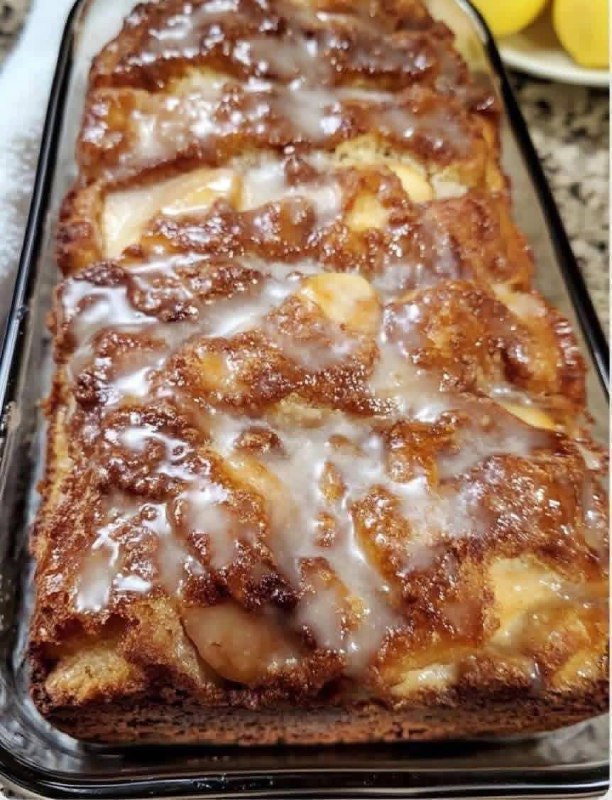
- Once the loaf is completely cool, drizzle the prepared glaze generously over the top, allowing it to drip down the sides.
- Allow the glaze to set for about 15-20 minutes before slicing and serving.
Cooking Tips and Variations
For the best Old-Fashioned Apple Fritter Loaf, selecting the right apples is key. A mix of sweet and tart apples, like Honeycrisp and Granny Smith, offers a more complex flavor profile. Ensure your apples are finely diced; this helps them soften evenly and integrate beautifully into the batter without creating large pockets of moisture. Tossing them with lemon juice isn’t just for preventing browning; it also adds a subtle brightness that complements the sweetness of the loaf. When it comes to mixing the batter, resist the urge to overmix. Quick breads thrive on a light touch. Mix until the dry ingredients are just incorporated; overworking the gluten in the flour can result in a dense, tough loaf rather than the tender crumb we’re aiming for. The buttermilk in the recipe contributes to the loaf’s moistness and tender texture, reacting with the baking soda to create a light lift. If you don’t have buttermilk on hand, a simple homemade substitute of regular milk with a tablespoon of lemon juice or white vinegar, allowed to sit for 5 minutes, works perfectly.
To ensure even baking, make sure your oven is properly preheated. An oven thermometer can be a great tool to verify accuracy. If you notice the top of your loaf browning too quickly before the center is cooked through, a loose tent of aluminum foil can protect it for the remainder of the baking time. Always allow the loaf to cool in the pan for a good 10-15 minutes before transferring it to a wire rack. This allows the loaf to set and firm up, preventing it from breaking apart when removed. And for that perfect glaze, ensure the loaf is completely cool before drizzling. Applying glaze to a warm loaf will cause it to melt and absorb, rather than forming that lovely, slightly crisp exterior.
This recipe is highly adaptable to your tastes. For an extra layer of flavor and texture, consider adding 1/2 cup of chopped walnuts or pecans to the batter along with the apples. A pinch of ground ginger or cardamom can also be added to the spice mix for a more complex aroma. If you’re a fan of a richer, more caramel-like flavor, you can swap out half of the granulated sugar for brown sugar. For a dairy-free version, use a plant-based milk (like almond or oat milk) for the buttermilk substitute (with lemon juice) and a dairy-free butter alternative. You can also experiment with different fruit additions; pears or even a mix of apples and cranberries would be delicious during the holiday season. For a more decadent glaze, a touch of maple extract can be added to the powdered sugar mixture, or even a tablespoon of melted cream cheese for a thicker, tangier frosting.
Storage and Reheating
To keep your Old-Fashioned Apple Fritter Loaf fresh and moist, store it at room temperature in an airtight container. If you have glazed the loaf, make sure the glaze has fully set before placing it in the container to prevent sticking. Stored this way, the loaf will remain fresh for 3-4 days. For longer storage, you can refrigerate the loaf, which will extend its freshness for up to a week. However, refrigeration can sometimes alter the texture slightly, making it a bit firmer. If you choose to refrigerate, wrapping it tightly in plastic wrap before placing it in an airtight container will help maintain moisture.
This apple fritter loaf also freezes beautifully. To freeze, ensure the loaf is completely cooled and the glaze (if applied) is fully set. You can freeze the entire loaf or slice it into individual portions. Wrap the loaf or slices tightly in plastic wrap, then place them in a freezer-safe bag or container. It will keep well in the freezer for up to 3 months. When you’re ready to enjoy, simply thaw the loaf or slices overnight in the refrigerator, or at room temperature for a few hours.
Reheating is simple and brings out the warm, comforting flavors. If you prefer it warm, individual slices can be gently reheated in the microwave for 15-30 seconds, or until just warm. Be careful not to overheat, as this can dry out the loaf. Alternatively, you can reheat slices in a toaster oven at a low temperature (around 250°F / 120°C) for 5-10 minutes, or until warmed through. Reheating the entire loaf is best done in a conventional oven. Wrap the thawed loaf loosely in aluminum foil and bake at 300°F (150°C) for 15-20 minutes, or until heated through. This method helps to retain its moisture and revive that freshly baked aroma. Serve warm with an extra drizzle of glaze, a scoop of vanilla ice cream, or a dollop of whipped cream for an extra special treat.
Frequently Asked Questions
What kind of apples are best for this loaf?
For the best flavor and texture, a mix of sweet and tart apples works wonderfully. Granny Smith apples offer a nice tartness that balances the sweetness of the loaf, while Honeycrisp or Fuji apples provide a good crisp texture and natural sweetness. Avoid overly soft or mealy apples, as they can turn mushy during baking. Firm apples that hold their shape well are ideal.
Can I make this loaf ahead of time?
Absolutely! This Old-Fashioned Apple Fritter Loaf is an excellent make-ahead treat. It tastes fantastic on the day it’s baked, but the flavors often meld and deepen even further by the next day. You can bake it, let it cool completely, glaze it, and then store it at room temperature in an airtight container for up to 3-4 days. It also freezes well for longer storage, making it perfect for meal prepping or preparing for guests.
Why is my loaf dry or crumbly?
A dry or crumbly loaf is often a result of overmixing the batter or overbaking. Overmixing develops the gluten in the flour too much, leading to a tough, dry texture. Mix only until the dry ingredients are just combined. Overbaking also removes too much moisture from the loaf. Start checking for doneness at the lower end of the baking time range, and remove the loaf from the oven as soon as a toothpick inserted into the center comes out clean or with only a few moist crumbs attached.
Can I add nuts or other spices to the recipe?
Yes, this recipe is very forgiving and open to customization! For added crunch and flavor, you can fold in 1/2 cup of chopped walnuts or pecans along with the apples. If you enjoy a more complex spice profile, a pinch of ground ginger, cardamon, or allspice can be added to the dry ingredients along with the cinnamon and nutmeg. Feel free to experiment with your favorite additions to make it your own!