Instructions
- In a large Dutch oven or heavy-bottomed pot, melt the unsalted butter over medium heat.
- Add the finely diced onion and celery to the pot. Sauté for 8-10 minutes, stirring occasionally, until the vegetables are softened and translucent. Be careful not to brown them.
- Add the minced garlic to the pot and cook for another minute until fragrant. Do not let the garlic burn.
- Pour in the chicken or vegetable broth. Add the diced potatoes, dried thyme, black pepper, and salt. Stir everything together.
- Bring the soup to a boil, then reduce the heat to low, cover the pot, and simmer for 15-20 minutes, or until the potatoes are fork-tender.
- Once the potatoes are tender, remove the pot from the heat. For a creamier soup, you can mash some of the potatoes directly in the pot with a potato masher, leaving some chunks for texture. For an even smoother soup, use an immersion blender to blend a portion of the soup until desired consistency is reached. Be careful not to over-blend if you prefer some potato pieces. Alternatively, carefully transfer about half of the soup to a regular blender, blend until smooth, and then return it to the pot.
- In a small bowl, whisk together the whole milk or half-and-half with the 2 tablespoons of all-purpose flour until no lumps remain (if using flour for extra thickness). This step can be skipped if you prefer a thinner soup or are avoiding flour.
- Stir the milk mixture (or just the milk if not using flour) into the soup. Return the pot to low heat and cook for another 5-7 minutes, stirring gently, until the soup has thickened slightly and is heated through. Do not let the soup come to a rolling boil after adding the milk, as it can curdle.
- Taste the soup and adjust seasonings as needed, adding more salt or pepper if desired.
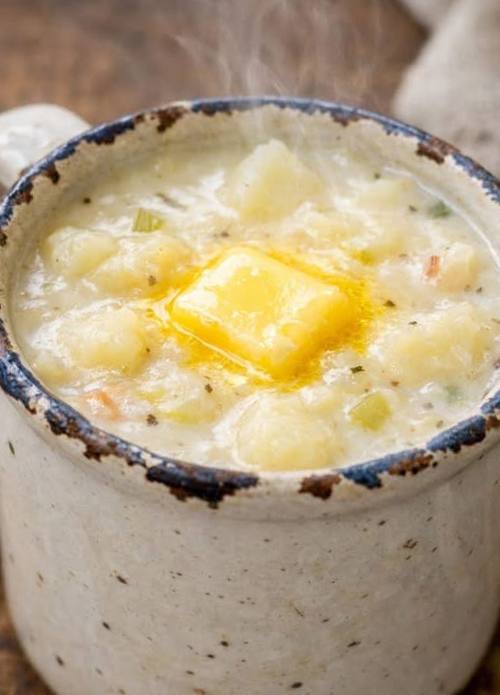
- Ladle the hot Old Fashioned Potato Soup into bowls. Garnish with fresh chopped parsley or chives, and if desired, a small pat of butter on top for extra richness.
- Serve immediately with crusty bread, crackers, or a side salad.
Cooking Tips and Variations
Achieving the perfect Old Fashioned Potato Soup is all about technique and a little bit of personal preference. Here are some tips to ensure your soup is absolutely delicious every time. Firstly, don’t overcook your potatoes. They should be tender enough to mash easily but not so mushy that they disintegrate entirely if you prefer some texture. Using good quality broth is paramount, as it forms the flavor foundation of your soup. A low-sodium chicken or vegetable broth allows you to control the salt content precisely. When it comes to thickening, the flour slurry with milk is a classic method that provides a smooth, rich consistency. If you’re avoiding gluten, a cornstarch slurry (1 tablespoon cornstarch mixed with 2 tablespoons cold water) can be used, added at the same stage. For an extra creamy soup without extra flour, simply blend more of the potatoes. An immersion blender is a fantastic tool for this, allowing you to blend directly in the pot and control the texture from velvety smooth to delightfully chunky.
One of the beauties of this old-fashioned recipe is how easily it can be adapted to suit different tastes and dietary needs. For those who love a bit more protein and flavor, consider adding cooked, crumbled bacon or diced ham towards the end of the cooking process. A sprinkle of shredded cheddar cheese or a dollop of sour cream on top of each serving adds a wonderful richness and tang. To make this soup vegetarian, simply use vegetable broth. For a vegan version, substitute the butter with olive oil or a plant-based butter, and replace the milk or half-and-half with a creamy plant-based milk like unsweetened cashew milk or full-fat coconut milk (be aware coconut milk will impart a slight flavor). You can also add other vegetables to the sautéing step, such as diced carrots or leeks, for added depth and nutrition. Experiment with different herbs beyond thyme; a bay leaf simmered with the potatoes and removed before blending can add a subtle aromatic note, or a pinch of dried rosemary can be lovely. Remember to always taste and adjust seasonings at the end – potatoes can absorb a lot of salt, so don’t be shy about seasoning to perfection.
Storage and Reheating
Old Fashioned Potato Soup makes for excellent leftovers, often tasting even better the next day as the flavors have more time to meld. To store, allow the soup to cool completely to room temperature before transferring it to an airtight container. It can be safely stored in the refrigerator for up to 3-4 days. For longer storage, this soup freezes surprisingly well. Pour the cooled soup into freezer-safe containers or heavy-duty freezer bags, leaving some headspace for expansion. It can be stored in the freezer for up to 2-3 months. When reheating from frozen, it’s best to thaw it in the refrigerator overnight before reheating, though it can also be gently reheated directly from frozen on the stovetop over low heat.
When reheating refrigerated potato soup, the best method is on the stovetop over medium-low heat. Stir frequently to prevent sticking and ensure even heating. You may find that the soup has thickened considerably in the refrigerator, or that the milk has separated slightly. This is normal. To restore the desired consistency, add a splash of milk, cream, or broth while reheating until it reaches your preferred thickness and creaminess. If reheating individual portions, the microwave can be used. Place the soup in a microwave-safe bowl, cover loosely, and heat in 1-minute intervals, stirring between each, until hot. Be careful not to boil it vigorously, especially if it contains dairy, as this can cause it to separate. Always taste and adjust seasonings after reheating, as flavors can sometimes mellow in storage.
Frequently Asked Questions
What kind of potatoes are best for potato soup?
For this Old Fashioned Potato Soup, Yukon Gold or Russet potatoes are highly recommended. Yukon Golds offer a naturally buttery flavor and creamy texture, while Russets break down beautifully to create a thick, starchy base, perfect for a hearty soup. Avoid waxy potatoes like red or new potatoes, as they tend to hold their shape too well and won’t contribute to the soup’s desired creamy consistency.
Can I make this soup in a slow cooker?
Yes, you can adapt this recipe for a slow cooker! Sauté the onions, celery, and garlic in a pan first as directed (this step is crucial for flavor development). Then, transfer the sautéed vegetables to the slow cooker along with the diced potatoes, broth, thyme, salt, and pepper. Cook on low for 6-8 hours or on high for 3-4 hours, or until the potatoes are tender. In the last 30 minutes of cooking, stir in the milk (and flour slurry if using) and continue cooking until heated through and slightly thickened. Finish with the blending step as desired.
How can I make this soup thicker or thinner?
To make the soup thicker, you have a few options. If you’ve blended some of the potatoes, blend a bit more to release additional starch. If you haven’t used the flour slurry yet, prepare it and stir it in, cooking for a few minutes until thickened. You can also make a cornstarch slurry (1 tablespoon cornstarch mixed with 2 tablespoons cold water) and slowly whisk it into the simmering soup until it reaches your desired thickness. To make the soup thinner, simply stir in additional warm broth or milk, a quarter cup at a time, until it reaches your preferred consistency.