Introduction
Step into a world of comforting aromas and cherished memories with our Old-Fashioned Raisin Cake. This isn’t just a dessert; it’s a warm hug in cake form, a culinary journey back to simpler times when homemade treats were a staple and every bite told a story of warmth and care. Imagine a moist, tender cake, generously studded with plump, sweet raisins, and infused with a symphony of warm, inviting spices. It’s the kind of cake that makes your kitchen smell utterly divine, drawing everyone in with its irresistible charm. Perfect for a cozy afternoon tea, a family gathering, or simply a quiet moment of indulgence, this raisin cake embodies the very essence of home baking, delivering a taste of nostalgia with every glorious slice.
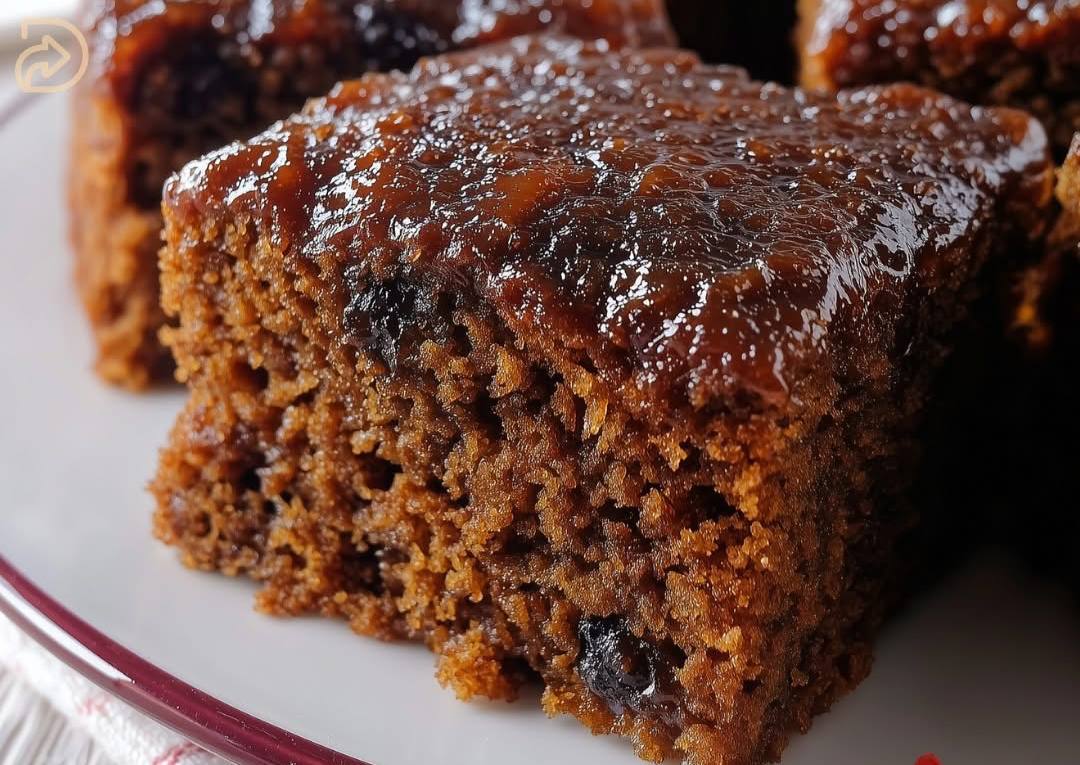
What makes this Old-Fashioned Raisin Cake truly special is its timeless appeal and uncomplicated elegance. Unlike many modern confections, it relies on classic ingredients and straightforward techniques to achieve a profound depth of flavor and a wonderfully satisfying texture. The secret lies in the harmonious blend of warm spices like cinnamon, nutmeg, and possibly a hint of cloves, which perfectly complement the natural sweetness of the raisins. The result is a cake that is rich without being heavy, moist without being dense, and utterly irresistible. Topped with a glistening, caramelly glaze, it not only looks beautiful but also adds another layer of sweet, slightly sticky perfection that melts in your mouth, making each bite an unforgettable experience.
This recipe is a celebration of tradition, designed to bring the comforting taste of yesteryear into your modern kitchen. It’s a testament to the power of simple ingredients combined with a little love and patience. Whether you’re an experienced baker or just starting your culinary journey, you’ll find this Old-Fashioned Raisin Cake a joy to make and an absolute delight to share. It’s more than just a cake; it’s a piece of edible history, a comforting classic that will undoubtedly become a treasured addition to your recipe collection, creating new memories while honoring the old.
Nutritional Information
Per serving (approximate values):
- Calories: 385
- Protein: 4g
- Carbohydrates: 65g
- Fat: 13g
- Fiber: 2g
- Sodium: 280mg
Ingredients
- 2 cups all-purpose flour
- 1 teaspoon baking soda
- 1/2 teaspoon salt
- 1 teaspoon ground cinnamon
- 1/2 teaspoon ground nutmeg
- 1/4 teaspoon ground cloves (optional)
- 1/2 cup (1 stick) unsalted butter, softened
- 1 cup granulated sugar
- 1/2 cup packed light brown sugar
- 2 large eggs
- 1 cup buttermilk (or 1 cup milk mixed with 1 tablespoon lemon juice or white vinegar, let stand 5 minutes)
- 1 1/2 cups dark raisins
- 1 teaspoon vanilla extract
- For the Glaze:
- 1/2 cup packed light brown sugar
- 1/4 cup unsalted butter
- 2 tablespoons milk
- 1/2 teaspoon vanilla extract
- 1 cup powdered sugar, sifted
Instructions
- Preheat your oven to 350°F (175°C). Grease and flour a 9×13 inch baking pan or a 9-inch round springform pan.
- In a medium bowl, whisk together the all-purpose flour, baking soda, salt, ground cinnamon, ground nutmeg, and ground cloves (if using). Set aside.
- In a large mixing bowl, using an electric mixer, cream together the softened butter, granulated sugar, and 1/2 cup packed light brown sugar until light and fluffy, about 2-3 minutes.
- Beat in the eggs one at a time, mixing well after each addition until fully incorporated. Stir in the vanilla extract.
- In a small bowl, toss the raisins with 1 tablespoon of the measured flour mixture from step 2. This helps prevent them from sinking to the bottom of the cake.
- Gradually add the dry ingredients to the wet ingredients in three additions, alternating with the buttermilk, beginning and ending with the dry ingredients. Mix on low speed until just combined after each addition. Be careful not to overmix the batter.
- Gently fold in the flour-coated raisins until evenly distributed throughout the batter.
- Pour the batter into the prepared baking pan and spread evenly.
- Bake for 45-60 minutes, or until a wooden skewer inserted into the center of the cake comes out clean. Baking time may vary depending on your oven and pan size.
- Once baked, remove the cake from the oven and let it cool in the pan on a wire rack for about 10-15 minutes while you prepare the glaze.
- To make the glaze: In a small saucepan, combine 1/2 cup packed light brown sugar, 1/4 cup unsalted butter, and 2 tablespoons milk. Bring to a gentle boil over medium heat, stirring constantly, until the sugar is dissolved and the butter is melted. Remove from heat.
- Stir in 1/2 teaspoon vanilla extract. Gradually whisk in the sifted powdered sugar until the glaze is smooth and free of lumps.
- While the cake is still warm (but not hot), pour the glaze evenly over the top of the cake. The warmth of the cake will help the glaze set beautifully and absorb slightly, creating a glossy, delicious topping.
- Allow the cake to cool completely before slicing and serving, allowing the glaze to fully set.
Cooking Tips and Variations
For the plumpest, most flavorful raisins, consider soaking them before adding them to the batter. You can soak them in hot water for 15-20 minutes, then drain and pat dry. For an extra layer of flavor, try soaking them in hot tea, coffee, or even a spirit like rum or brandy. This not only rehydrates them but also infuses them with a deeper, more complex taste that truly elevates the cake.
One of the most common issues with raisin cakes is the raisins sinking to the bottom. To prevent this, always toss your raisins with a tablespoon of flour (taken from the measured amount for the recipe) before folding them into the batter. This light coating helps them suspend more evenly throughout the cake, ensuring every slice gets its fair share of fruity goodness.
Do not overmix your cake batter! Overmixing develops the gluten in the flour too much, leading to a tough, dry cake. Mix until the ingredients are just combined and no streaks of flour remain. A few small lumps are perfectly fine and often indicate a tender crumb.
The beauty of an old-fashioned cake lies in its adaptability. Feel free to adjust the spice levels to your preference. If you love a stronger spice kick, add a little more cinnamon or nutmeg. For a different twist, incorporate a pinch of ground ginger or allspice. A touch of orange zest can also brighten the flavor profile beautifully.
While the brown sugar glaze is absolutely divine and highly recommended, you can explore other glaze options. A simple powdered sugar glaze made with powdered sugar and milk or lemon juice offers a lighter touch. For a richer topping, a cream cheese frosting would also be delicious, though it moves slightly away from the “old-fashioned” aesthetic. You can also skip the glaze entirely for a simpler, rustic cake.
For an even richer flavor and moisture, some bakers like to substitute a portion of the butter with applesauce or add a mashed ripe banana. This can add subtle fruit notes and keep the cake exceptionally moist without making it dense.
Always ensure your butter and eggs are at room temperature. This allows them to cream together more effectively, creating a smoother emulsion and a lighter, more evenly textured cake. Cold ingredients can result in a lumpy batter and a denser crumb.
To check for doneness, insert a wooden skewer or toothpick into the center of the cake. If it comes out clean with no wet batter, the cake is ready. If it’s still wet, continue baking in 5-minute increments. Be careful not to overbake, as this can dry out the cake.
When applying the glaze, pour it over the cake while it’s still warm but not piping hot. If the cake is too hot, the glaze will melt and run off too quickly. If it’s too cold, the glaze won’t absorb as well and might sit on top rather than creating that lovely slightly absorbed, sticky layer.
Consider baking this cake in a Bundt pan for an elegant presentation. Adjust baking time accordingly, usually a bit longer than a square or round pan, and ensure the pan is thoroughly greased and floured to prevent sticking.
Storage and Reheating
To keep your Old-Fashioned Raisin Cake fresh and moist, store it at room temperature in an airtight container. If you have glazed the cake, placing a piece of parchment paper directly on top of the glazed surface before sealing the container can prevent the glaze from sticking to the lid. Properly stored, the cake will remain fresh and delicious for 3-4 days. For longer storage, you can refrigerate the cake, which will extend its freshness for up to a week, though refrigeration can sometimes alter the texture slightly. If refrigerating, allow the cake to come to room temperature before serving for the best flavor and texture.
This raisin cake also freezes beautifully. To freeze, ensure the cake is completely cooled. If glazed, let the glaze set fully. You can freeze the entire cake or individual slices. For an entire cake, wrap it tightly in several layers of plastic wrap, then an additional layer of aluminum foil. For slices, wrap each slice individually in plastic wrap, then place them in a freezer-safe bag or container. Frozen cake can last for up to 2-3 months. Thaw frozen cake or slices overnight in the refrigerator, or at room temperature for a few hours before serving.
When it comes to reheating, this cake is delightful served at room temperature, but a gently warmed slice can be incredibly comforting, especially on a chilly day. To reheat individual slices, place them on a microwave-safe plate and microwave on high for 15-30 seconds, or until just warm. Be careful not to overheat, as this can dry out the cake. You can also warm slices in a preheated oven at 250°F (120°C) for about 5-10 minutes, covering loosely with foil to prevent drying. This method helps to restore some of the cake’s original texture and aroma, making it feel freshly baked.
Frequently Asked Questions
Can I use different types of raisins or dried fruit?
Absolutely! While dark raisins are traditional for this old-fashioned cake, you can certainly experiment with other varieties. Golden raisins (sultanas) will offer a slightly sweeter, brighter flavor. You could also try a mix of dried cranberries, chopped dried apricots, or even currants for a different fruity twist. Just ensure the total quantity of dried fruit remains the same as the recipe calls for to maintain the correct moisture balance in the cake.
What can I substitute for buttermilk if I don’t have any?
No buttermilk? No problem! You can easily make a homemade substitute. For every 1 cup of buttermilk required, simply pour 1 tablespoon of lemon juice or white vinegar into a liquid measuring cup. Then, fill the rest of the cup with regular milk (any fat percentage will work, but whole milk is best for richness) until it reaches the 1-cup mark. Stir gently and let it sit for about 5-10 minutes until it looks slightly curdled. This acidified milk will react with the baking soda in the recipe, providing the necessary leavening and tenderness.
My cake seems a bit dry. What might have gone wrong?
Several factors can contribute to a dry cake. The most common culprit is overbaking. Keep a close eye on the baking time and rely on the skewer test rather than just the clock. Another reason could be overmixing the batter, which develops the gluten too much and results in a tougher, drier crumb. Using too much flour, or not measuring it correctly (scooping flour directly from the bag can compact it, leading to excess), can also make a cake dry. Ensure your ingredients, especially butter and eggs, are at room temperature for proper emulsification, which contributes to moisture.
Can I make this cake ahead of time for an event?
Yes, this Old-Fashioned Raisin Cake is an excellent choice for making ahead! It actually tastes even better the day after it’s baked, as the flavors have more time to meld and the cake becomes even moister. Bake the cake, allow it to cool completely, apply the glaze, and then store it in an airtight container at room temperature. It will stay fresh and delicious for 2-3 days, making it perfect for preparing in advance for parties, holidays, or simply to enjoy throughout the week.