Introduction
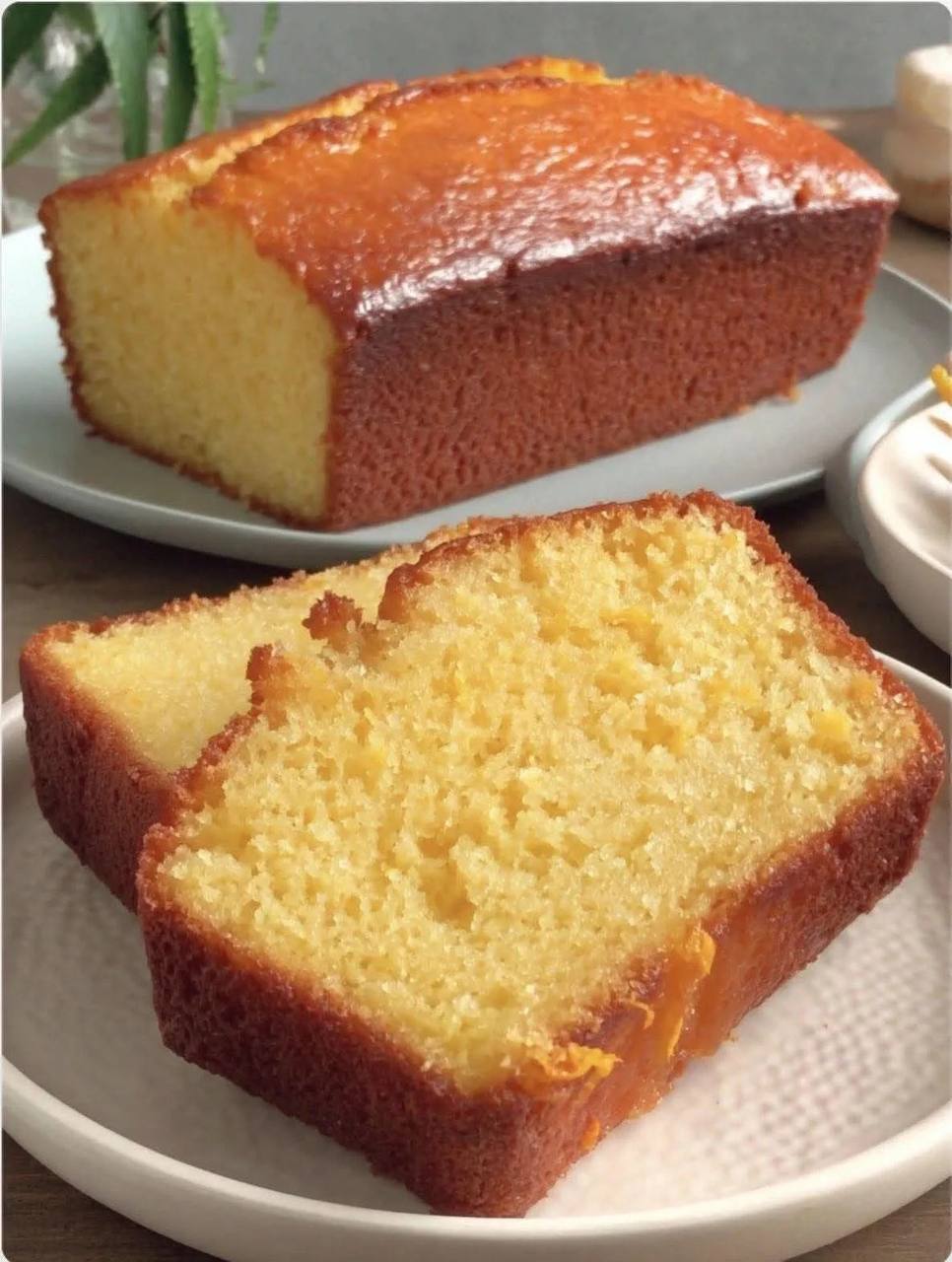
Imagine walking into your kitchen, and the air is filled with the most intoxicating aroma – a bright, sweet, and wonderfully zesty scent that promises pure comfort. That, my friends, is the magic of a freshly baked Orange Loaf Cake. This isn’t just any cake; it’s a moist, tender, and incredibly flavorful treat infused with the sunny essence of fresh oranges, making it an instant classic that appeals to everyone. From its beautiful golden crust to its soft, citrus-kissed crumb, every element of this loaf cake is designed to delight your senses and bring a little sunshine into your day.
What makes the Orange Loaf Cake so universally adored? It’s the perfect balance of simplicity and sophistication. Easy enough for even novice bakers to master, yet it delivers a gourmet experience with every bite. The natural sweetness of the cake is beautifully complemented by the vibrant tang of orange zest and juice, creating a flavor profile that is both refreshing and deeply satisfying. Whether you’re looking for a delightful accompaniment to your morning coffee, a charming addition to a brunch spread, a light and elegant dessert, or simply a comforting snack, this orange loaf cake fits the bill perfectly. It’s a crowd-pleaser that evokes warm memories and creates new ones, proving that sometimes, the simplest pleasures are truly the best.
In this article, we’ll guide you through every step of creating your own perfect Orange Loaf Cake. We’ll cover the essential ingredients, detailed instructions, and crucial tips to ensure your loaf is moist, flavorful, and beautifully risen. Plus, we’ll dive into the art of making that irresistible orange glaze – an optional, but highly recommended, finishing touch that elevates this cake from delicious to absolutely divine. Get ready to fill your home with an aroma that will make mouths water and hearts sing, as we embark on the journey to bake the ultimate Orange Loaf Cake.
Nutritional Information
Per serving (approximate values):
- Calories: 350
- Protein: 4g
- Carbohydrates: 55g
- Fat: 13g
- Fiber: 1g
- Sodium: 250mg
Ingredients
- 1 ½ cups (190g) all-purpose flour
- 1 teaspoon baking powder
- ½ teaspoon baking soda
- ¼ teaspoon salt
- ¾ cup (170g) unsalted butter, softened to room temperature
- 1 cup (200g) granulated sugar
- 2 large eggs, room temperature
- 1 tablespoon orange zest (from 1-2 large oranges)
- ½ cup (120ml) fresh orange juice, divided (¼ cup for cake, ¼ cup for glaze)
- ¼ cup (60ml) buttermilk or whole milk (room temperature)
For the Orange Glaze (Optional but Recommended):
- 1 ½ cups (180g) powdered sugar, sifted
- 2-3 tablespoons fresh orange juice (from the remaining ¼ cup)
- ½ teaspoon orange zest (optional, for extra flavor)
Instructions
- Prepare Your Pan: Preheat your oven to 350°F (175°C). Grease and flour a 9×5-inch loaf pan, or line it with parchment paper, leaving an overhang on the longer sides for easy removal. This ensures your beautiful loaf won’t stick!
- Whisk Dry Ingredients: In a medium bowl, whisk together the all-purpose flour, baking powder, baking soda, and salt. Set aside.
- Cream Butter and Sugar: In a large mixing bowl, using an electric mixer (handheld or stand mixer with paddle attachment), cream the softened unsalted butter and granulated sugar together on medium speed until light, fluffy, and pale in color, about 3-5 minutes. This step is crucial for incorporating air into the batter, which contributes to a tender cake.
- Add Eggs and Zest: Beat in the eggs one at a time, mixing well after each addition until fully incorporated. Scrape down the sides of the bowl as needed. Then, add the 1 tablespoon of orange zest and mix until just combined. The zest provides the most intense citrus flavor, so don’t skimp here!
- Combine Wet Ingredients: In a small bowl or liquid measuring cup, combine ¼ cup of the fresh orange juice with the buttermilk (or whole milk).
- Alternate Dry and Wet: With the mixer on low speed, gradually add the dry ingredients to the butter mixture in three additions, alternating with the wet ingredients (orange juice/buttermilk mixture) in two additions, beginning and ending with the dry ingredients. Mix until just combined after each addition. Be careful not to overmix once the flour is added, as this can develop the gluten too much and result in a tough cake. A few streaks of flour are okay; you’ll finish mixing by hand.
- Finish Mixing: Remove the bowl from the mixer and use a rubber spatula to gently fold in any remaining dry ingredients from the bottom and sides of the bowl, ensuring the batter is just combined.
- Transfer to Pan: Pour the batter evenly into the prepared loaf pan. Smooth the top with the spatula.
- Bake: Bake for 50-65 minutes, or until a wooden skewer or toothpick inserted into the center of the loaf comes out clean. Baking times can vary depending on your oven, so start checking around the 50-minute mark. The top should be golden brown and spring back lightly when touched.
- Cool: Once baked, remove the loaf pan from the oven and let the cake cool in the pan for 10-15 minutes on a wire rack. This allows the cake to set up properly before being handled.
- Remove from Pan: After 10-15 minutes, carefully invert the cake onto the wire rack, then flip it right side up. Allow the cake to cool completely on the wire rack before glazing, unless you prefer a glaze that soaks in more, in which case you can glaze it while it’s still slightly warm.
- Make the Glaze (If Using): In a small bowl, whisk together the sifted powdered sugar, 2 tablespoons of fresh orange juice, and optional ½ teaspoon of orange zest until smooth and pourable. If the glaze is too thick, add more orange juice a teaspoon at a time until desired consistency is reached. If it’s too thin, add a little more powdered sugar.
- Glaze the Cake: Once the cake is completely cool (or slightly warm if you prefer a soaking glaze), drizzle or spread the orange glaze evenly over the top of the loaf. Let the glaze set for about 15-20 minutes before slicing and serving.
- Serve and Enjoy: Slice your beautiful Orange Loaf Cake and savor the bright, zesty flavors!
Cooking Tips and Variations
Achieving the perfect Orange Loaf Cake is all about attention to detail. For the most vibrant flavor, always use freshly squeezed orange juice and plenty of orange zest. Remember to zest only the bright orange part of the peel, avoiding the bitter white pith underneath. Using room temperature ingredients like butter and eggs is crucial; they emulsify better, creating a smoother batter and a more uniform, tender crumb. When mixing, be mindful not to overmix the batter once the flour is added. Overmixing develops gluten, leading to a tough, dense cake instead of a light and airy one. Mix until just combined, with a few streaks of flour remaining, and then finish gently by hand with a spatula. To ensure your loaf bakes evenly and doesn’t stick, properly grease and flour your loaf pan, or line it with parchment paper, leaving an overhang to easily lift the cake out. Always check for doneness using the toothpick test – if it comes out clean, your cake is ready. For the glaze, adjust its consistency to your liking; a thicker glaze will sit on top, while a thinner one will soak in more. Allow the cake to cool slightly but still be warm before glazing if you want the glaze to melt and soak in, or cool completely for a distinct, set glaze layer.
Beyond the classic, this orange loaf cake is wonderfully adaptable! For a richer texture, you could try substituting some of the butter with an equal amount of olive oil, which also enhances the fruit notes. Introduce a delightful crunch by folding in ½ cup of chopped walnuts or pecans into the batter. For a festive touch, add ½ cup of dried cranberries or chopped dates. If you’re a fan of other citrus, feel free to experiment: replace some or all of the orange zest and juice with lemon, lime, or even grapefruit for a different bright flavor profile. A combination of orange and lemon is particularly lovely. Instead of a simple glaze, consider a luscious cream cheese frosting for a more decadent treat. Beat together 4 oz softened cream cheese, 2 tablespoons softened butter, 1 cup powdered sugar, and 1 tablespoon orange juice until smooth. For an extra layer of flavor and moisture, brush the warm cake with a simple syrup made from equal parts sugar and orange juice while it’s still warm in the pan. This will make the cake incredibly moist and flavorful. Finally, for an elegant presentation, garnish the glazed cake with thin slices of candied orange peel or a sprinkle of extra orange zest before serving.
Storage and Reheating
Proper storage is key to keeping your Orange Loaf Cake fresh and delicious. Once the cake has completely cooled and the glaze has set, you can store it at room temperature for up to 3-4 days. The best way to do this is to wrap the entire loaf tightly in plastic wrap, or place individual slices in an airtight container. This prevents the cake from drying out and keeps the glaze intact. If your kitchen is particularly warm or humid, or if your loaf cake contains fresh fruit additions, you might consider storing it in the refrigerator. In the fridge, it will stay fresh for up to a week, though the texture might become slightly firmer. Just be sure to wrap it well to prevent it from absorbing any odors from other foods.
For longer storage, Orange Loaf Cake freezes beautifully. Once the cake is completely cool and the glaze has set, wrap the entire loaf or individual slices tightly in plastic wrap, then wrap again in aluminum foil. This double layer of protection helps prevent freezer burn. Label with the date, and freeze for up to 2-3 months. When you’re ready to enjoy it, simply transfer the frozen cake (still wrapped) to the refrigerator overnight to thaw. For a quicker thaw, you can leave it at room temperature for a few hours. Reheating is generally not necessary, as this cake is delicious at room temperature. However, if you prefer a slightly warm slice, you can gently heat individual slices in the microwave for 10-20 seconds, or in a preheated oven at 300°F (150°C) for about 5-10 minutes, just until warmed through. Be careful not to overheat, as this can dry out the cake. Enjoy your perfectly preserved homemade delight whenever a craving strikes!
Frequently Asked Questions
What kind of oranges are best for this recipe?
For the best flavor and zest, navel oranges or Valencia oranges are highly recommended. They are typically juicy and have a good balance of sweetness and tartness, making them perfect for both the cake and the glaze. Organic oranges are also a great choice, especially since you’ll be using their zest, ensuring no unwanted pesticides on the peel.
My cake came out dry. What went wrong?
A dry cake is usually a sign of overbaking or too much flour. Ensure you measure your flour accurately, preferably by weight using a kitchen scale (1 cup all-purpose flour is approximately 120-125g). Also, be vigilant with baking times; ovens can vary, so start checking for doneness a bit earlier than the recipe suggests using the toothpick test. Overmixing the batter after adding flour can also contribute to a tougher, drier texture, so mix until just combined.
Can I make this dairy-free or gluten-free?
To make this cake dairy-free, you can substitute unsalted butter with a dairy-free butter alternative or a neutral-flavored oil like canola or vegetable oil. Replace buttermilk or milk with a dairy-free milk alternative like almond or oat milk, often with a teaspoon of lemon juice or apple cider vinegar added to mimic buttermilk. For a gluten-free version, use a 1:1 gluten-free all-purpose flour blend that contains xanthan gum. The texture might be slightly different, but it should still be delicious.
How can I prevent the glaze from being too thin or too thick?
The key to perfect glaze consistency is to add the liquid gradually. Always start with the minimum amount of orange juice specified in the glaze recipe, then add more a teaspoon at a time, whisking well after each addition, until you reach your desired pourable consistency. If it accidentally becomes too thin, simply whisk in a little more sifted powdered sugar until it thickens up. Sifting the powdered sugar beforehand also helps prevent lumps and ensures a smooth glaze.