Introduction
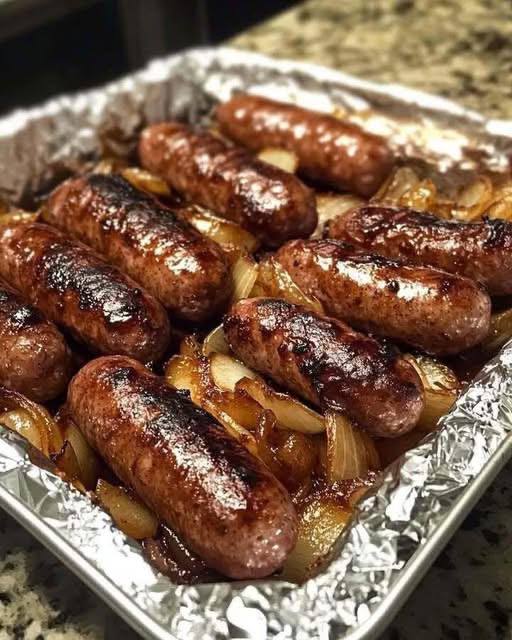
Imagine a dish that effortlessly combines savory, juicy sausages with the sweet, tender embrace of deeply caramelized onions, all magically created in a single pan within the comforting warmth of your oven. That, my friends, is the culinary dream we’re making a reality today with our Oven-Baked Sausages with Caramelised Onions. This isn’t just a recipe; it’s an invitation to elevate your weeknight dinners, simplify your meal prep, and impress your guests with minimal effort.
This dish is a testament to the power of simple ingredients working in harmony. The robust flavor of good quality sausages, whether they’re classic pork, spicy Italian, or even a leaner chicken variety, finds its perfect counterpart in the rich, almost jam-like sweetness of slow-cooked onions. The oven does most of the heavy lifting, transforming humble ingredients into a golden-brown masterpiece that’s bursting with flavor and comforting appeal. It’s the kind of meal that makes everyone gather around the table, eager for seconds, and leaves you with the pleasant satisfaction of an accomplished cook.
From busy weeknights when time is a luxury to cozy weekend gatherings where good food is paramount, this oven-baked wonder fits every occasion. It’s incredibly versatile, pairing beautifully with a myriad of sides, and promises an easy cleanup thanks to its one-pan nature. Get ready to discover your new go-to recipe for a hearty, flavorful, and wonderfully unfussy meal that delivers maximum deliciousness with minimal fuss.
Nutritional Information
Per serving (approximate values):
- Calories: 550
- Protein: 35g
- Carbohydrates: 25g
- Fat: 35g
- Fiber: 4g
- Sodium: 980mg
Ingredients
- 6-8 (about 1.5 lbs) good quality sausages (pork, Italian, chicken, or beef)
- 3 large yellow onions, thinly sliced
- 2 tablespoons olive oil
- 1 teaspoon salt
- 1/2 teaspoon black pepper
- 1 tablespoon brown sugar (optional, for deeper caramelization)
- 1 tablespoon balsamic vinegar (optional, for richness)
- 1 teaspoon dried thyme or fresh thyme sprigs (optional)
- 1/2 cup chicken or vegetable broth (optional, for a little sauce)
Instructions
- Preheat your oven to 400°F (200°C). Line a large baking sheet or roasting pan with aluminum foil for easier cleanup.
- Prepare the onions: In a large bowl, combine the thinly sliced onions with olive oil, salt, pepper, and the optional brown sugar and dried thyme (if using). Toss well to ensure the onions are evenly coated.
- Spread the seasoned onions in a single layer on the prepared baking sheet. This ensures they roast and caramelize rather than steam.
- Nestle the sausages among the onions on the baking sheet. Make sure they have a little space around them for even browning.
- Bake for 20 minutes.
- After 20 minutes, remove the baking sheet from the oven. Carefully flip the sausages and stir the onions to ensure even caramelization. If using fresh thyme sprigs, add them now.
- Return the baking sheet to the oven and continue baking for another 20-30 minutes, or until the sausages are cooked through (internal temperature of 160°F/71°C for pork/beef) and nicely browned, and the onions are deeply caramelized and tender.
- For an extra crispy finish on the sausages, you can switch the oven to broil for the last 3-5 minutes, watching carefully to prevent burning.
- If desired, remove the baking sheet from the oven and carefully drizzle with balsamic vinegar and add the chicken or vegetable broth. Stir gently to combine with the onions and any pan juices, scraping up any delicious browned bits from the bottom of the pan. This creates a light, flavorful sauce.
- Let the dish rest for 5 minutes before serving. This allows the sausages to reabsorb their juices, making them even more tender and flavorful.
Cooking Tips and Variations
To achieve truly spectacular Oven-Baked Sausages with Caramelised Onions, a few insider tips and creative variations can make all the difference. First and foremost, the quality of your ingredients matters. Invest in good sausages; whether you prefer classic pork, spicy Italian, or a leaner chicken sausage, choose a brand you trust. For the onions, uniform slicing is key for even caramelization. Use a mandoline if you have one, or simply take your time with a sharp knife to get consistent, thin slices.
For the best caramelization, avoid overcrowding your baking sheet. If you’re cooking a large batch, use two sheets to ensure the ingredients roast rather than steam. This allows the onions to develop that deep, sweet flavor and the sausages to brown beautifully. A little bit of brown sugar or a splash of balsamic vinegar added to the onions before baking can significantly enhance their caramelization, adding layers of sweet and tangy complexity. Don’t be afraid to stir the onions periodically throughout the cooking process to ensure they brown evenly.
To elevate the flavor profile, consider adding aromatic herbs like fresh thyme or rosemary directly to the pan with the onions. A few cloves of smashed garlic tossed in during the last 15-20 minutes of baking will also infuse the dish with a wonderful aroma and taste. For a richer, slightly saucier finish, a splash of chicken broth, white wine, or even beer can be added to the pan during the last 10 minutes of cooking. This liquid helps deglaze the pan, incorporating all those delicious browned bits into a flavorful sauce.
This recipe is incredibly versatile. For a complete sheet pan meal, add sturdy vegetables like chopped bell peppers, potato wedges, or carrot chunks alongside the sausages and onions. Just ensure they are cut into similar sizes for even cooking. For a spicy kick, a pinch of red pepper flakes can be added to the onions, or serve with a dash of hot sauce. A drizzle of honey or maple syrup towards the end of cooking can also add another dimension of sweetness. Before serving, a sprinkle of fresh parsley or chives adds a touch of color and freshness.
Storage and Reheating
This Oven-Baked Sausages with Caramelised Onions dish makes for fantastic leftovers, perfect for meal prepping or enjoying throughout the week. To store, allow the cooked sausages and onions to cool completely to room temperature. Once cooled, transfer them to an airtight container. They will keep well in the refrigerator for up to 3-4 days. For longer storage, you can freeze the cooked dish. Place the cooled sausages and onions in a freezer-safe bag or container and freeze for up to 2-3 months. Thaw overnight in the refrigerator before reheating.
When it comes to reheating, you have a few excellent options to ensure the dish tastes as good as freshly made. The oven is usually the best method for retaining texture. Preheat your oven to 350°F (175°C). Spread the sausages and onions in a single layer on a baking sheet, you might want to add a tablespoon or two of water or broth to prevent drying out. Heat for 15-20 minutes, or until thoroughly heated through and the sausages are slightly crispy again. If reheating from frozen, it may take 30-40 minutes.
Alternatively, for a quicker reheat, you can use the stovetop. Place the sausages and onions in a skillet over medium heat. Add a splash of water or broth to create a little steam and prevent sticking. Cover and heat, stirring occasionally, until warmed through, about 7-10 minutes. The microwave can also be used for convenience, though it may result in a slightly softer texture for the sausages. Heat in 1-minute intervals, stirring in between, until hot. Regardless of the method, ensure the food is piping hot before serving.
Frequently Asked Questions
Can I use pre-cooked sausages for this recipe?
While this recipe is designed for fresh, uncooked sausages to allow them to brown and release their juices into the onions, you can absolutely use pre-cooked sausages. If using pre-cooked sausages, reduce the initial baking time to about 15-20 minutes, just enough to heat them through and allow the onions to start caramelizing. Then, proceed with the recipe as directed, ensuring everything is heated through and the onions are deeply caramelized. You may want to add a little extra olive oil to the pan if the pre-cooked sausages don’t render much fat.
What’s the best way to prevent the onions from burning while caramelizing?
The key to perfectly caramelized onions without burning is a combination of proper temperature and regular stirring. Ensure your oven isn’t too hot; 400°F (200°C) is ideal for this dish. Spreading the onions in a single layer on the baking sheet is crucial to promote roasting over steaming. Most importantly, stir the onions every 15-20 minutes during cooking. This redistributes them, ensuring even browning and preventing any one spot from getting too dark. If you notice them browning too quickly, you can reduce the oven temperature slightly or loosely cover the pan with foil for a portion of the cooking time.
Can I add other vegetables to this dish?
Absolutely! This recipe is incredibly versatile and lends itself beautifully to adding other vegetables for a more complete sheet pan meal. Sturdy vegetables that can withstand longer roasting times work best. Great additions include bell peppers (sliced), potato wedges or small cubes, carrots (sliced or in chunks), parsnips, or even Brussels sprouts. Add them to the baking sheet along with the onions, ensuring everything is in a single layer for optimal roasting. You might need to adjust the cooking time slightly depending on the density and size of the added vegetables, ensuring they are tender and cooked through.
What are some good serving suggestions for this dish?
Oven-Baked Sausages with Caramelised Onions is a wonderfully hearty and flavorful dish that pairs well with a variety of sides. For a classic comfort food experience, serve it alongside creamy mashed potatoes or polenta, which will beautifully soak up all the delicious pan juices. A simple crusty bread is also an excellent choice for dipping. For a lighter accompaniment, a fresh green salad with a tangy vinaigrette provides a nice contrast to the richness of the main dish. You can also turn it into a satisfying sandwich by piling the sausages and onions into a toasted sub roll with a sprinkle of cheese. It’s also excellent with rice, couscous, or even roasted vegetables like asparagus or green beans.