Introduction
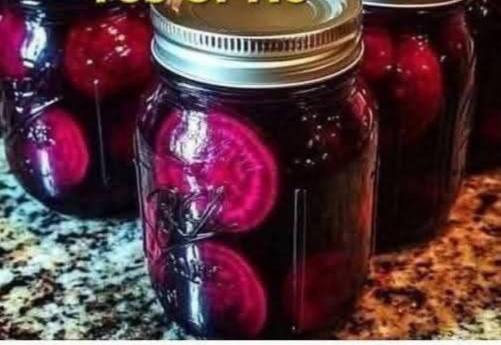
Step into a world of vibrant color and tantalizing flavor with homemade pickled beets! These ruby-red jewels are a classic staple, beloved for their unique balance of earthy sweetness and tangy zest. Far from being just a side dish, pickled beets elevate any meal, offering a refreshing pop of flavor that cuts through richness and brightens up even the simplest plates. Whether you’re a seasoned canner or a curious beginner, this recipe unlocks the joy of preserving nature’s bounty, transforming humble beets into a culinary delight that’s both easy to make and incredibly rewarding.
The magic of pickled beets lies in their remarkable versatility and the satisfying crunch they bring to every bite. Imagine them gracing a vibrant salad, tucked into a hearty sandwich, or served alongside roasted meats to add a welcome counterpoint. They’re also a fantastic addition to charcuterie boards, adding a burst of color and a sophisticated tang. Beyond their deliciousness, making your own pickled beets means you control the ingredients, ensuring no artificial preservatives and the freshest, most vibrant flavors possible. Get ready to impress your taste buds and your guests with this timeless and irresistible treat!
Nutritional Information
Per serving (approximate values, based on 1/2 cup):
- Calories: 100
- Protein: 2g
- Carbohydrates: 25g
- Fat: 0.5g
- Fiber: 3g
- Sodium: 280mg
Ingredients
- 3 pounds fresh medium beets, tops and roots trimmed
- 2 cups white vinegar (5% acidity)
- 1 cup water
- 1/2 cup granulated sugar (adjust to taste for sweeter or tarter beets)
- 1 tablespoon canning salt (non-iodized)
- 1 teaspoon whole black peppercorns
- 6-8 whole cloves
- 2 bay leaves
- Optional: 1/2 teaspoon mustard seeds, 1/4 teaspoon red pepper flakes for a little kick
Instructions
- Prepare the Beets: Wash the beets thoroughly, scrubbing off any dirt. Leave a small portion of the stem and the taproot intact to prevent excessive bleeding of color during cooking.
- Cook the Beets: Place the whole, unpeeled beets in a large pot and cover them with water. Bring to a boil, then reduce heat and simmer until the beets are fork-tender. This usually takes 30-60 minutes, depending on the size of the beets. Alternatively, you can roast them: preheat oven to 400°F (200°C), wrap beets individually in foil, and roast for 45-75 minutes until tender.
- Cool and Peel: Once cooked, drain the beets and let them cool enough to handle. The skins should slip off easily under cool running water or with gentle rubbing. Wearing gloves is highly recommended to prevent staining your hands. Trim off the remaining stem and root ends.
- Slice the Beets: Slice the peeled beets into 1/4-inch thick rounds, or cut them into chunks or wedges, as desired.
- Prepare Canning Jars: While the beets are cooking, wash four pint-sized (or two quart-sized) canning jars, lids, and bands in hot, soapy water. Rinse well. Sterilize the jars by either boiling them in a large pot of water for 10 minutes, running them through a dishwasher’s sanitize cycle, or heating them in a 225°F (107°C) oven for 10 minutes. Keep jars hot until ready to fill. Set aside the flat lids and screw bands.
- Make the Brine: In a medium saucepan, combine the white vinegar, water, granulated sugar, canning salt, whole black peppercorns, whole cloves, and bay leaves (and optional mustard seeds or red pepper flakes). Bring the mixture to a rolling boil over medium-high heat, stirring until the sugar and salt are fully dissolved. Reduce heat and keep the brine hot.
- Pack the Jars: Carefully pack the sliced or chunked beets tightly into the hot, sterilized jars, leaving about 1/2 inch of headspace from the rim.
- Pour in Brine: Ladle the hot pickling brine over the beets in each jar, ensuring the beets are completely submerged. Maintain the 1/2-inch headspace. You can distribute the spices from the brine evenly among the jars.
- Remove Air Bubbles: Use a non-metallic utensil (like a plastic chopstick or rubber spatula) to gently remove any air bubbles trapped between the beets. Add more hot brine if necessary to maintain the 1/2-inch headspace.
- Seal the Jars: Wipe the rims of the jars clean with a damp cloth. Center the hot flat lids on top of the jars and then screw on the bands until fingertip-tight (just until you feel resistance, then a tiny bit more). Do not overtighten.
- Process (Optional for Shelf Stability): If you plan to store these at room temperature for an extended period, process them in a boiling water canner. Place the sealed jars into a large canning pot filled with enough boiling water to cover the jars by at least 1 inch. Bring the water back to a rolling boil and process pint jars for 30 minutes, or quart jars for 35 minutes (adjusting for altitude if necessary).
- Cool and Store: Carefully remove the jars from the canner and place them on a wire rack or a towel-lined counter, ensuring they are not touching each other. Let them cool undisturbed for 12-24 hours. You should hear a “ping” sound as the lids seal. Check for seals by pressing the center of each lid – if it doesn’t flex, it’s sealed.
- Label and Store: Once cooled and sealed, remove the screw bands (these can trap moisture and rust) and wipe down the jars. Label with the date and store in a cool, dark place. Unsealed jars should be refrigerated and consumed within a few weeks.
- Enjoy: For the best flavor, allow the pickled beets to cure for at least 1-2 weeks before opening. This allows the flavors to fully meld and deepen.
Cooking Tips and Variations
Choosing the Best Beets: Select firm, blemish-free beets with fresh-looking greens (if attached). Smaller to medium-sized beets tend to be more tender and sweeter. Avoid beets that are soft or shriveled.
Preventing Stains: Beet juice is a powerful dye! Always wear gloves when handling cooked, peeled, or sliced beets. Protect your countertops with newspaper or a cutting board you don’t mind staining. If you do get beet juice on your hands, lemon juice or baking soda paste can help remove it.
Cooking Beets Perfectly: Don’t overcook your beets; they should be tender enough to pierce with a fork but still have a slight firmness. Mushy beets will result in mushy pickled beets. Roasting beets (wrapped in foil at 400°F/200°C for 45-75 minutes) can deepen their flavor, adding a lovely sweetness before pickling.
Achieving Optimal Flavor: While you can eat them right away, the true magic of pickled beets unfolds over time. Allowing them to cure in the brine for at least 1-2 weeks (or even longer) before eating will significantly enhance their flavor profile, letting the spices and tang fully penetrate the beets.
Adjusting Sweetness and Tang: This recipe provides a balanced sweet and tangy flavor. If you prefer a sweeter pickle, increase the sugar by 1/4 to 1/2 cup. For a tarter pickle, slightly reduce the sugar or increase the vinegar by a 1/4 cup.
Spice It Up: Feel free to experiment with the spices! Add a few sprigs of fresh dill to each jar for a classic dill pickled beet. A clove of garlic, thinly sliced, or a few slices of fresh onion can add another layer of savory flavor. Other great additions include a cinnamon stick, a few star anise pods, or even a pinch of dried chili flakes for a spicy kick.
Vinegar Varieties: While white vinegar is standard for a clean, bright flavor, you can experiment with other vinegars. Apple cider vinegar will lend a slightly fruitier, mellower tang. Red wine vinegar can deepen the color and add a more robust flavor, but use it sparingly as it can be quite strong.
Cutting Styles: Instead of rounds, try cutting your beets into small cubes for salads or into elegant wedges. You can also use a crinkle cutter for a decorative edge.
Scaling the Recipe: This recipe is easily scalable. Simply adjust the quantities of beets, brine ingredients, and jars proportionally based on how many beets you have available.
Sterilization is Key: For shelf-stable canning, proper sterilization of jars and lids is crucial to prevent spoilage. Follow the instructions carefully for safe preservation.
Headspace Matters: Maintaining the correct 1/2-inch headspace is vital. Too little headspace can cause the lid to buckle during processing, and too much can prevent a proper seal.
Don’t Overtighten Bands: Screw the bands “fingertip tight” only. Overtightening can prevent air from escaping during processing, leading to seal failure.
Storage and Reheating
Storage for Shelf-Stable Jars: Properly processed and sealed jars of pickled beets can be stored in a cool, dark place (like a pantry) for up to 1 year. Once a jar is opened, it must be refrigerated and consumed within 2-3 weeks.
Storage for Unprocessed Jars: If you choose not to water-bath process your pickled beets, they are considered “refrigerator pickles.” These must be stored in the refrigerator immediately after cooling and will last for about 2-3 months. Ensure the lids are tightly sealed.
Checking for Spoilage: Before consuming, always check for signs of spoilage. Discard any jars with bulging lids, leaks, an off odor, or visible mold. The brine should be clear, and the beets should retain their vibrant color and firm texture.
Serving Temperature: Pickled beets are best served chilled or at room temperature. They do not require reheating and are typically enjoyed cold as a side dish, condiment, or salad ingredient.
Using Leftover Brine: Don’t discard that flavorful brine! It can be repurposed as a salad dressing base, a marinade for chicken or fish, or even to quick-pickle other vegetables like onions or cucumbers (though these will not be shelf-stable and must be refrigerated).
Frequently Asked Questions
Can I use any type of beet for pickling?
Yes, you can use various types of beets, but red beets are most commonly used for their vibrant color and classic flavor. Golden beets can also be pickled, offering a milder flavor and preventing the “bleeding” effect if you prefer a less colorful brine. Chioggia (candy stripe) beets are beautiful but tend to lose their striped pattern during cooking and pickling.
Why did my beets lose their color in the brine?
It’s normal for some of the beet pigment to leach into the pickling liquid, giving the brine its characteristic red hue. If your beets have lost a significant amount of their deep color, it might be due to overcooking them initially, which can break down the color compounds. Also, using older, less vibrant beets can sometimes result in paler pickled beets.
Do I have to water bath can these pickled beets?
No, you don’t absolutely have to water bath can them, but it’s essential to understand the difference. If you skip the water bath processing, your pickled beets are considered “refrigerator pickles” and must be stored in the refrigerator. They will last for about 2-3 months. Water bath canning creates a vacuum seal and makes them shelf-stable, allowing them to be stored in a pantry for up to a year.
What if my lids don’t seal after canning?
If some of your jar lids don’t seal after the cooling period (the lid will flex when pressed), don’t worry! These jars are not shelf-stable. Simply place them in the refrigerator and consume their contents within 2-3 weeks, treating them as refrigerator pickles. Common reasons for seal failure include dirty jar rims, overfilling/underfilling the jars, overtightening the bands, or cracks in the jar or lid. Always double-check your technique for future canning batches.