Instructions
- Preheat your oven to 400°F (200°C). Line a large baking sheet with parchment paper for easier cleanup.
- In a very large mixing bowl, combine the chopped carrots, potatoes, zucchini, red onion, and cherry tomatoes. These are your foundational vegetables, and cutting them into similar-sized pieces ensures even cooking.
- Add the minced garlic, chopped fresh rosemary, dried oregano (if using), salt, black pepper, and red pepper flakes (if using) to the vegetables in the bowl.
- Drizzle the 3 tablespoons of olive oil over the vegetables and seasonings. Toss everything together thoroughly with your hands or a large spoon until all the vegetables are evenly coated. This step is crucial for achieving that delicious roasted flavor and slightly crisp exterior.
- Spread the seasoned vegetables in a single layer on the prepared baking sheet. It’s important not to overcrowd the pan; if necessary, use two baking sheets to ensure the vegetables roast rather than steam. Overcrowding can lead to soggy results.
- Roast for 20 minutes.
- After 20 minutes, remove the baking sheet from the oven. Add the rinsed and drained cannellini beans to the baking sheet with the vegetables. Gently toss everything together right on the pan. The beans will absorb some of the delicious pan juices and warm through.
- Return the baking sheet to the oven and continue roasting for another 15-20 minutes, or until the vegetables are tender-crisp and slightly caramelized, and the beans are heated through. The potatoes should be easily pierced with a fork, and the cherry tomatoes should have burst slightly.
- Once cooked, carefully remove the baking sheet from the oven. Taste and adjust seasonings if needed.
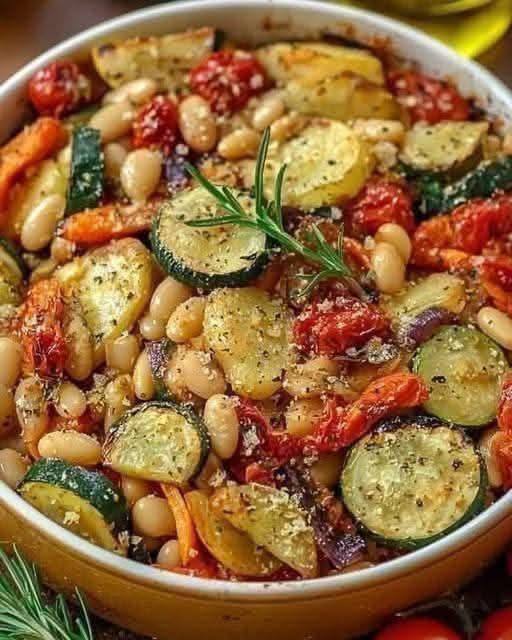
- Serve hot, either straight from the pan or transferred to a serving platter. Garnish with a fresh sprig of rosemary or a sprinkle of freshly grated Parmesan cheese, and a final drizzle of good quality olive oil if desired.
Cooking Tips and Variations
Achieving perfectly roasted vegetables is an art, but one that’s easily mastered with a few key tips. Firstly, always ensure your vegetables are cut into roughly the same size. This promotes even cooking, preventing some pieces from being undercooked while others are burnt. For this recipe, 1-inch pieces are ideal. Secondly, don’t overcrowd your baking sheet. Vegetables need space to breathe and brown properly. If they’re too close together, they’ll steam instead of roast, leading to a less desirable texture. Use two baking sheets if necessary to give everything ample room.
For an extra layer of flavor, consider marinating your vegetables for 30 minutes to an hour before roasting. A simple marinade of olive oil, lemon juice, more herbs, and a touch of balsamic vinegar can elevate the dish. If you love a bit of heat, increase the red pepper flakes or add a pinch of smoked paprika for a smoky depth. A squeeze of fresh lemon juice over the finished bake brightens all the flavors beautifully.
This recipe is incredibly adaptable. Feel free to swap out vegetables based on what’s in season or what you have on hand. Bell peppers (any color), broccoli florets, cauliflower florets, butternut squash, or sweet potatoes would all be excellent additions or substitutions. If you prefer other beans, chickpeas or kidney beans work just as well. For a non-vegetarian option, you can roast chicken sausages, sliced chicken breast, or even crumbled feta cheese alongside the vegetables for the last 15-20 minutes of cooking.
To enhance the herb profile, experiment with fresh thyme or sage instead of, or in addition to, rosemary. A sprinkle of nutritional yeast can mimic a cheesy flavor for a vegan option. If you’re looking for a different texture, try adding some croutons or toasted breadcrumbs during the last 10 minutes of baking for a delightful crunch.
Storage and Reheating
This Rustic Roasted Vegetable and Cannellini Bean Bake is a fantastic dish for meal prepping or enjoying leftovers, as the flavors tend to meld and deepen overnight. To store, allow the bake to cool completely to room temperature. Transfer the cooled leftovers to an airtight container. It will keep well in the refrigerator for up to 3-4 days. For best quality, try to consume it within this timeframe. While you can freeze roasted vegetables, the texture of some, like zucchini and tomatoes, can become a bit watery or mushy upon thawing. However, if you don’t mind a slight change in texture, you can freeze individual portions in freezer-safe containers for up to 2-3 months. Thaw overnight in the refrigerator before reheating.
When reheating, the goal is to warm it through without overcooking the vegetables or drying out the beans. For best results, we recommend reheating in the oven. Preheat your oven to 350°F (175°C). Spread the leftovers in a single layer on a baking sheet, perhaps with a splash of water or vegetable broth to prevent drying. Heat for 10-15 minutes, or until warmed through. Alternatively, you can reheat smaller portions in the microwave. Place the desired amount in a microwave-safe dish, cover loosely, and heat on medium power for 1-2 minutes, stirring halfway through, until hot. Be mindful that microwave reheating might alter the texture slightly, making the vegetables less crisp.
Frequently Asked Questions
Can I prepare this dish ahead of time?
Yes, you absolutely can! To save time, you can chop all the vegetables a day in advance and store them in an airtight container in the refrigerator. You can also mix the vegetables with the olive oil and seasonings ahead of time, but for the best texture, we recommend adding the beans just before roasting to prevent them from becoming too soft. This makes the final assembly and cooking process incredibly quick and easy.
Is this recipe suitable for a vegan diet?
Yes, this recipe is naturally vegan as written! All the ingredients are plant-based. If you choose to add Parmesan cheese as a garnish, simply omit it or use a vegan Parmesan alternative to keep the dish fully vegan. It’s a fantastic and flavorful option for anyone following a plant-based diet.
What can I serve with this bake?
This versatile bake can be enjoyed in many ways. As a main course, it pairs wonderfully with a simple green salad dressed with a light vinaigrette, or alongside some crusty bread for dipping into the flavorful juices. For those who aren’t vegetarian, it makes an excellent side dish for grilled chicken, baked fish, or even roasted pork tenderloin. It’s also delicious topped with a fried egg for a hearty breakfast or brunch!
How do I prevent my roasted vegetables from becoming soggy?
The key to crisp, non-soggy roasted vegetables lies in a few critical steps. First, ensure your oven is preheated to a high temperature (400°F/200°C) before you put the vegetables in. Second, make sure the vegetables are dry before tossing them with oil – excess moisture causes steaming. Third, and most importantly, do not overcrowd your baking sheet. Vegetables need space to allow moisture to evaporate and edges to caramelize. If the pan is too full, they will steam instead of roast. Using a single layer and possibly two baking sheets will guarantee perfectly roasted, crisp-tender results.