Introduction
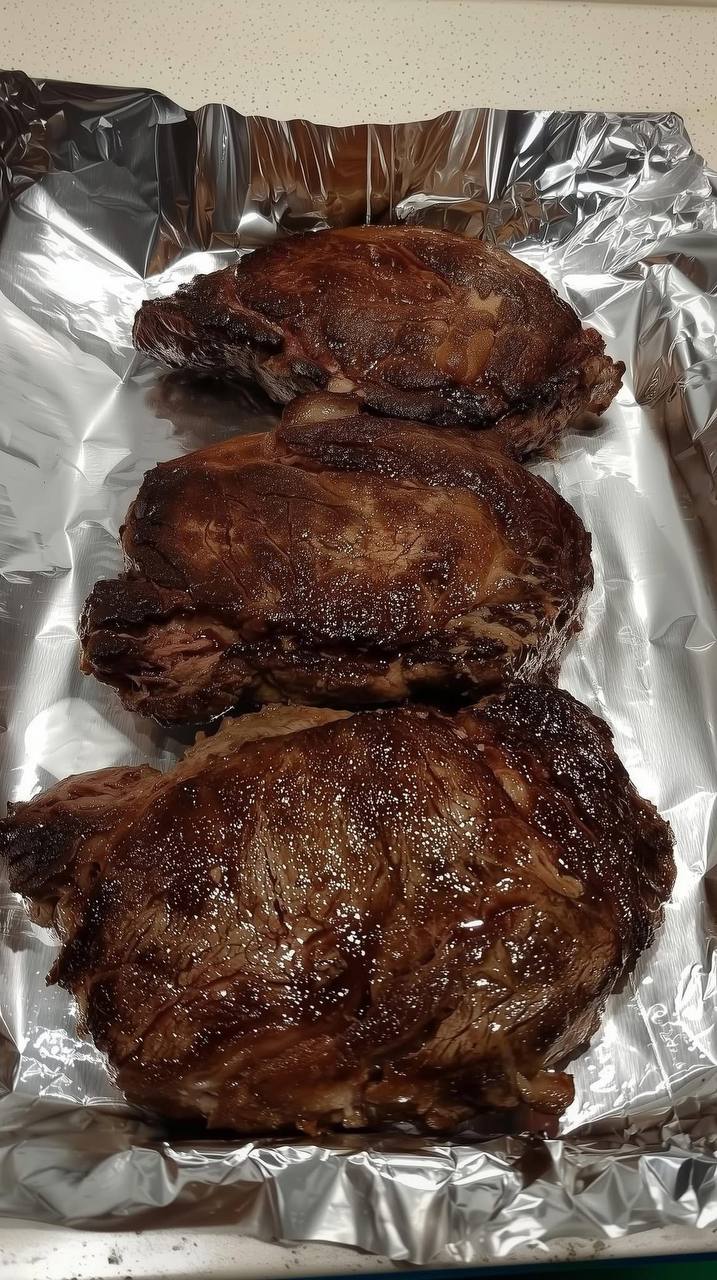
Prepare to elevate your home cooking game with a dish that consistently delivers restaurant-quality indulgence: Seared Ribeye Steak with Red Wine Pan Gravy. This isn’t just another steak dinner; it’s an experience designed to impress, yet it’s surprisingly achievable for any home cook. Imagine a perfectly seared ribeye, boasting a deep, caramelized crust and a juicy, tender interior, all bathed in a rich, glossy gravy crafted from the very essence of the pan drippings and a luxurious red wine. This recipe focuses on maximizing flavor and texture, transforming simple ingredients into an unforgettable meal.
What makes this particular combination so spectacular? It’s the synergy of contrasting elements. The robust, beefy flavor of a well-marbled ribeye meets the sophisticated depth of a red wine reduction. The intense, almost smoky notes from the sear are perfectly complemented by the tangy, savory, and slightly sweet undertones of the pan gravy. This dish isn’t just about satisfying hunger; it’s about delighting the senses, creating a culinary moment that feels both comforting and incredibly special. It’s the kind of meal you’ll want to share with loved ones or savor as a well-deserved treat.
The beauty of this recipe lies in its elegant simplicity and the masterful techniques that unlock maximum flavor. We’ll guide you through the crucial steps: achieving that coveted, deep brown crust on your ribeye, ensuring a perfectly juicy interior through proper resting, and then, the magic of transforming those flavorful pan drippings into a decadent red wine gravy. You’ll learn how to deglaze like a pro, build layers of flavor, and finish with a sauce that ties the entire dish together. Get ready to master the art of the perfect steak dinner, right in your own kitchen.
Nutritional Information
Per serving (approximate values):
- Calories: 720
- Protein: 65g
- Carbohydrates: 8g
- Fat: 48g
- Fiber: 1g
- Sodium: 850mg
Ingredients
- 2 (1.5-inch thick, 12-14 oz each) boneless ribeye steaks
- 1 tablespoon high smoke point oil (e.g., avocado, grapeseed, canola)
- 1 tablespoon unsalted butter, plus 2 tablespoons for gravy
- 1 shallot, finely minced
- 2 cloves garlic, minced
- 1 cup dry red wine (e.g., Cabernet Sauvignon, Merlot)
- 1 cup beef broth, low sodium
- 1 teaspoon fresh thyme leaves, chopped (optional, for gravy)
- 1/2 teaspoon fresh rosemary, chopped (optional, for gravy)
- 1 tablespoon all-purpose flour or 1 teaspoon cornstarch dissolved in 1 tablespoon cold water (optional, for thickening gravy)
- Kosher salt, to taste
- Freshly ground black pepper, to taste
Instructions
- Prepare the Steaks: Remove the ribeye steaks from the refrigerator at least 30-60 minutes before cooking to allow them to come closer to room temperature. This promotes more even cooking. Pat the steaks thoroughly dry with paper towels. This is a crucial step for achieving a good sear. Season generously on all sides with kosher salt and freshly ground black pepper. Don’t be shy with the seasoning; a thick steak can handle a good amount.
- Heat the Pan: Place a heavy-bottomed skillet, preferably cast iron, over high heat. Allow it to heat for 3-5 minutes until it is smoking lightly. Add the 1 tablespoon of high smoke point oil to the hot pan and swirl to coat the bottom.
- Sear the Steaks: Carefully place the seasoned steaks into the hot pan. Do not overcrowd the pan; cook one steak at a time if your pan isn’t large enough for both without touching. Sear for 2-4 minutes per side, depending on thickness and desired doneness, until a deep, dark brown crust forms. Use tongs to sear the fat cap and edges for about 1 minute each to render the fat and create an all-around crust.
- Add Butter and Aromatics (Optional Finishing): For the last minute or two of searing, add 1 tablespoon of unsalted butter to the pan. Tilt the pan slightly and use a spoon to baste the melted butter over the steaks repeatedly. You can also add a sprig of fresh rosemary or a crushed garlic clove to the butter for added aroma during this stage.
- Check Doneness: For medium-rare, aim for an internal temperature of 130-135°F (54-57°C). For medium, aim for 135-140°F (57-60°C). Use an instant-read meat thermometer inserted into the thickest part of the steak. Remember that the steak’s temperature will rise by a few degrees during resting.
- Rest the Steaks: Once cooked to your desired doneness, immediately transfer the steaks to a cutting board or a plate. Tent loosely with aluminum foil and let them rest for at least 10-15 minutes. This allows the juices to redistribute throughout the meat, ensuring a tender and juicy result. Do not skip this step!
- Prepare the Pan for Gravy: While the steaks are resting, carefully pour off any excess oil from the skillet, leaving behind the flavorful pan drippings (fond). Reduce the heat to medium-low.
- Sauté Aromatics: Add the minced shallot to the pan and cook, stirring frequently, for 2-3 minutes until softened and fragrant. Add the minced garlic and cook for another 30 seconds, being careful not to burn it.
- Deglaze with Red Wine: Pour the red wine into the hot pan. Use a wooden spoon or spatula to scrape up all the browned bits (fond) from the bottom of the pan. Bring the wine to a simmer and let it reduce by about half, allowing the alcohol to cook off, for about 5-7 minutes.
- Add Beef Broth and Herbs: Pour in the beef broth. Add the chopped fresh thyme and rosemary, if using. Bring the mixture to a simmer and let it reduce for another 8-10 minutes, or until the gravy has thickened slightly and the flavors have concentrated.
- Thicken the Gravy (Optional): If you prefer a thicker gravy, you can create a slurry. In a small bowl, whisk together 1 tablespoon of all-purpose flour or 1 teaspoon of cornstarch with 1 tablespoon of cold water until smooth. Slowly whisk the slurry into the simmering gravy. Continue to simmer and stir until the gravy reaches your desired consistency, usually 1-2 minutes.
- Finish the Gravy: Remove the pan from the heat. Whisk in the remaining 2 tablespoons of cold unsalted butter, one tablespoon at a time, until it’s fully incorporated and the gravy is glossy and smooth. Taste and adjust seasoning with salt and freshly ground black pepper as needed.
- Serve: Slice the rested ribeye steaks against the grain into thick slices. Arrange on plates and generously spoon the warm red wine pan gravy over the top. Serve immediately with your favorite side dishes.
Cooking Tips and Variations
Choosing Your Ribeye: Opt for a good quality, well-marbled ribeye. Marbling (the white flecks of fat) is key to flavor and tenderness. Aim for steaks that are 1.5 inches thick for the best searing and internal doneness control. Thinner steaks cook much faster and are harder to get a good crust on without overcooking.
The Importance of Patting Dry: This cannot be stressed enough! Moisture on the surface of the steak prevents a good sear. Instead of searing, the steak will steam. Use plenty of paper towels and ensure the surface is completely dry before seasoning.
Hot Pan, Fast Sear: A truly hot pan is essential for developing that coveted deep brown, flavorful crust (the Maillard reaction). Don’t rush this step. Allow your cast iron skillet to heat up for several minutes until it’s smoking lightly before adding the oil and then the steak. You should hear a vigorous sizzle immediately when the steak hits the pan.
Don’t Flip Too Soon: Resist the urge to constantly flip the steak. Let it cook undisturbed for the recommended time on each side to allow a proper crust to form. Only flip once you see a rich brown color. For thicker steaks, searing the edges by holding them with tongs can also help render fat and build crust all around.
Mastering Doneness with a Thermometer: While experience helps, a good instant-read meat thermometer is your best friend. Relying solely on touch can be unreliable, especially for beginners. Remember the carryover cooking: remove the steak 5 degrees Fahrenheit below your target temperature, as it will continue to cook while it rests.
Why Resting is Non-Negotiable: When meat cooks, its muscle fibers contract, pushing juices to the center. Resting allows these fibers to relax and reabsorb those juices, resulting in a significantly more tender and juicy steak. If you cut into it too soon, all those precious juices will run out onto your cutting board, leaving you with a drier steak.
Gravy Consistency Control: If your gravy is too thin, continue to simmer and reduce it. If it’s too thick, whisk in a little more beef broth or water until it reaches your desired consistency. Always taste and adjust seasoning after any additions.
Herbal Infusion: For an extra layer of flavor, add a sprig of fresh rosemary and a few sprigs of fresh thyme, along with a crushed garlic clove, to the pan while basting the steak with butter. Remove them before making the gravy, or add fresh herbs to the gravy itself as specified in the recipe.
Wine Choice for Gravy: Use a dry red wine that you would enjoy drinking. Avoid “cooking wines” which often contain added salt and preservatives. A good Cabernet Sauvignon, Merlot, or Pinot Noir works wonderfully. The quality of the wine will directly impact the flavor of your gravy.
Spice Rub Variation: Experiment with different spice rubs for your steak. A blend of garlic powder, onion powder, paprika, and a touch of cayenne pepper can add another dimension of flavor before searing.
Mushroom Addition: Sauté sliced mushrooms (cremini or button) with the shallots and garlic before deglazing for a heartier, earthier gravy.
Storage and Reheating
Storing Leftover Steak: Allow any leftover cooked steak to cool completely. Store it in an airtight container in the refrigerator for up to 3-4 days. For best quality, slice the steak before storing, or slice just before reheating.
Storing Leftover Gravy: Transfer the cooled gravy to an airtight container and refrigerate for up to 3-4 days. The gravy may thicken further in the refrigerator.
Reheating Steak: Reheating steak can be tricky as it’s easy to overcook and dry it out. The best method is gentle reheating. Slice the steak if it isn’t already. Place the slices in an oven-safe dish with a tablespoon or two of beef broth or water. Cover loosely with foil and reheat in a preheated oven at 250°F (120°C) for 10-15 minutes, or until just warmed through. Alternatively, you can gently warm slices in a lightly oiled non-stick skillet over low heat for a few minutes per side. Avoid microwaving whole steaks, as this often leads to rubbery results.
Reheating Gravy: Reheat the gravy gently in a small saucepan over low heat, stirring frequently. If it’s too thick, whisk in a splash of beef broth or water until it reaches your desired consistency. Do not boil vigorously, as this can make it separate.
Frequently Asked Questions
What kind of red wine is best for the gravy?
A dry red wine that you enjoy drinking is best, as its flavor will concentrate in the gravy. Good choices include Cabernet Sauvignon, Merlot, Pinot Noir, or a Zinfandel. Avoid sweet wines or “cooking wines” which often contain additives that can negatively impact the flavor of your gravy. You don’t need an expensive bottle, but something palatable will make a big difference.
Can I make this recipe without a cast iron skillet?
Yes, you can, but a heavy-bottomed stainless steel or other oven-safe skillet will work. Cast iron is highly recommended because it retains heat exceptionally well, leading to a much better, more even sear and crust on the steak. If using a lighter pan, be extra vigilant about maintaining consistent high heat.
What if my gravy is lumpy or too thin/thick?
If your gravy is lumpy, you can strain it through a fine-mesh sieve after whisking in the butter for a smoother consistency. If it’s too thin, continue to simmer and reduce it further over low heat. If it’s too thick, whisk in a tablespoon or two of beef broth or water until it reaches your desired consistency. Always taste and adjust seasoning after any adjustments.
How do I know when my steak is at room temperature?
Bringing steak to “room temperature” doesn’t mean it should feel warm. It simply means taking the chill off from the refrigerator. After 30-60 minutes on the counter, it should feel less cold to the touch than directly out of the fridge. This step helps the steak cook more evenly from edge to edge, preventing a cold center or an overcooked exterior.