Introduction
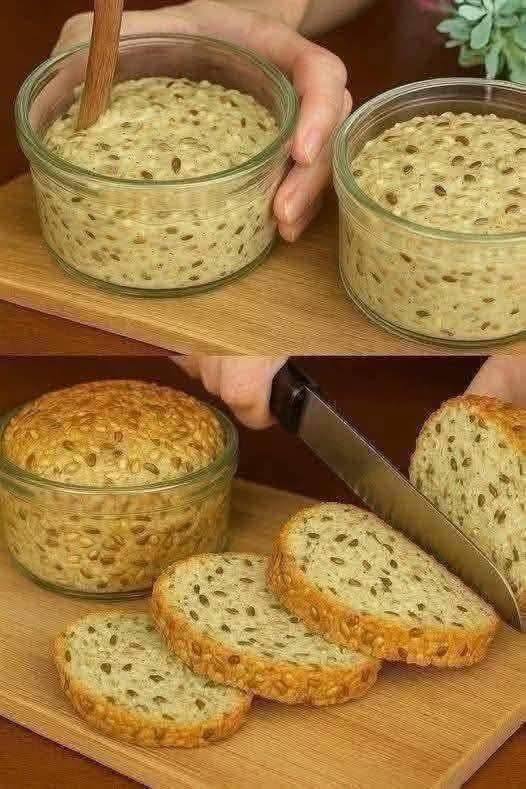
Imagine the aroma of freshly baked bread wafting through your home – that warm, comforting scent that instantly makes everything feel cozier. Now, imagine achieving that without the arm-aching work of kneading, and with a presentation so charming it’ll make you smile. Welcome to the world of Seeded No-Knead Bread, baked right in a glass bowl! This recipe is a game-changer for anyone who loves homemade bread but shies away from the traditional, labor-intensive methods. It’s all about simplicity meeting deliciousness, allowing time to do the heavy lifting while you go about your day.
What makes this particular no-knead bread so special? Firstly, its incredible ease and accessibility. You don’t need a stand mixer, a bread machine, or any specialized equipment beyond a mixing bowl and some oven-safe glass dishes. This makes it perfect for beginners taking their first steps into bread making, or for experienced bakers looking for a low-effort, high-reward recipe. Secondly, the visual appeal is undeniable. Baking in individual glass bowls yields uniquely shaped, perfectly portioned loaves that are not only adorable but also ensure a consistently crispy crust and tender crumb. Finally, the generous addition of various seeds doesn’t just add a delightful crunch and nutty flavor; it also boosts the nutritional profile, making each slice a little bit healthier and more satisfying. Get ready to impress yourself and your loved ones with a delightful loaf that looks as good as it tastes!
This detailed guide will walk you through every step, from mixing a shaggy dough to pulling golden-brown loaves from your oven. You’ll learn the secrets behind the no-knead method, understand why those glass bowls are more than just a pretty face, and discover how easy it is to customize this recipe to your heart’s content. Prepare to transform simple ingredients into a truly delightful loaf that will become a staple in your kitchen.
Nutritional Information
Per serving (approximate values – based on 10 servings per loaf):
- Calories: 250
- Protein: 9g
- Carbohydrates: 45g
- Fat: 4g
- Fiber: 5g
- Sodium: 350mg
Ingredients
- 3 cups (360g) all-purpose flour, plus extra for dusting
- 1/2 teaspoon instant or active dry yeast
- 1 1/2 teaspoons fine sea salt
- 1/4 cup (30g) mixed seeds (such as flax seeds, sunflower seeds, sesame seeds, poppy seeds, or pumpkin seeds), plus more for sprinkling
- 1 1/2 cups (360ml) lukewarm water (around 100-110°F / 38-43°C)
- Olive oil or butter for greasing the glass bowls
Instructions
- In a large mixing bowl, combine the flour, yeast, and salt. Whisk briefly to ensure they are well distributed.
- Add the 1/4 cup of mixed seeds to the dry ingredients and stir to combine. This ensures the seeds are evenly dispersed throughout the dough.
- Pour the lukewarm water into the dry ingredients. Using a wooden spoon or a sturdy spatula, mix until a shaggy, sticky dough forms. There’s no need to knead; just ensure all the flour is hydrated. The dough will look quite wet and uneven – this is perfectly normal for a no-knead dough.
- Cover the bowl tightly with plastic wrap or a damp kitchen towel. Place the bowl in a warm, draft-free spot (like an oven with the light on, but turned off) and let it ferment at room temperature for at least 12 hours, and up to 18 hours. During this time, the dough will double in size, become bubbly, and develop a complex flavor.
- After the long fermentation, generously grease two oven-safe glass bowls (approximately 1-quart / 1-liter capacity each) with olive oil or butter. Dust the greased bowls lightly with flour, tapping out any excess. This is crucial for preventing sticking.
- Gently scrape the dough out of the bowl onto a lightly floured surface. Avoid deflating it too much. Using a bench scraper or floured hands, gently divide the dough in half.
- Working with one half at a time, gently fold the edges of the dough towards the center a few times to form a rough ball. Try to create some surface tension. Do not knead aggressively.
- Carefully transfer each dough ball into one of the prepared glass bowls. If desired, sprinkle a few extra seeds on top of each dough ball.
- Loosely cover the glass bowls with plastic wrap or a damp towel and let them proof at room temperature for another 30-45 minutes. The dough should visibly puff up again.
- While the dough is proofing, preheat your oven to 450°F (230°C). Make sure to place an oven rack in the lower-middle position.
- Once the oven is preheated and the dough has proofed, carefully remove the plastic wrap from the glass bowls. Place the bowls directly into the preheated oven.
- Bake for 30-35 minutes, or until the crust is deeply golden brown and sounds hollow when tapped on the bottom. The internal temperature should register around 200-210°F (93-99°C).
- Carefully remove the glass bowls from the oven. Using oven mitts, immediately invert the bowls onto a wire cooling rack to release the bread. If the bread sticks, gently run a knife around the edges.
- Allow the loaves to cool completely on the wire rack for at least 1-2 hours before slicing. Slicing warm bread can result in a gummy texture.
Cooking Tips and Variations
For the best results with this seeded no-knead bread, consider a few key tips. Always use oven-safe glass bowls, such as Pyrex or borosilicate glass, to prevent shattering. Avoid placing cold glass bowls directly into a hot oven or hot bowls onto a cold surface, as extreme temperature changes can cause them to break. Generously greasing and flouring your glass bowls is paramount; this ensures your beautiful loaves release easily without sticking. The high hydration of no-knead doughs is what creates their characteristic open, airy crumb, so resist the urge to add more flour during the initial mixing, even if it seems very sticky. The long fermentation time is not just for convenience; it’s essential for developing the complex flavors and the unique gluten structure that eliminates the need for kneading. If your kitchen is particularly cold, you can place the covered dough in a turned-off oven with just the light on to create a slightly warmer environment for fermentation. During the second proofing in the bowls, don’t let the dough over-proof, or it might collapse in the oven. Look for a visible puff, but not a massive expansion. For an even crispier crust, you can place a shallow pan of water on the bottom rack of your oven during baking to create steam. To enhance the flavor of your seeds, gently toast them in a dry skillet for a few minutes before adding them to the dough, being careful not to burn them. Another trick for a beautiful crust is to brush the tops of the loaves with a little water or milk just before baking, or even sprinkle with a few extra seeds for a rustic finish.
This recipe is wonderfully adaptable to your preferences. You can experiment with different seed variations; try a blend of poppy seeds, black sesame seeds, and chia seeds for a different texture and flavor profile. For a heartier loaf, substitute up to 1 cup of the all-purpose flour with whole wheat flour or rye flour, just be aware that this might require a slightly longer fermentation time and result in a denser crumb. To add savory notes, incorporate dried herbs like rosemary, thyme, or oregano into the dough, or even a handful of grated Parmesan cheese. If you’re feeling adventurous, a tablespoon of honey or maple syrup can be added to the water for a touch of sweetness and to help with browning. You can also explore different flours; bread flour will yield a chewier crumb, while a higher proportion of whole grains will result in a more rustic loaf. Just remember that whole grain flours absorb more water, so you might need to adjust the hydration slightly. For a garlic bread variation, add a teaspoon of garlic powder to the dry ingredients, or for a more intense flavor, knead in roasted garlic cloves after the initial fermentation. The beauty of no-knead bread lies in its flexibility, allowing you to tailor it to your taste.
Storage and Reheating
To keep your Seeded No-Knead Bread fresh, store it at room temperature in an airtight container or a bread bag. A linen bread bag also works wonderfully, allowing the crust to remain crispier for longer. Avoid refrigerating bread, as this can actually make it stale faster. Properly stored, your homemade bread will stay fresh for 3-4 days. For longer storage, you can freeze the bread. Once completely cooled, slice the loaf and place the slices in a freezer-safe bag or wrap the entire loaf tightly in plastic wrap, then foil. Frozen bread will last for up to 3 months. When you’re ready to enjoy it, you can thaw individual slices at room temperature or toast them directly from frozen. A whole loaf can be thawed overnight at room temperature or reheated in a preheated oven at 350°F (175°C) for about 10-15 minutes, which will also help crisp up the crust again. Reheating in the oven is the best way to revive a slightly stale loaf, bringing back some of its original texture and aroma. If you’re just warming a slice, a toaster or toaster oven works perfectly. For a quick refresh, you can lightly mist the loaf with water before reheating in the oven; this helps to create a steamy environment that softens the crumb and crisps the crust.
Frequently Asked Questions
Why do I need to use oven-safe glass bowls?
Oven-safe glass bowls, such as those made from borosilicate glass (like Pyrex), are specifically designed to withstand high temperatures and rapid temperature changes without shattering. Regular glass bowls are not suitable for baking in a hot oven and could break, creating a dangerous situation. Always check for a “oven safe” label on your glassware before using it for baking.
My dough didn’t rise much during the overnight fermentation. What went wrong?
Several factors could cause this. The most common reasons are inactive yeast (check the expiration date and ensure it’s fresh), water that was too hot (which can kill the yeast) or too cold (which slows it down significantly), or a very cold room temperature that inhibits yeast activity. Ensure your water is lukewarm (around 100-110°F / 38-43°C) and your yeast is active. If your kitchen is cold, try placing the covered dough in a slightly warmer spot, like a turned-off oven with just the light on.
Can I make this bread in a Dutch oven instead of glass bowls?
Absolutely! The no-knead method is famously associated with Dutch oven baking. If using a Dutch oven, you would typically preheat the empty Dutch oven in the oven, then carefully transfer the proofed dough into the hot Dutch oven, cover it, and bake for the first part of the cooking time, then remove the lid for the remainder to achieve a crispy crust. The glass bowls offer a different aesthetic and allow for individual, round loaves, but a Dutch oven will also yield fantastic results.
My bread stuck to the glass bowls even after greasing and flouring. What can I do?
This usually happens if the bowls weren’t greased generously enough or if the flour dusting wasn’t sufficient. Ensure you really coat the entire interior surface with oil or butter, getting into every crevice, and then dust thoroughly with flour, rotating the bowl to cover all the greased areas. You can also try using parchment paper cut to fit the bottom of the bowls as an extra precaution. If it still sticks, let the bread cool slightly in the bowl before attempting to remove it, and use a thin, flexible spatula or knife to gently loosen the edges.