Instructions
- Prepare the Cucumber: Begin by washing the cucumber thoroughly. Using a mandoline slicer or a very sharp knife, slice the cucumber into rounds as thinly and evenly as possible, about 1/16 to 1/8 inch thick. For English cucumbers, you can leave the skin on. For regular cucumbers, you may peel them first if desired. Lay the cucumber slices on a few layers of paper towels, sprinkle lightly with salt, and let them sit for 10-15 minutes. This step draws out excess moisture, which is crucial for preventing soggy sandwiches. After 10-15 minutes, gently pat the cucumber slices completely dry with fresh paper towels.
- Prepare the Bread: Carefully remove the crusts from all the slices of white sandwich bread. You can use a serrated knife for a clean cut. If using the optional butter, lightly spread a very thin layer of softened butter on one side of each bread slice. This adds an extra layer of flavor and acts as a barrier against moisture from the cream cheese and cucumber.
- Prepare the Cream Cheese Spread: Ensure your cream cheese is softened to room temperature. This makes it much easier to spread smoothly without tearing the bread. If it’s too firm, microwave it for 10-15 seconds or let it sit on the counter for 30-60 minutes.
- Assemble the Sandwiches: Take one slice of bread (buttered side up, if using butter) and spread an even, generous layer of the softened cream cheese all the way to the edges.
- Layer the Cucumber: Arrange a single layer of the thinly sliced, patted-dry cucumber slices over the cream cheese. Overlap them slightly to cover the entire surface, ensuring every bite gets a taste of refreshing cucumber.
- Top and Cut: Place another slice of bread (buttered side down, if using butter) on top of the cucumber layer, gently pressing down to secure the sandwich. Repeat this process with the remaining bread, cream cheese, and cucumber.
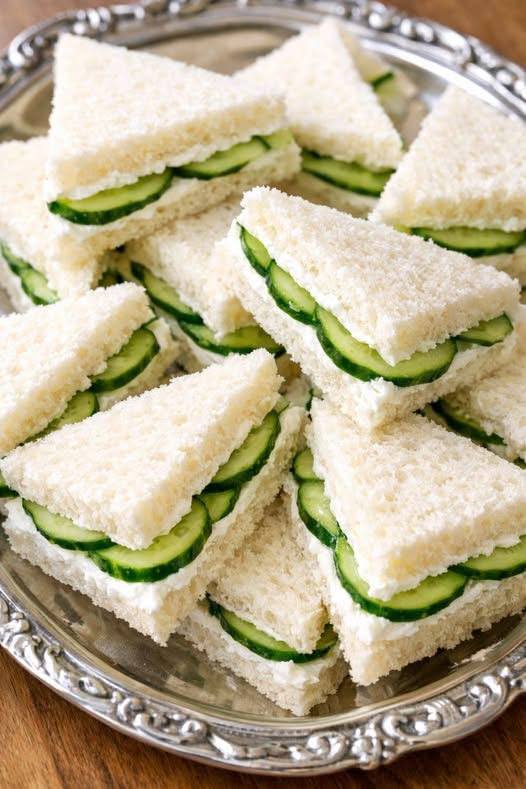
- Cut into Desired Shapes: For the classic Southern presentation, cut each assembled sandwich into four small triangles or two rectangles. To do this, you can first cut the sandwich in half diagonally to create two triangles, then cut each of those in half again diagonally to form four smaller triangles. Alternatively, cut straight across the middle to make two rectangles, and then cut each rectangle in half to make four smaller squares. For the neatest cuts, use a sharp, non-serrated knife and wipe the blade clean between cuts.
- Serve Immediately: Arrange the finished cucumber sandwiches on a platter and serve immediately for the best texture and freshness.
Cooking Tips and Variations
To truly master the art of the Southern 4-Ingredient Cucumber Sandwich, a few insider tips can make all the difference. Firstly, the quality of your ingredients matters immensely. Opt for a fresh, firm English cucumber; its thinner skin and fewer seeds make it ideal for slicing. For the bread, a soft, high-quality white sandwich bread is traditional and offers the perfect delicate texture. If you can find a slightly denser, yet still soft, white bread, it holds up even better.
The secret to preventing soggy sandwiches lies in managing moisture. Always salt your cucumber slices and let them sit for 10-15 minutes before thoroughly patting them dry. This step draws out excess water, ensuring your sandwiches remain crisp and fresh. Another trick is to apply a very thin layer of softened butter to one side of each bread slice before adding the cream cheese. This creates a barrier, further protecting the bread from moisture. Make sure your cream cheese is at room temperature; cold, firm cream cheese will tear delicate bread slices when spread.
While this recipe prides itself on its simplicity, there are delightful variations you can explore. For an herby twist, fold 1-2 tablespoons of finely chopped fresh dill, chives, or parsley into the softened cream cheese. A pinch of garlic powder or onion powder can also add a subtle savory depth. If you prefer a tangier spread, a squeeze of fresh lemon juice or a dash of white wine vinegar can be mixed into the cream cheese. For those who enjoy a bit of heat, a tiny pinch of cayenne pepper or a thin slice of jalapeño (if you dare!) can be added to the cream cheese or layered with the cucumber.
Experiment with different types of bread to suit your preference. While white bread is classic, thinly sliced brioche or potato bread can add a touch of richness. For a slightly healthier option, a very thinly sliced whole wheat or multigrain bread can be used, though it will alter the traditional delicate texture. You can also vary the shapes; beyond triangles and squares, try using cookie cutters to create festive shapes like stars or hearts for special occasions.
Storage and Reheating
Cucumber sandwiches are best enjoyed fresh, ideally within an hour or two of assembly. Their delicate nature and the moisture from the cucumber mean they don’t store particularly well for extended periods. However, if you must prepare them slightly in advance or have leftovers, there are methods to minimize deterioration.
To store assembled sandwiches for a short period (up to 2-3 hours), place them in a single layer on a platter lined with a damp paper towel (not wet, just slightly moist). Cover the platter tightly with plastic wrap, ensuring the wrap doesn’t touch the sandwiches too much, and refrigerate. The damp paper towel helps maintain a bit of humidity without making the sandwiches soggy, keeping the bread soft. For longer storage, this method isn’t recommended as the bread will eventually absorb too much moisture and become mushy.
A better strategy for making ahead is to prepare the components separately. Slice and salt the cucumbers, then pat them dry, and store them in an airtight container in the refrigerator. Prepare the cream cheese spread (with any desired herbs or seasonings) and store it in a separate airtight container in the fridge. When you’re ready to serve, simply remove the ingredients from the refrigerator, allow the cream cheese to soften slightly (about 10-15 minutes), and then assemble the sandwiches fresh. This method ensures the best possible texture and flavor.
Reheating cucumber sandwiches is generally not recommended. The cold, crisp cucumber and soft bread are key to their appeal. Heating them would result in warm, limp cucumber and potentially hard or dry bread, completely altering the intended experience. These are meant to be served chilled or at room temperature, a refreshing bite that needs no warmth.
Frequently Asked Questions
What kind of cucumber is best for cucumber sandwiches?
English cucumbers are highly recommended for cucumber sandwiches. They have thinner skin, fewer and smaller seeds, and a milder flavor compared to regular garden cucumbers. This means you often don’t need to peel them or remove the seeds, saving time and ensuring a more delicate texture. If using regular cucumbers, you might want to peel them and scoop out the seedy core before slicing.
How do I prevent my cucumber sandwiches from getting soggy?
Preventing sogginess is crucial for a perfect cucumber sandwich. The most important step is to thinly slice the cucumber, lightly salt it, and let it sit for about 10-15 minutes. This process draws out excess moisture. After sitting, thoroughly pat the cucumber slices dry with paper towels. Another tip is to spread a very thin layer of softened butter on the bread before applying the cream cheese; this acts as a barrier against moisture. Finally, assemble the sandwiches as close to serving time as possible.
Can I make these sandwiches ahead of time?
While cucumber sandwiches are best enjoyed fresh, you can prepare components ahead of time. Slice and dry the cucumbers, and store them in an airtight container in the refrigerator. Prepare the cream cheese spread and store it separately. Assemble the sandwiches no more than 2-3 hours before serving for optimal freshness. Any longer, and the bread may start to absorb too much moisture, leading to a soggy texture.
What are some common variations for the cream cheese spread?
The cream cheese spread is a great place to add subtle variations. For a classic herbed flavor, mix in 1-2 tablespoons of finely chopped fresh dill, chives, or parsley. A pinch of garlic powder, onion powder, or white pepper can also enhance the savory notes. For a brighter taste, a squeeze of fresh lemon juice or a tiny amount of lemon zest can be added. Some Southern recipes also incorporate a dash of Worcestershire sauce or a tiny bit of mayonnaise for extra creaminess and tang.