Introduction
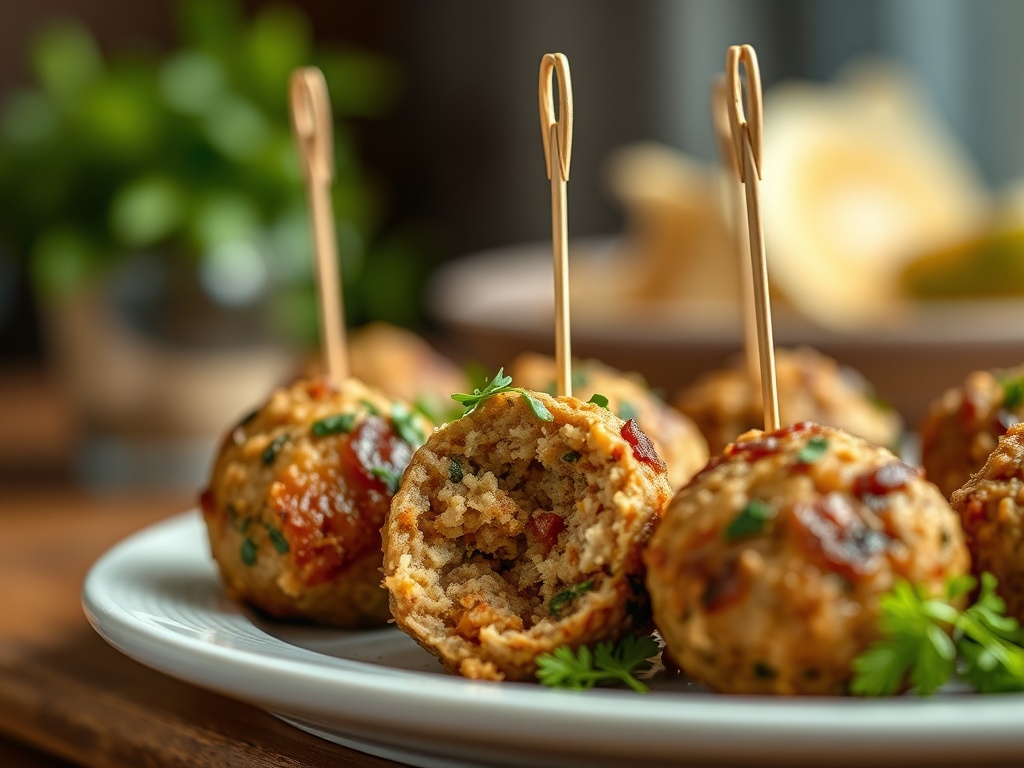
Stuffing: it’s not just a side dish, it’s a holiday institution, a flavor-packed hug on a plate that evokes warmth, family, and tradition. But let’s be honest, traditional stuffing, while delicious, can sometimes present a few challenges. It can be a bit mushy, lack those coveted crispy edges, and serving it neatly can feel like a culinary wrestling match. What if there was a way to capture all the savory, aromatic goodness of classic stuffing, but elevate it to a new level of perfection? Enter the Stuffing Ball: perfectly portioned, wonderfully crispy on the outside, and incredibly tender on the inside.
These golden, bite-sized delights solve all your stuffing woes. Imagine every single bite delivering that satisfying crunch, followed by a burst of herbaceous, comforting flavor. No more fighting for the crispy corner; with Stuffing Balls, every piece is a crispy corner! They’re not just a clever trick for the holidays either. Their versatility makes them a fantastic make-ahead option, reducing stress during festive feasts, and turning them into an easy, kid-friendly side dish or even a delightful appetizer for any occasion. Get ready to transform your stuffing experience and discover why these little spheres of joy are about to become your new favorite way to enjoy this beloved classic.
From their ease of serving to their undeniable appeal, Stuffing Balls are poised to become a staple in your kitchen. Their savory, aromatic profile, bursting with fresh herbs, makes them an irresistible addition to any meal. Whether you’re aiming to impress guests, simplify your holiday cooking, or simply enjoy a comforting and flavorful side, this recipe promises to deliver. Prepare to fall in love with the ultimate crispy, tender, and perfectly portioned stuffing experience!
Nutritional Information
Per serving (approximate values for 2 balls):
- Calories: 210
- Protein: 7g
- Carbohydrates: 25g
- Fat: 10g
- Fiber: 2g
- Sodium: 450mg
Ingredients
- 1 pound stale crusty bread (sourdough, French bread, or challah), cut into 1/2-inch cubes (about 8-10 cups)
- 1 cup unsalted butter
- 2 large yellow onions, finely diced
- 4 celery stalks, finely diced
- 4 cloves garlic, minced
- 1/2 cup fresh parsley, chopped
- 1/4 cup fresh sage, chopped
- 2 tablespoons fresh thyme, chopped
- 1 teaspoon salt, or to taste
- 1/2 teaspoon black pepper, or to taste
- 1/4 teaspoon ground nutmeg (optional)
- 2 large eggs, lightly beaten
- 2 1/2 – 3 cups low-sodium chicken or vegetable broth, warmed
Instructions
- Prepare the Bread: If your bread isn’t already stale, spread the cubes on a large baking sheet and bake at 250°F (120°C) for 15-20 minutes, or until dried out but not toasted. Let cool completely.
- Sauté the Aromatics: In a large skillet or Dutch oven, melt the butter over medium heat. Add the diced onions and celery and cook, stirring occasionally, until softened and translucent, about 8-10 minutes. Add the minced garlic and cook for another minute until fragrant. Remove from heat and let cool slightly.
- Combine Dry Ingredients: In a very large mixing bowl, combine the dried bread cubes, sautéed onion and celery mixture, chopped fresh parsley, sage, and thyme. Season with salt, black pepper, and optional nutmeg. Toss gently to combine.
- Add Wet Ingredients: In a separate bowl, whisk together the lightly beaten eggs and 2 1/2 cups of the warmed broth.
- Moisten the Stuffing Mixture: Pour the egg and broth mixture over the bread and aromatic mixture in the large bowl. Toss gently but thoroughly with your hands or a large spoon until all the bread cubes are moistened. Let the mixture sit for 5-10 minutes to allow the bread to fully absorb the liquid. The mixture should be moist enough to hold together when squeezed gently, but not soggy. If it feels too dry, add the remaining 1/2 cup of broth, a little at a time, until the desired consistency is reached.
- Form the Stuffing Balls: Preheat your oven to 375°F (190°C). Line a large baking sheet with parchment paper. Using a 1.5-inch cookie scoop or your hands, gently but firmly form the stuffing mixture into uniform balls, about 1.5 to 2 inches in diameter. Arrange them on the prepared baking sheet, leaving a small space between each ball. Do not over-compress the balls, as this can lead to a dense texture.
- Bake to Golden Perfection: Bake for 25-30 minutes, or until the stuffing balls are golden brown and crispy on the outside and heated through. For extra crispiness, you can broil for the last 1-2 minutes, watching carefully to prevent burning.
- Serve: Remove from the oven and serve hot as a side dish with your favorite holiday meal, a weeknight roast, or as a delightful appetizer.
Cooking Tips and Variations
For the best Stuffing Balls, the bread is truly paramount. Using stale, hearty bread like sourdough, French bread, or challah ensures a good texture that absorbs flavor without becoming mushy. If your bread isn’t stale, don’t just use fresh bread; it will lead to a dense, gummy result. Instead, cube it and spread it on a baking sheet, then bake at a low temperature (250°F / 120°C) for about 15-20 minutes until it’s dry to the touch but not toasted. This quick drying method works wonders. Another crucial tip is moisture control: add your broth gradually. The biggest pitfall in stuffing is either too much or too little liquid. The mixture should be moist enough to hold together when squeezed gently, but not wet or soggy, which would prevent crisping. Don’t rush the sautéing of aromatics; cooking the onions, celery, and garlic slowly in butter develops a deep, foundational flavor that is essential for delicious stuffing.
These Stuffing Balls are incredibly versatile and lend themselves well to various delicious variations. For a heartier option, consider adding cooked and crumbled sausage (sage sausage works wonderfully) or crispy bacon bits to the mixture along with the aromatics. Sautéed mushrooms can also add a delightful umami depth. If you enjoy a touch of sweetness and tartness, fold in some diced apples or dried cranberries. For added crunch and richness, toasted pecans or walnuts are excellent additions. Cheese lovers can mix in some grated Parmesan, Gruyere, or sharp cheddar for a cheesy twist. For a hint of spice, a pinch of red pepper flakes can be included. To make them gluten-free, simply substitute with your favorite gluten-free bread. For a vegetarian or vegan version, ensure you use vegetable broth, a plant-based butter alternative, and for binding, a “flax egg” (1 tablespoon ground flaxseed mixed with 3 tablespoons water, let sit for 5 minutes to thicken) can replace the chicken eggs, though the texture might be slightly different.
Storage and Reheating
Stuffing Balls are an excellent make-ahead dish, perfect for reducing stress during busy cooking times. If you want to prepare them in advance, you can make the entire stuffing mixture (before forming balls) up to 1-2 days ahead of time. Store it covered tightly in the refrigerator. When ready to bake, simply form the balls and proceed with the baking instructions. Alternatively, you can form the balls and arrange them on a baking sheet, then cover and refrigerate for up to 24 hours before baking. For longer storage, Stuffing Balls freeze beautifully. To freeze unbaked balls, arrange them on a baking sheet and freeze until solid (this prevents them from sticking together), then transfer them to a freezer-safe bag or airtight container for up to 3 months. You can bake them directly from frozen, adding an extra 10-15 minutes to the baking time until golden and heated through. If you have leftover baked stuffing balls, you can also freeze them. Once cooled, place them in a freezer-safe container for up to 3 months. When ready to enjoy, reheat them in a preheated oven at 350°F (175°C) until warmed through and re-crisped, about 15-20 minutes.
For reheating leftover baked stuffing balls, the oven is your best friend for maintaining that desirable crisp exterior. Place the balls on a baking sheet and reheat in a preheated oven at 350°F (175°C) for about 10-15 minutes, or until thoroughly heated and the outside is re-crisped. If reheating a small batch, a toaster oven works wonderfully. While a microwave can warm them up quickly, it will likely soften the exterior, so it’s generally not recommended if you prioritize crispiness. Always ensure the internal temperature reaches a safe 165°F (74°C) when reheating.
Frequently Asked Questions
What kind of bread is best for Stuffing Balls?
The best bread for Stuffing Balls is a hearty, crusty variety that is stale. Sourdough, French bread, challah, or even day-old white sandwich bread work well. Stale bread is crucial because it absorbs the liquids without becoming mushy, allowing the balls to hold their shape and achieve a crispy exterior. Avoid using very soft or fresh bread, as it tends to create a dense, gummy texture.
Can I make Stuffing Balls ahead of time?
Absolutely! Stuffing Balls are excellent for make-ahead preparation. You can prepare the entire stuffing mixture (before forming into balls) up to 1-2 days in advance and store it covered in the refrigerator. Alternatively, you can form the balls and refrigerate them on a baking sheet, covered, for up to 24 hours before baking. For longer storage, freeze the formed, unbaked balls on a baking sheet until solid, then transfer to a freezer-safe bag for up to 3 months. Bake from frozen, adding extra time.
Why are my Stuffing Balls falling apart or too dry/soggy?
If your Stuffing Balls are falling apart, it’s likely due to a lack of binder (eggs) or insufficient moisture. Ensure the mixture is moist enough to hold together when squeezed, but not overly wet. If they are too dry, you probably didn’t add enough broth; add it gradually until the desired consistency. If they are soggy, too much liquid was added, or your bread wasn’t stale enough. The key is to find that perfect balance where the mixture is moist and cohesive but not waterlogged.