Introduction
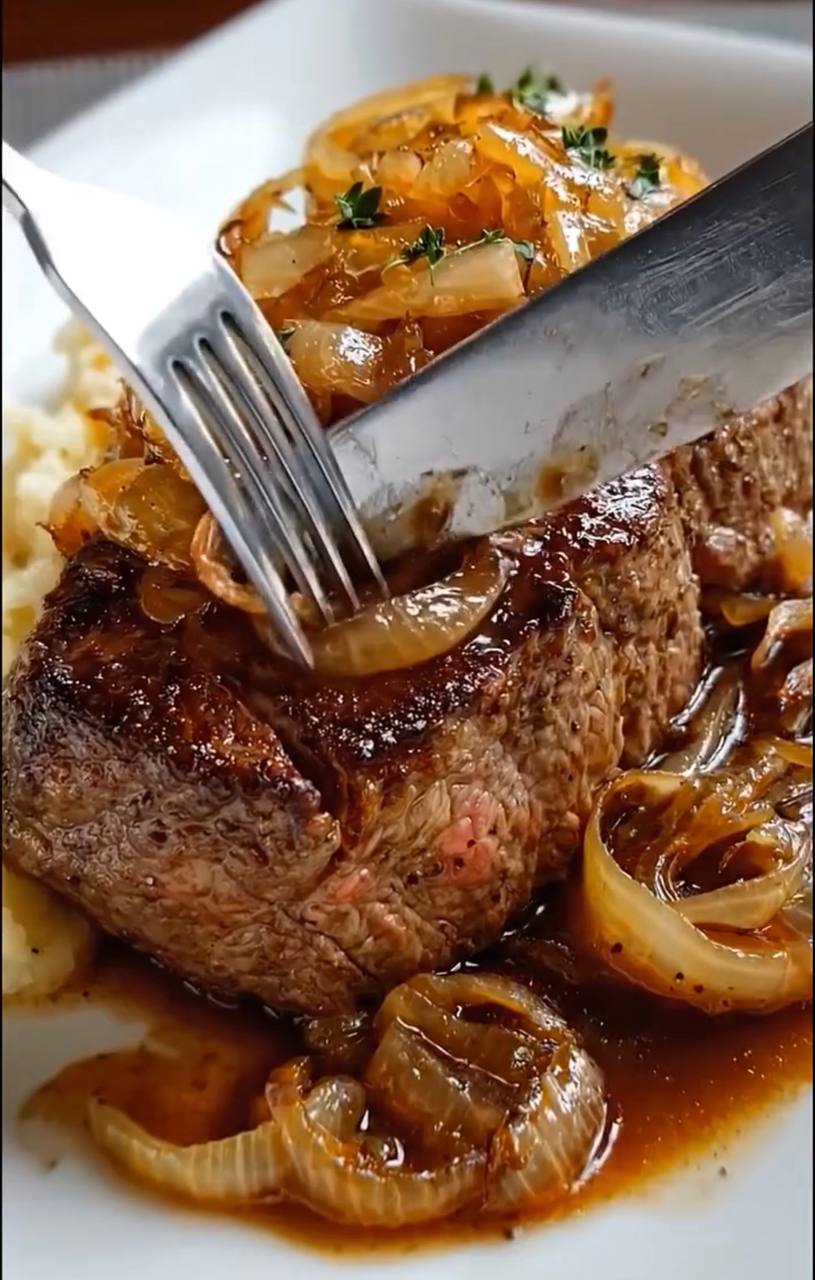
Step into the heartwarming world of German comfort food with this exquisite Swabian Beef Roast with Onions. Imagine a tender, succulent cut of beef, slow-cooked to perfection, draped in a rich, glistening gravy, and crowned with a generous heap of sweet, deeply caramelized onions. This dish isn’t just a meal; it’s an experience, a culinary embrace that transports you straight to the cozy kitchens of Swabia, a historic region in southwestern Germany renowned for its hearty, flavorful, and deeply satisfying cuisine. It’s the kind of dish that brings families together around the dinner table, promising warmth, flavor, and pure gastronomic delight with every forkful.
What makes this particular Swabian Beef Roast so special is the harmonious interplay of its star ingredients. The beef, often a lean cut like tenderloin, is expertly seared to lock in its juices and develop a beautiful crust, then gently roasted to achieve an unparalleled tenderness. But the true magic unfolds with the onions. These humble vegetables are transformed through a patient, slow caramelization process, coaxing out their natural sugars until they become a sweet, savory, and almost jam-like topping that perfectly complements the robust flavor of the beef. The resulting sauce, a rich reduction of pan drippings, often enhanced with beef broth and a touch of red wine, ties all these elements together into a symphony of taste and texture that is both sophisticated and deeply comforting.
This recipe isn’t just about following steps; it’s about appreciating the tradition and the simple yet profound flavors that define Swabian cooking. Known for its emphasis on quality ingredients and time-honored techniques, Swabian cuisine often features roasted meats, rich gravies, and delicious accompaniments like spaetzle or potato dumplings. Our Swabian Beef Roast with Onions embodies this spirit, offering a taste of authentic German culinary heritage that is both approachable for the home cook and impressive enough for any special occasion. Prepare to impress your taste buds and your guests with this truly unforgettable dish.
Nutritional Information
Per serving (approximate values):
- Calories: 580
- Protein: 55g
- Carbohydrates: 25g
- Fat: 28g
- Fiber: 4g
- Sodium: 650mg
Ingredients
- 2.5 lbs beef tenderloin, sirloin roast, or top round roast
- 2 tablespoons olive oil
- 2 tablespoons unsalted butter
- 3 large yellow onions, thinly sliced
- 2 cloves garlic, minced
- 1 cup beef broth, low sodium
- 1/2 cup dry red wine (such as Merlot or Cabernet Sauvignon)
- 1 tablespoon all-purpose flour (optional, for thickening)
- 1 teaspoon fresh thyme leaves, plus extra sprigs for garnish
- 1 teaspoon salt, or to taste
- 1/2 teaspoon black pepper, freshly ground, or to taste
- 1/4 teaspoon smoked paprika (optional, for depth)
- 1 bay leaf
- Fresh parsley, chopped, for garnish (optional)
Instructions
- Prepare the Beef: Pat the beef roast dry thoroughly with paper towels. Season generously all over with 1 teaspoon of salt, 1/2 teaspoon of black pepper, and 1/4 teaspoon of smoked paprika (if using). This dry surface and seasoning are crucial for a good sear.
- Sear the Beef: Heat 1 tablespoon of olive oil and 1 tablespoon of unsalted butter in a large, heavy-bottomed oven-safe pot or Dutch oven over medium-high heat until shimmering. Carefully place the seasoned beef into the hot pot and sear on all sides until deeply golden brown, about 3-4 minutes per side. This step builds immense flavor. Remove the seared beef from the pot and set aside on a plate.
- Caramelize the Onions: Reduce the heat to medium-low. Add the remaining 1 tablespoon of olive oil and 1 tablespoon of unsalted butter to the same pot. Add the thinly sliced onions and a pinch of salt. Cook, stirring occasionally, for 25-35 minutes, or until the onions are deeply golden brown, soft, and sweet. This process requires patience; avoid rushing it, as true caramelization develops the best flavor. Add the minced garlic during the last 5 minutes of cooking the onions to prevent burning.
- Deglaze and Build the Sauce Base: Once the onions are caramelized, sprinkle the 1 tablespoon of flour over them (if using for thickening) and stir constantly for 1 minute to cook out the raw flour taste. Pour in the 1/2 cup of dry red wine, scraping up any browned bits from the bottom of the pot with a wooden spoon. Let the wine simmer and reduce by half, about 2-3 minutes.
- Add Broth and Herbs: Stir in the 1 cup of beef broth, 1 teaspoon of fresh thyme leaves, and the bay leaf. Bring the mixture to a gentle simmer.
- Roast the Beef: Carefully return the seared beef roast to the pot, nestling it into the onion and sauce mixture. Ensure the liquid comes about halfway up the sides of the beef. Cover the pot with a tight-fitting lid or aluminum foil.
- Cook in the Oven: Transfer the covered pot to a preheated oven at 325°F (160°C). Roast for 1.5 to 2.5 hours, depending on the thickness of your roast and your desired level of doneness. For medium-rare (130-135°F), check around 1.5 hours. For medium (135-140°F), check around 2 hours. For well-done (155-160°F), it may take up to 2.5 hours. Use an instant-read meat thermometer inserted into the thickest part of the roast to determine doneness accurately.
- Rest the Beef: Once the beef reaches your desired temperature, carefully remove the pot from the oven. Transfer the beef roast to a cutting board, tent it loosely with foil, and let it rest for at least 15-20 minutes before slicing. Resting is crucial for juicy, tender meat, allowing the internal juices to redistribute.
- Finish the Sauce: While the beef is resting, remove the bay leaf from the sauce. Taste the sauce and adjust seasonings (salt, pepper) as needed. If the sauce is too thick, add a splash more beef broth or water. If it’s too thin, you can simmer it gently for a few more minutes to reduce, or whisk in a cornstarch slurry (1 tsp cornstarch mixed with 1 tsp cold water) and simmer until thickened.
- Slice and Serve: Slice the rested beef against the grain into thick, even slices. Arrange the slices on a serving platter. Spoon the rich caramelized onion sauce generously over the beef. Garnish with fresh thyme sprigs and chopped fresh parsley, if desired. Serve immediately.
Cooking Tips and Variations
Choosing the Right Cut: While tenderloin offers supreme tenderness, it’s also leaner and more expensive. For a more budget-friendly and equally delicious option, consider a chuck roast or top round. If using chuck, you’ll want to braise it for a longer time (3-4 hours) for it to become meltingly tender. Sirloin roast is a good middle-ground option.
Perfect Searing: Don’t overcrowd the pan when searing the beef. If necessary, sear in batches. A hot pan is key to developing a beautiful, dark crust, which contributes significantly to the final flavor of the dish. Avoid turning the meat too often; let it develop a good sear on each side before flipping.
Patience with Onions: Truly caramelized onions are the backbone of this dish’s flavor. Resist the urge to rush them. Cooking them slowly over medium-low heat allows their natural sugars to develop and brown without burning, resulting in a deep, sweet, and savory flavor. If they start to stick, add a tiny splash of water or broth to deglaze the pan and continue cooking.
Doneness of Beef: An instant-read meat thermometer is your best friend here. For a roast, aiming for 130-135°F (54-57°C) for medium-rare or 135-140°F (57-60°C) for medium is ideal, as the temperature will rise another 5-10 degrees while resting. Overcooked beef can be dry, so monitor closely.
Enhancing the Sauce: For an even richer sauce, consider adding a tablespoon of tomato paste to the onions after they’ve caramelized and before adding the wine; cook it for a minute or two to deepen its flavor. A splash of balsamic vinegar at the end can also add a lovely tang and shine to the sauce. If you prefer a thicker gravy, a cornstarch slurry (1 tablespoon cornstarch mixed with 2 tablespoons cold water) can be whisked into the simmering sauce at the end.
Herb Variations: While thyme is classic, fresh rosemary sprigs or a combination of both would also be delicious with beef and onions. A sprinkle of fresh marjoram can also add a nice, subtle peppery note.
Adding Vegetables: For a more complete one-pot meal, you can add chopped carrots and celery along with the onions to caramelize, or add quartered mushrooms to the sauce during the last 30-45 minutes of roasting.
Wine Pairings: This hearty dish pairs wonderfully with a robust red wine. Think a German Spätburgunder (Pinot Noir), a full-bodied Merlot, or a Cabernet Sauvignon. For non-alcoholic options, a dark beer, sparkling apple cider, or even a rich cranberry juice would complement the flavors nicely.
Serving Suggestions: This Swabian Beef Roast is traditionally served with classic German accompaniments. Creamy mashed potatoes are a perfect match for soaking up the delicious gravy. Other excellent choices include homemade spaetzle, potato dumplings (Knödel), buttered egg noodles, or a side of braised red cabbage (Rotkohl) for a touch of tangy sweetness. Steamed green beans or a crisp green salad would also provide a nice contrast.
Storage and Reheating
Storage: Leftover Swabian Beef Roast with Onions can be stored in an airtight container in the refrigerator for up to 3-4 days. It’s best to store the sliced beef and the onion gravy together to keep the meat moist and allow the flavors to meld further.
Freezing: This dish freezes remarkably well. Once completely cooled, transfer the beef and gravy to a freezer-safe airtight container or heavy-duty freezer bag. It can be stored in the freezer for up to 2-3 months. Thaw overnight in the refrigerator before reheating.
Reheating:
- Oven Method: For best results, especially if reheating a larger portion, preheat your oven to 300°F (150°C). Place the beef and gravy in an oven-safe dish, cover tightly with foil, and heat for 20-30 minutes, or until thoroughly warmed through. This method helps prevent the beef from drying out.
- Stovetop Method: For individual servings or smaller portions, transfer the beef and gravy to a saucepan or skillet. Heat over medium-low heat, stirring occasionally, until hot. You may need to add a splash of beef broth or water to loosen the gravy if it has thickened too much.
- Microwave Method: While convenient, the microwave can sometimes dry out the beef. For smaller portions, place the beef and gravy in a microwave-safe dish, cover, and heat on medium power in 1-minute intervals, stirring in between, until hot.
Always ensure the beef and gravy are heated to an internal temperature of 165°F (74°C) for food safety.
Frequently Asked Questions
What cut of beef is best for Swabian Beef Roast?
While beef tenderloin or sirloin roast are excellent choices for their tenderness, a cut like top round roast or even a chuck roast can be used. If opting for chuck, be prepared for a longer braising time (3-4 hours) to achieve optimal tenderness, as it’s a tougher cut that benefits from slow, moist cooking.
Can I make this dish ahead of time?
Absolutely! This Swabian Beef Roast is an excellent make-ahead meal. The flavors often deepen and meld even further after a day in the refrigerator. You can prepare the entire dish a day or two in advance, store it in the fridge, and then gently reheat it in the oven or on the stovetop before serving. This makes it perfect for entertaining or busy weeknights.
My onions aren’t caramelizing properly; what am I doing wrong?
The most common mistake when caramelizing onions is cooking them over heat that’s too high. True caramelization requires patience and medium-low heat. If your onions are burning or not browning, reduce the heat. It can take 25-35 minutes, sometimes even longer, to get them deeply golden brown and sweet. Adding a pinch of sugar can sometimes help, but time and low heat are the key.
How can I make the gravy thicker or thinner?
To thicken the gravy, you can create a cornstarch slurry by whisking 1 tablespoon of cornstarch with 2 tablespoons of cold water until smooth. Stir this into the simmering gravy and cook for 1-2 minutes until it reaches your desired consistency. To thin the gravy, simply add a splash more beef broth or water, stirring until well combined and heated through.