Introduction
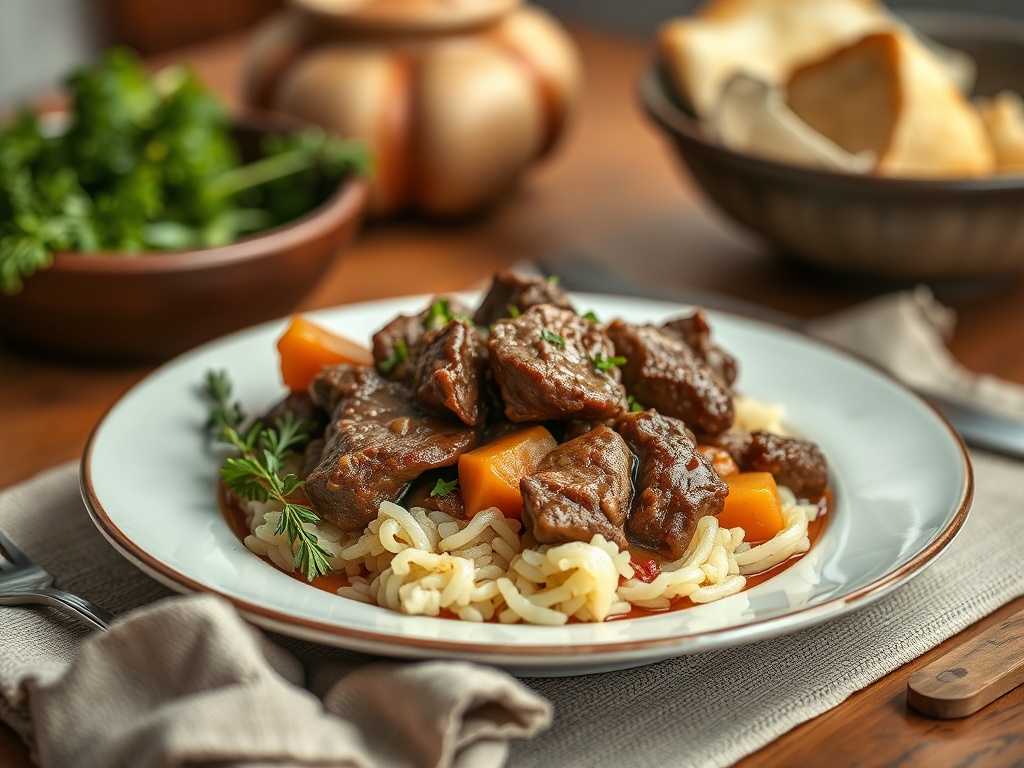
Would you eat this old-fashioned beef stew? The question itself conjures images of cozy kitchens, steaming bowls, and the comforting embrace of a meal that feels like a warm hug. This isn’t just any beef stew; it’s a journey back to the heart of home cooking, a culinary tradition passed down through generations. Imagine walking into a house filled with the rich, savory aroma of slow-simmering beef, tender vegetables, and aromatic herbs. That’s the promise of this dish: a sensory experience that transcends mere sustenance, offering warmth, nostalgia, and deeply satisfying flavors. It’s a testament to the power of simple ingredients, transformed by time and care into something truly extraordinary.
What makes an old-fashioned beef stew so irresistible? It’s the “why” behind its enduring popularity: simplicity, robust flavor, and time-tested goodness. This recipe celebrates the foundational techniques that elevate humble cuts of meat and root vegetables into a symphony of taste. We’re talking about the magic of the Maillard reaction, the slow dance of collagen breaking down into gelatin, and the layered flavors that develop over hours of gentle simmering. This isn’t just a meal; it’s an act of culinary devotion, promising a dish so profoundly comforting and delicious, you’ll wonder why you ever settled for anything less. And yes, you absolutely *should* eat it.
This particular recipe elevates the classic by focusing on specific techniques and ingredient quality, ensuring every spoonful is packed with depth and tenderness. We’ll delve into the secrets of achieving perfectly browned beef, the art of deglazing, and the precise timing for adding vegetables to maintain their integrity. Forget bland, watery stews; prepare for a rich, hearty, and deeply flavorful experience that will become a staple in your home. Get ready to rediscover the timeless appeal of a dish that truly nourishes the soul.
Nutritional Information
Per serving (approximate values):
- Calories: 550 kcal
- Protein: 45g
- Carbohydrates: 35g
- Fat: 28g
- Fiber: 6g
- Sodium: 850mg
Ingredients
- 2 tablespoons olive oil, divided
- 2.5 pounds beef chuck roast, trimmed and cut into 1.5-inch cubes
- 1 teaspoon salt, plus more to taste
- 1/2 teaspoon black pepper, plus more to taste
- 1/4 cup all-purpose flour
- 2 medium yellow onions, chopped
- 4 cloves garlic, minced
- 6 cups beef broth, high quality
- 1 cup dry red wine (such as Cabernet Sauvignon or Merlot), optional
- 1 (14.5 ounce) can diced tomatoes, undrained
- 2 tablespoons tomato paste
- 2 bay leaves
- 1 teaspoon dried thyme
- 1 tablespoon Worcestershire sauce
- 1.5 pounds carrots, peeled and cut into 1-inch pieces
- 1.5 pounds Yukon Gold potatoes, peeled and cut into 1.5-inch cubes
- 1/4 cup fresh parsley, chopped, for garnish
Instructions
- Prepare the Beef: Pat the beef chuck cubes very dry with paper towels. Season liberally with 1 teaspoon salt and 1/2 teaspoon black pepper. In a shallow dish, toss the seasoned beef with 1/4 cup all-purpose flour until evenly coated. This flour dredge will help create a beautiful crust and thicken the stew later.
- Brown the Beef: Heat 1 tablespoon of olive oil in a large Dutch oven or heavy-bottomed pot over medium-high heat until shimmering. Working in batches to avoid overcrowding the pan, add the beef cubes and sear until deeply browned on all sides, about 3-4 minutes per side. Overcrowding will steam the meat instead of browning it, so ensure there’s space between pieces. Remove the browned beef to a plate and set aside. Repeat with the remaining beef, adding the second tablespoon of olive oil if needed.
- Sauté Aromatics: Reduce the heat to medium. Add the chopped onions to the same pot, scraping up any browned bits from the bottom of the pan. Cook until softened and translucent, about 5-7 minutes. Add the minced garlic and cook for another minute until fragrant, being careful not to burn it.
- Deglaze the Pan: If using, pour in the red wine. Bring to a simmer, scraping the bottom of the pot with a wooden spoon to release all the delicious browned bits (fond) that are stuck to the bottom. This step is crucial for building deep flavor. Let the wine simmer for 2-3 minutes, allowing some of the alcohol to cook off.
- Build the Stew Base: Stir in the tomato paste and cook for 1 minute, stirring constantly. Add the beef broth, diced tomatoes (undrained), bay leaves, dried thyme, and Worcestershire sauce. Return the browned beef and any accumulated juices from the plate to the pot. Bring the liquid to a gentle simmer.
- Slow Simmer (Stovetop or Oven): Once simmering, reduce the heat to low, cover the pot tightly, and cook for 1.5 hours. Alternatively, you can transfer the covered Dutch oven to a preheated oven at 325°F (160°C) and cook for 1.5 hours. The long, slow cooking breaks down the tough collagen in the chuck roast, making the meat incredibly tender and adding body to the sauce.
- Add Vegetables: After 1.5 hours, carefully remove the lid. Add the carrots and potatoes to the pot, submerging them in the liquid as much as possible. Stir gently. Return the lid and continue to simmer (or bake in the oven) for another 45-60 minutes, or until the vegetables are fork-tender and the beef is melt-in-your-mouth tender.
- Final Seasoning and Rest: Remove the bay leaves. Taste the stew and adjust seasoning with additional salt and pepper as needed. If the stew is too thin, you can uncover it and simmer for an additional 10-15 minutes to allow it to reduce slightly. If it’s too thick, add a splash more beef broth. Let the stew rest off the heat for 10-15 minutes before serving to allow the flavors to meld and the sauce to settle.
- Serve: Ladle the hearty old-fashioned beef stew into bowls. Garnish generously with fresh chopped parsley before serving.
Cooking Tips and Variations
Achieving the perfect old-fashioned beef stew is all about attention to detail and understanding the ingredients. First and foremost, do not overcrowd the pan when browning the beef. This is perhaps the most crucial step for flavor development. Working in batches ensures that each piece of meat gets a proper sear and develops that rich, savory crust from the Maillard reaction. If you pile too much meat into the pot, it will steam rather than brown, leading to a less flavorful stew. Seasoning in layers is another key to depth; season the beef before browning, then season the aromatics, and finally, adjust the seasoning of the whole stew at the very end. This builds flavor from the ground up.
For tender beef, the secret lies in a low, slow simmer. A gentle simmer, not a rolling boil, is paramount for breaking down the tough connective tissues in chuck roast into luscious gelatin, resulting in incredibly tender meat and a rich, unctuous sauce. Cutting your vegetables uniformly ensures they cook evenly. For a stew, slightly larger chunks of carrots and potatoes are generally preferred as they hold up better during the long cooking process without turning to mush. Don’t rush the process; the magic of stew happens over time.
If your stew is too thin at the end, you can simmer it uncovered for a bit longer to reduce. If it’s too thick, simply add a bit more beef broth until it reaches your desired consistency. While a flour dredge works perfectly here, a cornstarch slurry (1 tablespoon cornstarch mixed with 2 tablespoons cold water) can be stirred in at the end if you need a quicker thickening solution, but for an “old-fashioned” texture, the initial flour dredge and slow reduction are ideal. Always taste, taste, taste throughout the cooking process – it’s the most important tip! Adjust seasonings like salt, pepper, and herbs, and remember that a touch of acidity from the red wine, diced tomatoes, or Worcestershire sauce helps to balance the richness of the beef.
For variations, feel free to experiment with different root vegetables; parsnips or celery root can add an interesting earthy sweetness. For herbs, a sprig of fresh rosemary can be added along with the thyme and bay leaf for a more pungent aroma. If you enjoy a hint of spice, a pinch of smoked paprika can be added with the onions for a subtle smoky depth. This recipe is also highly adaptable to a slow cooker or Instant Pot. For a slow cooker, brown the beef and sauté the aromatics as instructed, then combine all ingredients in the slow cooker and cook on low for 6-8 hours or on high for 3-4 hours, adding vegetables in the last 1.5-2 hours. For an Instant Pot, use the sauté function for browning and aromatics, then pressure cook on high for 35-40 minutes with a natural release, adding vegetables after the beef is cooked and pressure cooking for another 5-7 minutes.
Finally, consider a “finishing touch” that can elevate the stew even further. A knob of unsalted butter stirred in at the very end, just before serving, can add a luxurious richness and a beautiful sheen to the sauce. Similarly, a swirl of good quality extra virgin olive oil can enhance the overall flavor profile. These small additions can make a big difference in the final presentation and taste of your old-fashioned beef stew.
Storage and Reheating
Old-fashioned beef stew is one of those magical dishes that often tastes even better the next day, as the flavors have more time to meld and deepen. To store leftovers, allow the stew to cool completely to room temperature (this usually takes 1-2 hours) before transferring it to airtight containers. Refrigerate promptly within 2 hours of cooking. The stew will keep well in the refrigerator for up to 3-4 days.
For longer storage, beef stew freezes beautifully. Once cooled, transfer the stew to freezer-safe containers or heavy-duty freezer bags. If using bags, lay them flat to freeze for easy stacking. Frozen stew can be stored for up to 2-3 months. Thaw frozen stew overnight in the refrigerator before reheating.
To reheat, transfer the desired portion of stew to a saucepan or microwave-safe bowl. On the stovetop, reheat over medium-low heat, stirring occasionally, until heated through. You may need to add a splash of beef broth or water if the stew has thickened too much. In the microwave, heat in 1-2 minute intervals, stirring between each interval, until hot. Ensure the stew reaches an internal temperature of 165°F (74°C) for safe consumption. Avoid boiling vigorously when reheating, as this can break down the vegetables and make the beef tougher. Gentle reheating preserves the texture and flavor.
Frequently Asked Questions
Why is my beef stew meat tough?
Tough beef in stew is usually due to two main reasons: not cooking it long enough or cooking it at too high a temperature. Cuts like chuck roast, while flavorful, are tough because they contain a lot of connective tissue (collagen). This collagen needs a long, slow cooking time at a gentle simmer to break down into gelatin, which makes the meat incredibly tender. If you rush the process or boil the stew vigorously, the meat will seize up and become tough. Ensure your stew maintains a gentle simmer (small bubbles, not a rolling boil) for the full recommended cooking time, or even longer if needed, until the beef shreds easily with a fork.
Can I make this stew in a slow cooker?
Absolutely! This old-fashioned beef stew recipe is perfectly suited for a slow cooker. You’ll still want to perform the initial browning of the beef and sautéing of the aromatics (onions, garlic) on the stovetop first, as these steps are crucial for developing deep flavor that a slow cooker alone can’t achieve. After browning and deglazing, transfer all ingredients (beef, onions, garlic, broth, wine, tomatoes, seasonings) to your slow cooker. Cook on low for 6-8 hours or on high for 3-4 hours. Add the carrots and potatoes during the last 1.5 to 2 hours of cooking to ensure they become tender without turning mushy. Adjust seasoning before serving.
What’s the best way to thicken my beef stew?
This recipe uses a flour dredge on the beef, which naturally thickens the stew as it cooks. This is a classic “old-fashioned” method. If you find your stew isn’t thick enough at the end, you have a few options. You can simply remove the lid and simmer it uncovered for an additional 10-15 minutes, allowing excess moisture to evaporate and the sauce to reduce. Alternatively, you can create a cornstarch slurry by mixing 1 tablespoon of cornstarch with 2 tablespoons of cold water until smooth, then stirring it into the simmering stew and cooking for a few minutes until it thickens. For a richer thickening, you could also mash a portion of the cooked potatoes and stir them back into the stew.