Instructions
- Ensure your strawberries are thoroughly frozen. If using fresh strawberries, spread them in a single layer on a baking sheet lined with parchment paper and freeze for at least 4-6 hours, or until solid.
- Add the frozen strawberries to the bowl of a powerful food processor or a high-speed blender.
- Add the plain unsweetened full-fat Greek yogurt on top of the frozen strawberries.
- Begin to process or blend the mixture. Start with short pulses to break down the frozen strawberries, then continue processing.
- You may need to stop and scrape down the sides of the bowl or use a tamper (if your blender has one) to push the ingredients towards the blades. The mixture will initially look crumbly, then gradually come together.
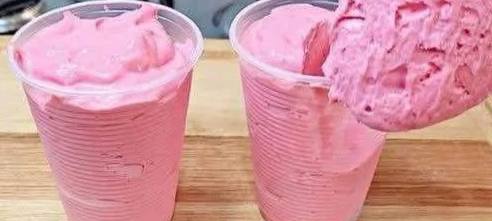
- Continue processing until the mixture is completely smooth and creamy, resembling soft-serve ice cream. This can take anywhere from 3-7 minutes, depending on the power of your appliance. Be patient; it will get there!
- Once smooth, immediately serve the frozen yogurt as a soft-serve consistency.
- If you prefer a firmer consistency, transfer the mixture to a freezer-safe container, cover it tightly, and freeze for an additional 1-2 hours.
- Before serving from the freezer, allow it to sit at room temperature for 5-10 minutes to soften slightly for easier scooping.
Cooking Tips and Variations
For the absolute best results with your 2-Ingredient Low Carb Strawberry Frozen Yogurt, consider these cooking tips and exciting variations. Firstly, the quality of your ingredients truly matters. Opt for ripe, sweet strawberries if you’re freezing them yourself, as this will enhance the natural sweetness of the final product. When selecting Greek yogurt, always go for full-fat and unsweetened. The full-fat content contributes significantly to the creamy texture, preventing the frozen yogurt from becoming too icy, while unsweetened gives you control over any added sweeteners. If you prefer a sweeter treat and are not strictly avoiding all sweeteners, a few drops of liquid stevia, erythritol, or monk fruit sweetener can be added during the blending process. Start with a small amount, blend, taste, and add more if needed.
The key to a perfectly smooth texture lies in your blending equipment. A high-speed blender or a powerful food processor is highly recommended. If your appliance struggles, you might need to add a tablespoon or two of unsweetened almond milk or water to help it along, but add sparingly to avoid diluting the flavor or making it too thin. Don’t be afraid to stop and scrape down the sides of the blender or food processor bowl multiple times to ensure all ingredients are incorporated evenly. The transition from crumbly to smooth can seem slow, but patience will be rewarded with a silky, scoopable texture.
For variations, the possibilities are nearly endless! While strawberries are classic, feel free to experiment with other low-carb berries like raspberries, blueberries, or a mixed berry blend. Just ensure they are frozen solid. For an extra layer of flavor, a teaspoon of pure vanilla extract added during blending can elevate the taste profile beautifully. A pinch of fresh mint or a squeeze of lime juice can add a refreshing zing. If you enjoy a bit of crunch, consider stirring in some finely chopped low-carb nuts like almonds or walnuts, or sugar-free chocolate chips after the blending process, just before serving or freezing. For a protein boost, you could even try blending in a scoop of unflavored or vanilla-flavored low-carb protein powder, though this might slightly alter the texture and require a little more liquid to achieve smoothness.
To achieve the best scoopable consistency, especially if you’re freezing it for later, remember the “thaw time.” If your frozen yogurt becomes rock-hard after a few hours or overnight in the freezer, simply let it sit on the countertop for 10-15 minutes before attempting to scoop. This brief thaw will soften it to the perfect consistency, making it easy to portion out. For an even creamier result when freezing, you can stir the mixture every 30-45 minutes during the first hour of freezing to break up ice crystals. This technique, similar to making traditional ice cream without a machine, helps maintain a smoother texture. Finally, don’t be afraid to make a double batch! This frozen yogurt is so good, it disappears quickly, and having a ready supply in the freezer is always a good idea for those unexpected dessert cravings.
Storage and Reheating
Storing your 2-Ingredient Low Carb Strawberry Frozen Yogurt properly is key to maintaining its delicious taste and texture for future enjoyment. Immediately after blending and serving any soft-serve portions, transfer any remaining frozen yogurt into an airtight, freezer-safe container. Glass containers with tight-fitting lids or sturdy plastic containers work best. Ensure the container is filled as much as possible to minimize air exposure, which can lead to freezer burn and ice crystal formation. Press a piece of plastic wrap directly onto the surface of the frozen yogurt before sealing the container to create an extra barrier against air. This will help preserve its creamy texture and fresh strawberry flavor. Stored correctly, your homemade low-carb strawberry frozen yogurt will keep well in the freezer for up to 2-3 weeks. While it might technically last longer, the quality and texture are best within this timeframe. Beyond that, it might start to develop more ice crystals and lose some of its original creaminess.
When it comes to “reheating” frozen yogurt, it’s more about softening than actual reheating. Frozen yogurt, by its nature, is a cold dessert and is not meant to be heated. If you’ve stored your frozen yogurt in the freezer for an extended period, it will likely be quite firm, similar to a block of ice cream. To bring it back to a scoopable, enjoyable consistency, simply remove the container from the freezer and let it sit at room temperature for approximately 10-20 minutes, depending on the ambient temperature of your kitchen and how hard it is. You can also place it in the refrigerator for about 30-60 minutes for a more gradual softening. The goal is to allow it to soften just enough so that you can easily scoop it with a spoon, but not so much that it melts into a liquid. Avoid using a microwave to soften it, as this can lead to uneven melting and a loss of the desired texture. If you’re in a hurry, you can try scraping the surface with a spoon to create small flakes that soften more quickly. Once softened to your liking, scoop and enjoy! Remember to return any unused portions to the freezer promptly to maintain their cold temperature and prevent excessive melting.
Frequently Asked Questions
Can I use non-fat Greek yogurt for this recipe?
While you can use non-fat Greek yogurt, it’s highly recommended to use full-fat Greek yogurt for the best results. Full-fat yogurt contributes to a much creamier texture and helps prevent the frozen yogurt from becoming too icy. Non-fat versions tend to produce a harder, icier texture due to the lack of fat content.
Do I have to use frozen strawberries, or can I use fresh?
You absolutely must use frozen strawberries for this recipe. The frozen strawberries are what provide the necessary coldness and bulk to create the instantaneous frozen yogurt texture when blended. If you use fresh strawberries, you will end up with a strawberry smoothie or a very loose, unfrozen mixture that will require significant freezing time afterward to solidify.
How can I make this sweeter without adding sugar?
To sweeten your low-carb strawberry frozen yogurt without adding sugar, you can incorporate a few drops of a liquid low-carb sweetener such as liquid stevia, erythritol, or monk fruit extract during the blending process. Start with a small amount, blend, and taste, adding more gradually until you reach your desired level of sweetness. Alternatively, ensuring your strawberries are very ripe and naturally sweet can also reduce the need for added sweeteners.
What if my frozen yogurt is too hard after freezing?
If your frozen yogurt becomes too hard after being in the freezer, simply remove it from the freezer and let it sit at room temperature for 10-15 minutes before serving. This will allow it to soften slightly, making it much easier to scoop and enjoy. You can also place it in the refrigerator for a slightly longer period (30-60 minutes) for a more gradual softening.