Introduction
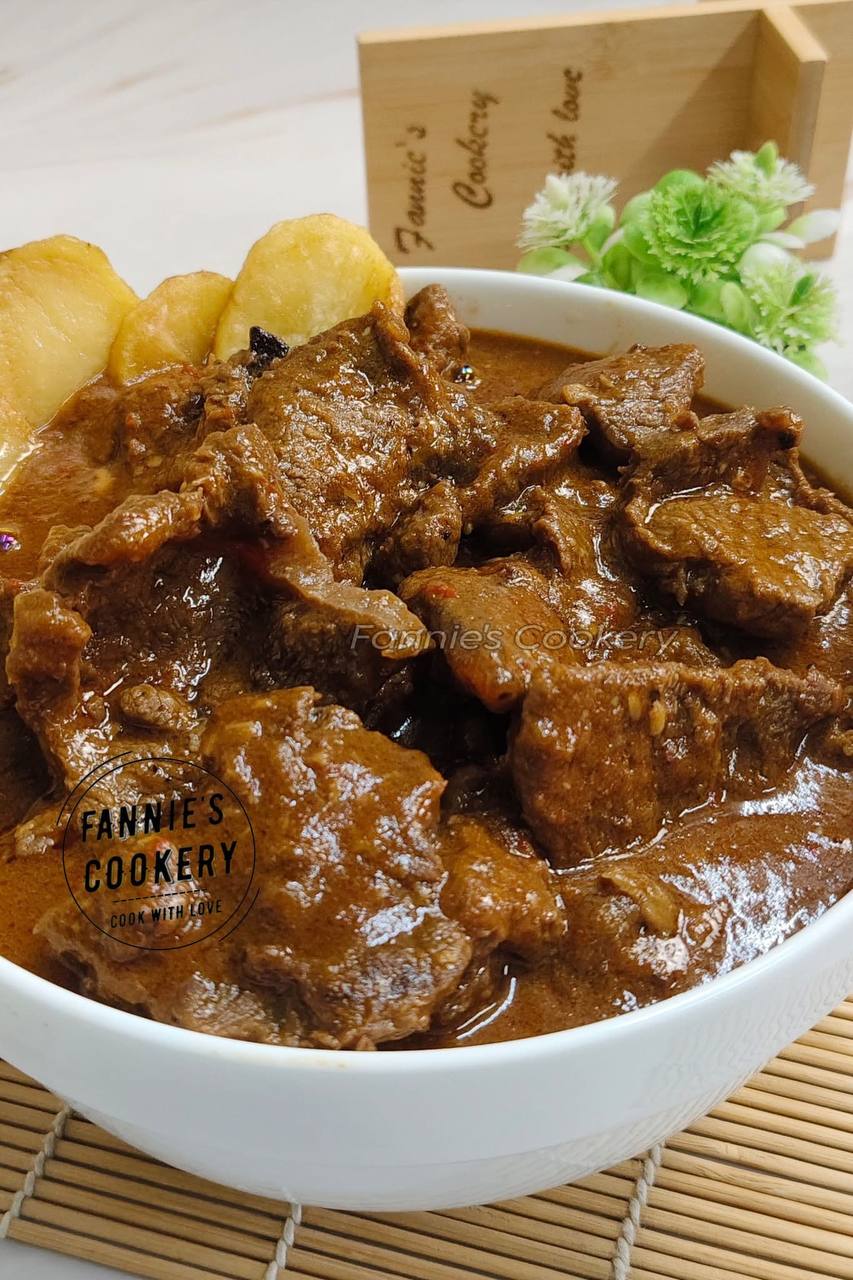
There are dishes that simply feel like a warm embrace, a culinary hug that transports you to cherished memories and comforting flavors. For many, Beef Asado is exactly that dish. A beloved staple in Filipino and Chinese-Filipino households, this savory-sweet braised beef is the epitome of comfort food. It’s a dish that speaks of slow-cooked tenderness, rich, aromatic sauces, and the simple joy of a hearty meal shared with loved ones. While its roots may be traced back to Spanish influences, Beef Asado has been lovingly adapted and perfected over generations in the Philippines, becoming a unique and deeply satisfying creation all its own.
What makes *my* version of Beef Asado truly special? It’s a harmonious blend of traditional flavors with a touch of personal refinement, focusing on achieving that perfect balance between the savory depth of soy sauce, the delicate tang of vinegar, and the mellow sweetness of brown sugar, all while ensuring the beef melts in your mouth. I’ve found that incorporating a subtle hint of star anise adds an incredible layer of warmth and complexity without overpowering the dish, elevating it beyond the everyday. Plus, the way the potatoes soak up all that glorious sauce? Irresistible. Get ready for tender, succulent beef bathed in a glossy, deeply flavorful sauce that is absolutely perfect served over a mound of steaming white rice.
This isn’t just a recipe; it’s an invitation to experience a taste of home, a dish designed to bring warmth and satisfaction to your table. Whether you’re a seasoned cook or just starting your culinary journey, my Beef Asado is approachable, incredibly rewarding, and guaranteed to become a new favorite. So, roll up your sleeves, gather your ingredients, and prepare to create a Beef Asado that will impress and delight everyone lucky enough to try it.
Nutritional Information
Per serving (approximate values):
- Calories: 550
- Protein: 45g
- Carbohydrates: 40g
- Fat: 25g
- Fiber: 4g
- Sodium: 1200mg
Ingredients
- 2 lbs beef chuck, brisket, or sirloin, cut into 1/2-inch thick slices
- 2 tablespoons vegetable oil
- 1 large onion, thinly sliced
- 6 cloves garlic, minced
- 1/2 cup soy sauce (preferably Filipino brand like Silver Swan or Datu Puti)
- 1/4 cup cane vinegar (or apple cider vinegar)
- 1/2 cup packed light brown sugar
- 3 cups beef broth or water
- 2 bay leaves
- 2-3 whole star anise pods
- 1 teaspoon whole black peppercorns
- 1/2 teaspoon red chili flakes (optional, for a hint of heat)
- 2 large Yukon Gold potatoes, peeled and cut into 1-inch cubes
- Salt and freshly ground black pepper to taste
- 2 tablespoons cornstarch dissolved in 1/4 cup water (for thickening, if needed)
- Fresh scallions, chopped, for garnish
Instructions
- Prepare the Beef: Pat the beef slices dry with paper towels. Season generously with salt and black pepper on both sides.
- Sear the Beef: Heat 1 tablespoon of vegetable oil in a large Dutch oven or heavy-bottomed pot over medium-high heat. Once shimmering, add the beef slices in a single layer, working in batches if necessary to avoid overcrowding the pan. Sear for 2-3 minutes per side until beautifully browned. Remove the seared beef from the pot and set aside. Browning the beef is crucial for developing deep, rich flavor.
- Sauté Aromatics: Reduce the heat to medium. Add the remaining 1 tablespoon of vegetable oil (if needed). Add the sliced onions to the pot and sauté for 5-7 minutes until softened and translucent, scraping up any browned bits from the bottom of the pot. Add the minced garlic and cook for another 1-2 minutes until fragrant, being careful not to burn it.
- Build the Sauce: Pour in the soy sauce and vinegar. Bring to a simmer, scraping the bottom of the pot to deglaze and release all those flavorful fond bits. Add the brown sugar, beef broth (or water), bay leaves, star anise, whole black peppercorns, and optional red chili flakes. Stir well until the sugar is fully dissolved.
- Braise the Beef: Return the seared beef slices to the pot, ensuring they are mostly submerged in the liquid. Bring the liquid to a gentle simmer, then reduce the heat to low, cover the pot, and let it braise for 1.5 to 2 hours, or until the beef is fork-tender. Check periodically and add a little more water or broth if the liquid reduces too much.
- Add Potatoes: After the beef has been braising for about 1.5 hours (or when it’s nearly tender), add the cubed potatoes to the pot. Stir gently to submerge them in the sauce. Continue to simmer with the lid on for another 20-30 minutes, or until the potatoes are tender but not mushy.
- Adjust Seasoning and Consistency: Once the beef and potatoes are tender, taste the sauce. Adjust seasoning with salt, pepper, or a pinch more sugar/vinegar if desired, to achieve your preferred balance of savory, sweet, and tangy. If you prefer a thicker sauce, stir in the cornstarch slurry (2 tablespoons cornstarch dissolved in 1/4 cup water) slowly while simmering, until the sauce reaches your desired consistency. Let it simmer for another 2-3 minutes to cook out the cornstarch taste.
- Serve: Remove the bay leaves and star anise pods before serving. Ladle the hot Beef Asado generously over steamed white rice. Garnish with chopped fresh scallions.
Cooking Tips and Variations
For the Best Beef: While chuck is my go-to for its excellent marbling and tenderness when braised, you can also use brisket or a tougher cut of sirloin. Ensure you cut the beef against the grain for maximum tenderness. Marinating the beef in a little soy sauce and pepper for 30 minutes before searing can add another layer of flavor. Don’t rush the searing step; a good sear equals great flavor.
Balancing the Sauce: The key to a fantastic Beef Asado is the balance of flavors. If it’s too sweet, add a touch more vinegar or a pinch of salt. If it’s too tangy, more brown sugar will mellow it out. Too salty? A bit more water or broth can help. Taste and adjust until it’s perfect for your palate. The star anise adds a subtle, warm, licorice-like note that really elevates the dish; don’t skip it if you can help it!
Perfect Potatoes: Yukon Gold potatoes are ideal here because they hold their shape well while still becoming wonderfully tender and soaking up the sauce. Adding them later in the cooking process prevents them from turning into mush. If you prefer, you can lightly fry the potato cubes before adding them to the stew for an extra layer of texture and flavor.
Variations:
- Add Vegetables: Towards the end of cooking, you can add other vegetables like bell peppers (red and green for color), carrots, or even green beans.
- Spicier Kick: Increase the red chili flakes or add a small bird’s eye chili for more heat.
- Tomato Paste: Some versions include a tablespoon or two of tomato paste sautéed with the onions for a deeper umami and slightly richer color.
- Slow Cooker Method: After searing the beef and sautéing aromatics, combine all ingredients (except cornstarch slurry and scallions) in a slow cooker. Cook on low for 6-8 hours or on high for 3-4 hours, until beef is tender. Add potatoes during the last 1.5-2 hours. Thicken with cornstarch slurry if desired before serving.
- Pressure Cooker Method: Follow steps 1-4. Bring to a simmer, then seal the pressure cooker. Cook on high pressure for 30-40 minutes for chuck, then natural release. Add potatoes and cook for another 5-7 minutes under pressure, quick release. Thicken as needed.
Storage and Reheating
Storage: Leftover Beef Asado stores beautifully. Allow the dish to cool completely to room temperature, then transfer it to an airtight container. It can be stored in the refrigerator for up to 3-4 days. For longer storage, Beef Asado freezes exceptionally well. Transfer to freezer-safe containers or heavy-duty freezer bags, leaving some headspace. It can be frozen for up to 2-3 months. Thaw overnight in the refrigerator before reheating.
Reheating:
- Stovetop: The best way to reheat Beef Asado is gently on the stovetop. Transfer the desired portion to a saucepan or pot. Add a splash of water or beef broth if the sauce has thickened too much. Heat over medium-low heat, stirring occasionally, until heated through. This method helps maintain the texture of the beef and potatoes.
- Microwave: For individual servings, Beef Asado can be reheated in the microwave. Place in a microwave-safe dish, cover loosely, and heat on medium power in 1-2 minute intervals, stirring in between, until hot. Be mindful that potatoes can sometimes become a bit softer when microwaved.
One of the wonderful things about braised dishes like Asado is that the flavors often meld and deepen even further after a day or two in the refrigerator, making leftovers arguably even more delicious than the freshly cooked meal.
Frequently Asked Questions
Can I use a different cut of beef?
Yes, absolutely! While beef chuck is highly recommended for its tenderness and flavor when braised, you can also use brisket, beef short ribs, or even a tougher cut of sirloin. The key is to choose a cut with good marbling that benefits from long, slow cooking to become tender.
What if I don’t have cane vinegar?
Cane vinegar offers a unique, slightly milder tang. If you don’t have it, apple cider vinegar is an excellent substitute as it provides a similar fruity acidity. White vinegar can also be used, but start with a slightly smaller amount as it can be more potent, and adjust to taste.
How can I make the sauce thicker without cornstarch?
If you prefer not to use cornstarch, you can simply reduce the sauce by simmering it uncovered for a longer period after the beef and potatoes are cooked. This will allow the liquid to evaporate, naturally thickening the sauce. Alternatively, you can mash a few of the cooked potatoes in the sauce to help thicken it, adding a creamy texture.
Can I prepare this dish ahead of time for a party?
Beef Asado is an ideal make-ahead dish! In fact, many people find that the flavors are even better the next day as they have more time to meld and develop. You can cook the entire dish a day or two in advance, store it in the refrigerator, and then gently reheat it on the stovetop before serving. This makes it perfect for entertaining.