Introduction
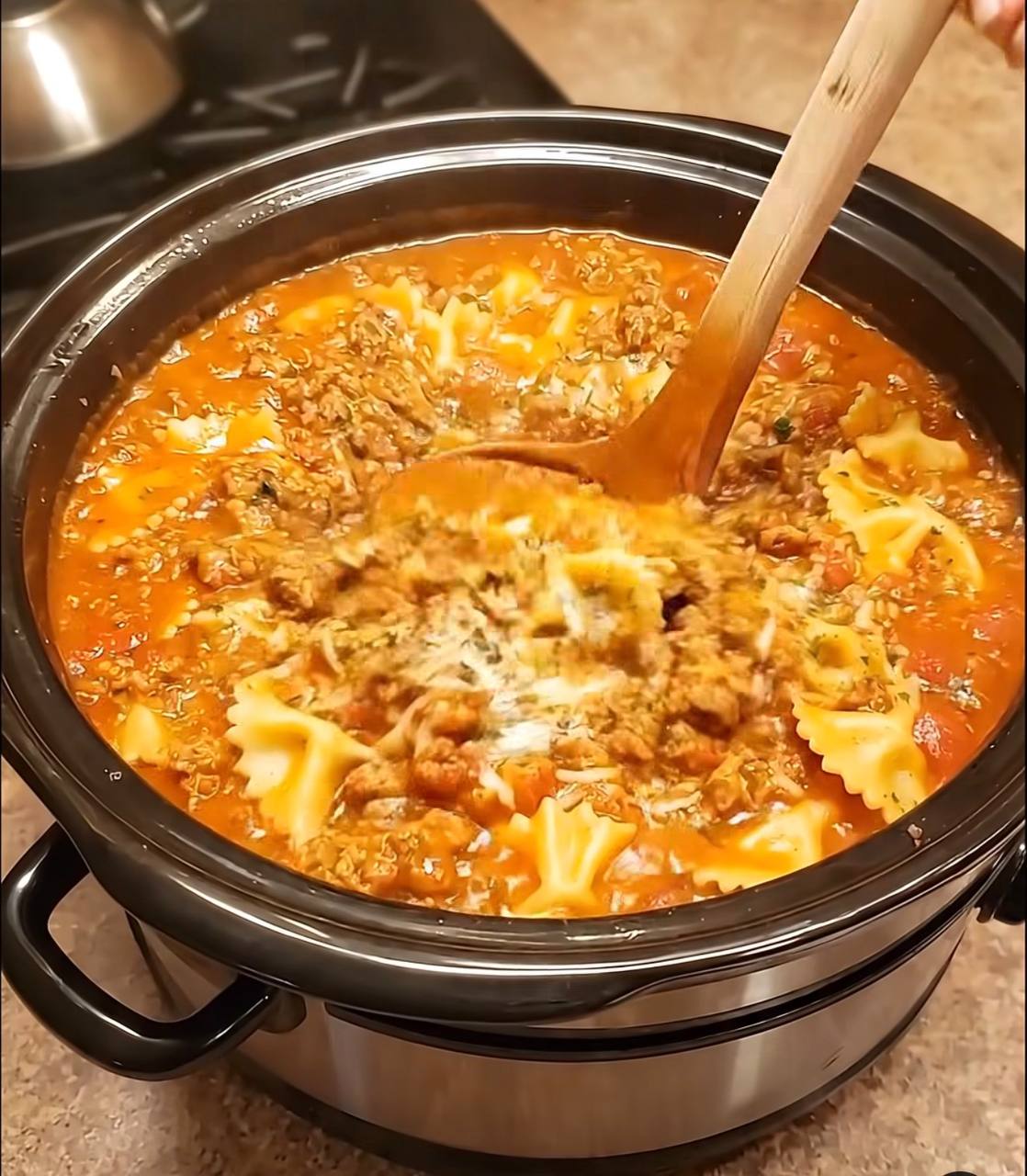
Imagine the hearty, cheesy, and deeply satisfying flavors of your favorite lasagna, but without the painstaking layering, the lengthy baking time, or the intimidating cleanup. That, my friends, is the magic of Lasagna Soup – a deconstructed classic that brings all the comfort of Italian-American cuisine right into your bowl. This isn’t just a weeknight meal; it’s a warm embrace on a chilly evening, a culinary shortcut to pure coziness, and a testament to how brilliant comfort food can be when simplified. We’re talking rich tomato sauce, savory ground meat, tender pasta, and a dreamy blend of cheeses, all simmering together in one glorious pot (or, in our case, a slow cooker) to create a symphony of flavors that will have everyone asking for seconds.
The beauty of Lasagna Soup lies in its ingenious approach to a beloved dish. Traditional lasagna, while undeniably delicious, often feels like a special occasion endeavor due to its labor-intensive nature. This soup strips away the fuss, transforming those familiar components into a convenient, “set it and forget it” slow cooker masterpiece. It delivers that same robust, Italian-inspired taste profile – the tangy sweetness of tomatoes, the aromatic herbs, the satisfying chew of meat, and the creamy indulgence of cheese – but in a format that’s perfect for busy schedules, family dinners, or even meal prepping for the week ahead. It’s truly all the flavor, none of the fuss, making it an instant favorite for anyone craving comfort without the culinary commitment.
Get ready to transform your kitchen into an Italian trattoria with minimal effort. Our slow cooker Lasagna Soup recipe is designed to maximize flavor while minimizing your time at the stove. It’s perfect for those days when you want a home-cooked meal but don’t have hours to spend. The slow cooker works its magic, tenderizing the meat and melding the flavors into a rich, aromatic broth, leaving you free to tackle other tasks. When it’s time to eat, a quick stir, the addition of pasta and fresh cheeses, and you’re ready to dive into a bowl of pure, unadulterated comfort. This is more than just a soup; it’s a deliciously simplified lifestyle choice.
Nutritional Information
Per serving (approximate values):
- Calories: 480
- Protein: 35g
- Carbohydrates: 40g
- Fat: 20g
- Fiber: 6g
- Sodium: 950mg
Ingredients
- 1 tablespoon olive oil
- 1 pound lean ground beef or Italian sausage (mild or hot)
- 1 large yellow onion, chopped
- 4 cloves garlic, minced
- 1 (28 ounce) can crushed tomatoes
- 1 (15 ounce) can tomato sauce
- 1 (14.5 ounce) can diced tomatoes, undrained
- 4 cups beef or vegetable broth
- 1/2 cup water
- 2 teaspoons dried Italian seasoning
- 1 teaspoon dried basil
- 1/2 teaspoon dried oregano
- 1/4 teaspoon red pepper flakes (optional, for a little heat)
- 1 teaspoon salt, or to taste
- 1/2 teaspoon black pepper, or to taste
- 6 ounces farfalle (bow-tie) pasta, or broken lasagna noodles
- 1 cup ricotta cheese
- 1/2 cup grated Parmesan cheese, plus more for serving
- 1 cup shredded mozzarella cheese
- 1/4 cup fresh parsley, chopped, for garnish
Instructions
- Brown the Meat: Heat the olive oil in a large skillet over medium-high heat. Add the ground beef (or sausage) and onion. Cook, breaking up the meat with a spoon, until the meat is browned and the onion is softened, about 8-10 minutes. Drain off any excess grease.
- Add Aromatics: Stir in the minced garlic and cook for another minute until fragrant.
- Combine in Slow Cooker: Transfer the browned meat and onion mixture to a 6-quart (or larger) slow cooker.
- Add Liquids and Seasonings: Pour in the crushed tomatoes, tomato sauce, diced tomatoes (undrained), beef broth, and water. Stir well to combine.
- Season the Soup: Add the Italian seasoning, dried basil, dried oregano, red pepper flakes (if using), salt, and black pepper. Stir everything together until well incorporated.
- Slow Cook: Cover the slow cooker and cook on low for 6-8 hours or on high for 3-4 hours. This allows the flavors to meld beautifully.
- Cook the Pasta: About 30-45 minutes before serving, stir the farfalle pasta into the soup. Increase the slow cooker setting to high if it’s not already, and continue to cook until the pasta is al dente (tender but still firm to the bite). If you prefer, you can cook the pasta separately on the stovetop according to package directions and stir it in at the very end to ensure it doesn’t get mushy.
- Stir in Cheeses: Once the pasta is cooked, stir in the shredded mozzarella cheese until it’s melted and creamy.
- Prepare Ricotta Topping: In a small bowl, gently mix the ricotta cheese with the 1/2 cup of grated Parmesan cheese. This will be dolloped onto individual servings.
- Serve: Ladle the hot Lasagna Soup into bowls. Top each serving with a generous dollop of the ricotta-Parmesan mixture and a sprinkle of fresh chopped parsley. Serve immediately with extra grated Parmesan cheese on the side.
Cooking Tips and Variations
For the best Lasagna Soup experience, attention to a few details can elevate your dish from good to unforgettable. First, don’t skip browning the meat and softening the onions and garlic before adding them to the slow cooker. This crucial step develops deep, savory flavors through the Maillard reaction, which simply won’t happen in the slow cooker alone. It’s the foundation of a rich, complex broth. When it comes to the pasta, timing is everything. Adding the pasta too early will result in a mushy, overcooked texture, and it will also absorb too much liquid, potentially making your soup too thick. Stirring it in during the last 30-45 minutes, or even cooking it separately and adding it right before serving, ensures perfectly al dente noodles. Always taste and adjust your seasonings before serving; a little extra salt, pepper, or a pinch more Italian seasoning can make a big difference. Remember that slow cooking can sometimes mellow out flavors, so a final adjustment is key.
Now, let’s talk variations! This recipe is incredibly adaptable. For a vegetarian version, swap the ground beef for plant-based ground crumbles, lentils, or a medley of finely chopped mushrooms (cremini and shiitake work wonderfully). You can also add extra vegetables like bell peppers, zucchini, or spinach for added nutrition and color; stir these in during the last hour of cooking so they don’t become overly soft. If you like a little heat, increase the red pepper flakes or add a dash of your favorite hot sauce. For an extra creamy soup, stir in 1/4 cup of heavy cream or a splash of milk along with the mozzarella cheese at the end. Don’t limit yourself to farfalle; broken lasagna noodles are classic, but rotini, penne, or even small shells would also work well. For an even more robust flavor, deglaze the skillet with a splash of red wine after browning the meat, scraping up any browned bits from the bottom, before adding it to the slow cooker. And for an ultra-cheesy experience, consider blending a small amount of cream cheese into your ricotta mixture for an even creamier dollop.
Storage and Reheating
Lasagna Soup is one of those magical dishes that often tastes even better the next day, making it perfect for meal prepping. To store leftovers, allow the soup to cool completely to room temperature. Transfer the soup to airtight containers. It will keep beautifully in the refrigerator for up to 3-4 days. If you cooked the pasta directly in the soup, be aware that it will continue to absorb liquid and may become softer over time, and the soup might thicken considerably. If you anticipate having a lot of leftovers, you might consider cooking the pasta separately and adding it to individual servings as needed to maintain optimal texture.
For longer storage, Lasagna Soup freezes exceptionally well. Again, ensure the soup is completely cooled. Transfer it to freezer-safe containers or heavy-duty freezer bags, leaving about an inch of headspace to account for expansion. It can be frozen for up to 2-3 months. If you froze the soup with the pasta already in it, the pasta might be a bit softer upon reheating, but the flavor will still be fantastic. For best results when freezing, consider adding the pasta fresh when reheating, or freezing the soup base separately from any cooked pasta.
Reheating is straightforward. From the refrigerator, simply transfer the desired amount to a saucepan and reheat gently over medium-low heat on the stovetop, stirring occasionally, until heated through. You can also microwave individual portions in a microwave-safe bowl, heating in 1-2 minute intervals, stirring between each, until hot. If the soup has thickened too much during storage, you can thin it out with a splash of extra broth or water until it reaches your desired consistency. When reheating from frozen, it’s best to thaw the soup in the refrigerator overnight first. Once thawed, reheat on the stovetop or in the microwave as described above. Always taste and adjust seasonings after reheating, as flavors can sometimes mellow or intensify.
Frequently Asked Questions
Can I make this Lasagna Soup vegetarian?
Absolutely! To make a delicious vegetarian Lasagna Soup, simply omit the ground beef or sausage. Instead, you can use a plant-based ground crumble, a cup of cooked brown or green lentils, or a mix of finely chopped mushrooms (like cremini and shiitake) sautéed with the onion and garlic. You can also add extra vegetables like diced zucchini, bell peppers, or a handful of fresh spinach during the last hour of cooking for more substance and nutrition. Ensure you use vegetable broth instead of beef broth to keep it fully vegetarian.
What kind of pasta works best in Lasagna Soup?
While our recipe specifically calls for farfalle (bow-tie) pasta, which holds its shape well and adds a nice visual appeal, many other pasta shapes work wonderfully. Broken lasagna noodles are a classic choice, giving it that authentic “lasagna” feel. Other great options include rotini, penne, cavatappi, or even small shells. The key is to choose a pasta that can stand up to simmering in the soup without becoming overly mushy, and to cook it for the appropriate time, ideally adding it towards the end of the slow cooking process or cooking it separately and stirring it in at serving time.
Can I prepare this soup on the stovetop instead of a slow cooker?
Yes, you can definitely make this Lasagna Soup on the stovetop for a quicker meal! After browning the meat, onion, and garlic in a large Dutch oven or soup pot, add all the remaining ingredients (crushed tomatoes, tomato sauce, diced tomatoes, broth, water, and seasonings). Bring the mixture to a simmer, then reduce the heat to low, cover, and let it simmer for at least 30-45 minutes to allow the flavors to meld. Then, stir in the pasta and cook according to package directions until al dente, typically 10-15 minutes. Finish by stirring in the mozzarella and serving with the ricotta mixture and parsley. The stovetop method will reduce the overall cooking time significantly, but the slow cooker allows for deeper flavor development with less hands-on time.
How can I prevent the pasta from getting mushy if I cook it directly in the slow cooker?
The best way to prevent mushy pasta when cooking directly in the slow cooker is to add it only during the last 30-45 minutes of the cooking cycle. Ensure your slow cooker is on the high setting during this time to maintain a good simmer, which helps the pasta cook evenly. Also, make sure there’s enough liquid in the soup, as pasta will absorb a considerable amount. If you notice the soup becoming too thick, you can add a little extra broth or water. Another effective strategy, especially if you plan on having leftovers, is to cook the pasta separately on the stovetop and stir it into individual bowls just before serving. This ensures perfect pasta texture every time, even with reheated soup.