Introduction
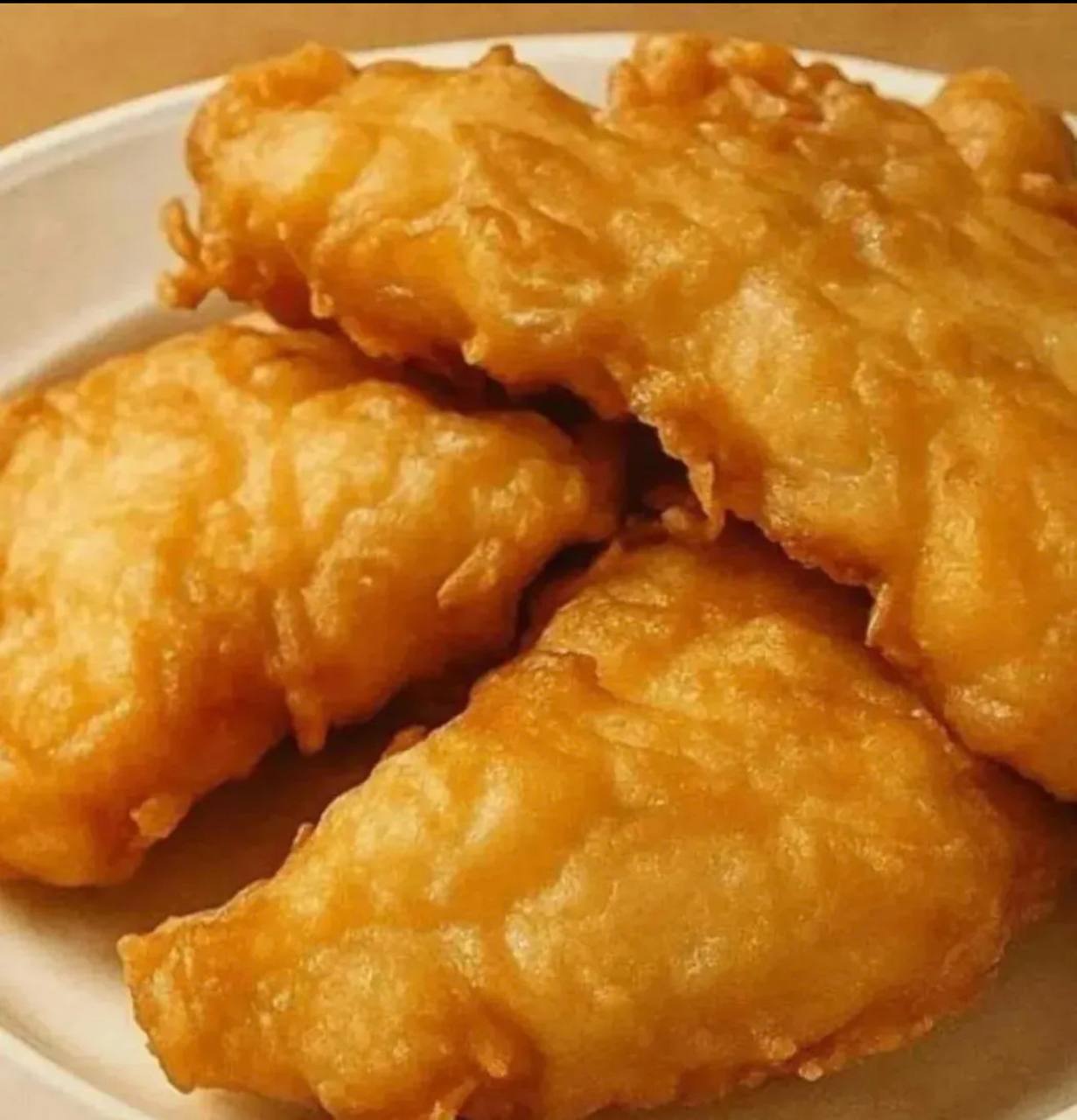
There’s something undeniably magical about biting into perfectly fried fish or chicken. That audible crunch, the tender, juicy interior, and the savory flavor that transports you straight to your favorite seaside shack or classic American diner. For many, the gold standard of this culinary delight comes from a familiar place: the iconic Long John Silver’s. Their batter is legendary—a distinctive, craggy, golden-brown coating that delivers an unparalleled crispiness without being overly thick or greasy. It’s the kind of crisp that stays with you, leaving a satisfying echo long after the last bite.
But what if you could recreate that legendary crispness and flavor right in your own kitchen? Imagine serving up plates of fish and chips or golden-fried chicken tenders that rival your favorite fast-food joint, all with the satisfaction of a homemade meal. This recipe for “Crispy Long John’s Silver Style Fish & Chicken Batter” is your ticket to achieving just that. We’ve cracked the code to that signature light, airy, and incredibly crunchy texture, ensuring every piece of fish or chicken emerges from the fryer perfectly coated and irresistibly delicious.
This isn’t just any batter; it’s a game-changer. Designed for ultimate versatility, it adheres beautifully to both delicate white fish and hearty chicken, promising a consistent, spectacular result every time. Get ready to elevate your home frying game and delight your family and friends with a batter that’s not only easy to make but delivers on its promise of golden-brown perfection and an unforgettable crunch. Prepare to make your kitchen the new go-to spot for crispy fried goodness!
Nutritional Information
Per serving (approximate values):
- Calories: 450
- Protein: 35g
- Carbohydrates: 30g
- Fat: 20g
- Fiber: 2g
- Sodium: 650mg
Ingredients
- 1 ½ cups all-purpose flour
- ½ cup cornstarch
- 1 tablespoon baking powder
- 1 teaspoon salt
- ½ teaspoon black pepper
- ½ teaspoon garlic powder
- ½ teaspoon onion powder
- ¼ teaspoon paprika (optional, for color and subtle flavor)
- 1 (12 ounce) can or bottle of very cold beer (lager or pilsner recommended) OR very cold club soda
- 1 large egg, lightly beaten (optional, for extra richness and adhesion)
- 2 pounds white fish fillets (cod, pollock, tilapia, or haddock) OR boneless, skinless chicken pieces (tenders, thighs, or breasts cut into 1-inch pieces)
- 6-8 cups neutral frying oil (vegetable, canola, or peanut oil), for deep frying
- Lemon wedges, for serving
- Tartar sauce, for serving
- Malt vinegar, for serving
Instructions
- Prepare Your Protein: If using fish, pat the fillets *very* dry with paper towels. This is crucial for batter adhesion and crispiness. Cut larger fillets into 3-4 inch portions. If using chicken, pat the pieces dry and ensure they are uniform in size for even cooking. Season both fish and chicken lightly with a pinch of salt and pepper. Set aside.
- Whisk Dry Ingredients: In a large mixing bowl, combine the all-purpose flour, cornstarch, baking powder, salt, black pepper, garlic powder, onion powder, and paprika (if using). Whisk thoroughly to ensure all ingredients are evenly distributed and there are no lumps.
- Prepare the Batter: Pour the very cold beer or club soda into the dry ingredients. If using, add the lightly beaten egg. Whisk gently until just combined. A few small lumps are perfectly fine; overmixing will develop gluten and can lead to a tougher batter. The batter should be the consistency of a thin pancake batter, easily coating the back of a spoon. If it’s too thick, add a tiny splash more cold liquid; if too thin, add a teaspoon of flour. Place the batter in the refrigerator for 10-15 minutes to keep it cold while you prepare the oil.
- Heat the Oil: Pour the frying oil into a deep fryer or a large, heavy-bottomed pot (like a Dutch oven). Attach a deep-fry thermometer to the side of the pot, ensuring it doesn’t touch the bottom. Heat the oil over medium-high heat until it reaches a stable temperature of 350-375°F (175-190°C). Maintaining the correct oil temperature is paramount for crispy, non-greasy results.
- Batter the Protein: Working in batches, retrieve a piece of fish or chicken from its seasoning. Dip it into the cold batter, ensuring it is fully coated. Allow any excess batter to drip off for a moment. You want a thin, even coating.
- Fry in Batches: Carefully lower the battered fish or chicken into the hot oil. Do not overcrowd the pot; fry only 2-3 pieces at a time to prevent the oil temperature from dropping too significantly. Overcrowding will lead to soggy, greasy food.
- Cook Until Golden: Fry the fish for approximately 5-7 minutes, or until it is deeply golden brown and cooked through. Chicken pieces will take slightly longer, about 6-8 minutes, or until the internal temperature reaches 165°F (74°C) and the exterior is a rich golden brown. Use a slotted spoon or spider to gently turn the pieces occasionally for even browning.
- Drain and Season: Once cooked, carefully remove the fried fish or chicken from the oil using the slotted spoon or spider. Transfer it to a wire rack placed over a baking sheet lined with paper towels. This allows excess oil to drain away and maintains crispiness. Immediately sprinkle lightly with an additional pinch of salt while still hot.
- Repeat and Serve: Continue frying in batches until all the fish or chicken is cooked. Allow the oil to return to the proper temperature between batches if it drops too low. Serve immediately with fresh lemon wedges, tartar sauce, and malt vinegar.
Cooking Tips and Variations
For the ultimate crispy batter success, paying attention to a few key details can make all the difference. First and foremost, the quality of your ingredients matters. Start with fresh, high-quality white fish or boneless, skinless chicken. Patting your protein *extremely* dry before battering is non-negotiable; any surface moisture will create steam, preventing the batter from adhering properly and resulting in a less crispy, potentially soggy coating. The batter consistency is also critical: it should be thin enough to coat evenly without being gloopy, but thick enough to cling to the food. Aim for a consistency similar to thin pancake batter. If your batter is too thick, your fried food will be doughy; too thin, and it won’t provide enough crunch or coverage.
Oil temperature is the most crucial factor for achieving that signature crispiness and preventing greasiness. Use a reliable deep-fry thermometer and keep the oil between 350-375°F (175-190°C). If the oil is too cool, the food will absorb too much oil and become greasy. If it’s too hot, the batter will burn before the interior is cooked through. Frying in small batches is essential. Overcrowding the pot drastically lowers the oil temperature, leading to less crispy results. Give each piece enough space to fry properly. Once fried, immediately transfer the food to a wire rack set over paper towels to drain excess oil. Do not place it directly on paper towels, as this can steam the bottom and make it soggy. Season your fried food immediately after it comes out of the oil; the hot surface allows the salt to adhere best.
For variations, consider adding a pinch of cayenne pepper or a dash of hot sauce to the batter for a spicy kick. You can also experiment with different types of beer; a darker stout might lend a slightly richer flavor, while a light lager keeps it classic. This versatile batter isn’t just for fish and chicken; try it with large shrimp, onion rings, dill pickles, or even sliced zucchini for a delicious fried vegetable side. For an extra light and airy texture, ensure your beer or club soda is as cold as possible, even pre-chilling your mixing bowl. Some home cooks swear by double-dredging: lightly coating the dry fish or chicken in a seasoned flour mixture before dipping it into the wet batter. This can help create an even craggier, more substantial crust, but it’s not strictly necessary for this recipe’s success. Don’t overmix the batter; a few lumps are fine and will actually help create a lighter, more irregular texture. Overmixing develops gluten, leading to a tougher batter.
Storage and Reheating
While fried food is always best enjoyed fresh, you can store and reheat any leftovers of Long John’s Silver style fish or chicken. To store, allow the fried food to cool completely to room temperature. This is important to prevent condensation, which can lead to sogginess. Once cooled, place the fish or chicken in an airtight container lined with paper towels to absorb any residual moisture. Store in the refrigerator for up to 2-3 days. For best results, avoid stacking pieces directly on top of each other if possible, or place a layer of paper towel between them.
Reheating fried food to its original crispy glory can be a challenge, but it’s certainly achievable with the right method. The microwave is generally not recommended, as it will make the batter soggy and chewy. The best way to reheat is in an oven or air fryer. To reheat in an oven, preheat your oven to 375°F (190°C). Place the leftover fish or chicken on a wire rack set over a baking sheet. This allows air to circulate around the food, promoting crispiness. Heat for 10-15 minutes, or until thoroughly heated through and the batter has crisped up again. For an air fryer, preheat to 375°F (190°C). Place the food in a single layer in the air fryer basket and heat for 5-8 minutes, checking periodically, until hot and crispy. The air fryer often yields the best results for reheating fried foods, mimicking the texture of fresh frying. Avoid overcrowding the air fryer basket to ensure even heating and crispiness. Always check that the food is heated to a safe internal temperature before serving.
Frequently Asked Questions
What makes this batter so crispy, like Long John Silver’s?
The secret lies in a combination of ingredients and techniques. The cornstarch helps achieve that extra crispness and light texture, while baking powder provides leavening, creating air pockets that contribute to the airy, craggy surface. Using very cold beer or club soda also plays a crucial role; the temperature difference with the hot oil creates a shock that locks in crispiness and prevents excessive oil absorption. The carbonation in the beer or club soda further aids in creating a light, bubbly texture, similar to a tempura batter. Finally, frying at the correct, consistent oil temperature is paramount.
Can I make this batter ahead of time?
While it’s best to use the batter freshly made for optimal crispiness due to the leavening agents, you can prepare the dry ingredients ahead of time and store them in an airtight container. When you’re ready to fry, simply add the cold liquid and egg (if using). If you absolutely must, you can mix the wet batter up to 30 minutes in advance and keep it chilled in the refrigerator, but be aware that it may lose some of its leavening power over time, potentially resulting in a slightly less airy texture.
What kind of oil is best for deep frying, and how do I know if it’s hot enough without a thermometer?
For deep frying, a neutral-flavored oil with a high smoke point is best. Good options include vegetable oil, canola oil, peanut oil, or sunflower oil. These oils won’t impart unwanted flavors and can withstand the high temperatures needed for frying. While a thermometer is highly recommended for accuracy, if you don’t have one, you can test the oil by dropping a tiny pinch of batter into it. If the batter immediately sizzles vigorously and floats to the surface, the oil is ready. If it just sinks and slowly bubbles, the oil isn’t hot enough. If it instantly burns and turns dark, the oil is too hot.