Introduction
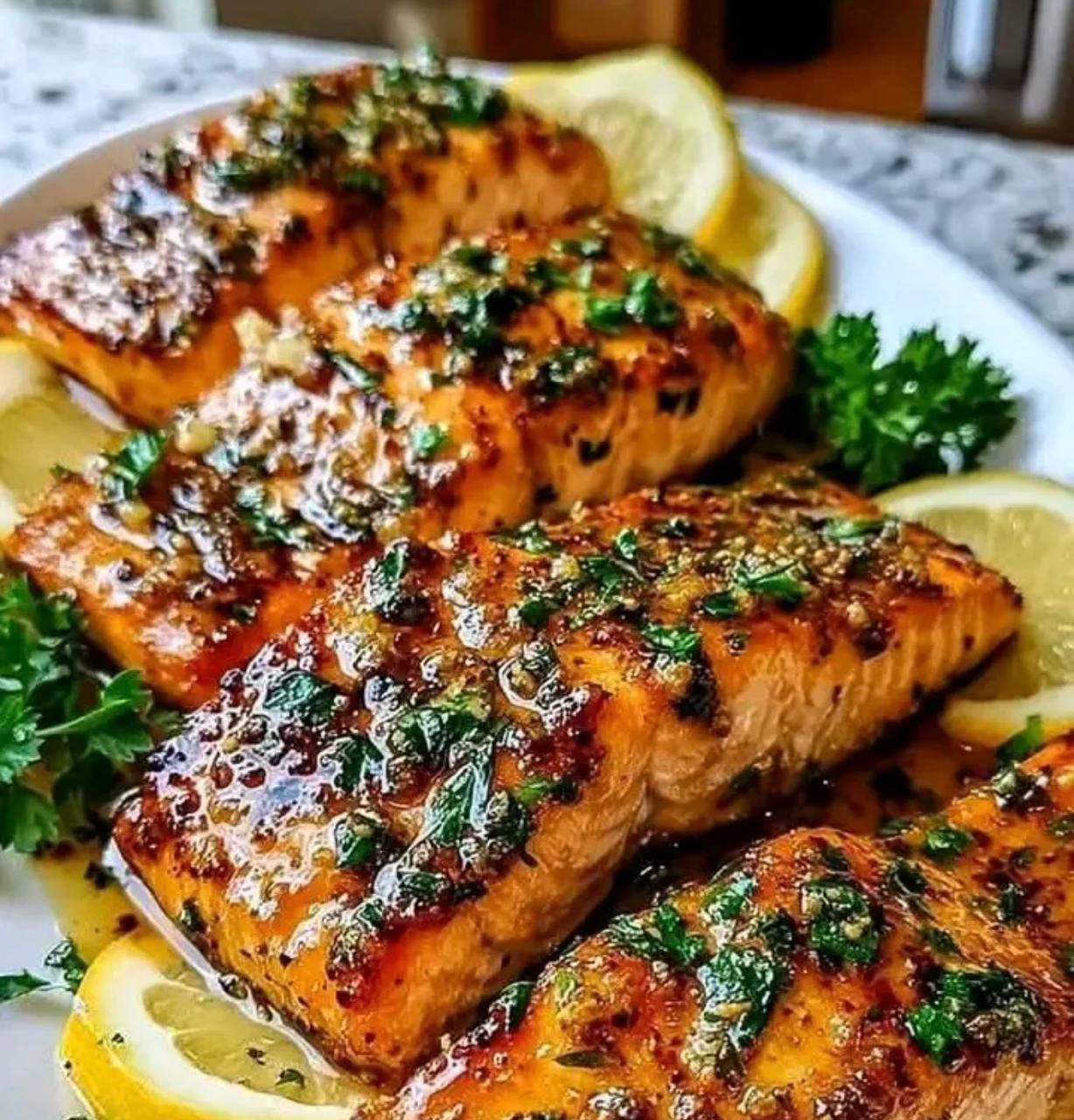
Prepare your taste buds for an extraordinary culinary journey with our Garlic Herb Butter Salmon! This dish isn’t just a meal; it’s an experience, transforming a simple salmon fillet into a masterpiece of flavor and aroma. Imagine succulent, flaky salmon, perfectly cooked and glistening with a rich, aromatic garlic and herb butter sauce. It’s a dish that looks as impressive as it tastes, making it ideal for a special occasion, yet it’s incredibly easy and quick to prepare, fitting seamlessly into your busiest weeknights. Say goodbye to bland dinners and hello to a vibrant, satisfying meal that will have everyone asking for seconds.
What makes this Garlic Herb Butter Salmon truly special is its incredible balance of flavors and textures. The natural richness of the salmon is beautifully complemented by the bright zest of lemon and the earthy notes of fresh herbs, all brought together by the irresistible allure of melted garlic butter. This recipe celebrates simplicity, using fresh, high-quality ingredients to create a dish that is both elegant and comforting. It’s a healthy powerhouse too, packed with Omega-3 fatty acids and lean protein, making it a smart choice for anyone looking to nourish their body without compromising on taste.
Whether you’re a seasoned chef or a kitchen novice, this recipe is designed for success. We’ll guide you through each step, ensuring that your salmon turns out perfectly cooked, moist, and bursting with flavor every single time. From selecting the best fillets to mastering the art of the herb butter, we’ve got you covered. Get ready to impress yourself and your loved ones with a dish that’s not just food, but a celebration of good taste and effortless elegance. Let’s dive into creating some culinary magic!
Nutritional Information
Per serving (approximate values):
- Calories: 390
- Protein: 35g
- Carbohydrates: 3g
- Fat: 27g
- Fiber: 0.5g
- Sodium: 450mg
Ingredients
- 4 (6-ounce) salmon fillets, skin-on or skinless
- 1/2 cup unsalted butter, melted
- 4 cloves garlic, minced
- 1/4 cup fresh parsley, finely chopped
- 1 tablespoon fresh dill, finely chopped (optional)
- 1 tablespoon fresh lemon juice, plus extra wedges for serving
- 1/2 teaspoon salt, or to taste
- 1/4 teaspoon black pepper, freshly ground, or to taste
- 1/4 teaspoon red pepper flakes (optional, for a touch of heat)
- 1 teaspoon dried oregano (optional, for added depth)
- 1 tablespoon olive oil (if searing)
Instructions
- Preheat your oven to 400°F (200°C) if baking, or prepare your skillet for searing over medium-high heat.
- Pat the salmon fillets thoroughly dry with paper towels. This step is crucial for achieving a good sear and preventing steaming.
- Season both sides of the salmon fillets generously with salt and black pepper. If using, sprinkle with dried oregano.
- In a small bowl, melt the unsalted butter. You can do this in the microwave or on the stovetop over low heat.
- Add the minced garlic, chopped fresh parsley, fresh dill (if using), red pepper flakes (if using), and fresh lemon juice to the melted butter. Stir well to combine, creating your aromatic herb butter sauce.
- If searing: Heat 1 tablespoon of olive oil in a large oven-safe skillet over medium-high heat until shimmering. Place the salmon fillets skin-side down (if skin-on) in the hot skillet. Sear for 3-4 minutes until the skin is crispy and golden brown.
- If baking: Place the seasoned salmon fillets on a baking sheet lined with parchment paper or foil.
- Pour or brush about half of the prepared herb butter sauce evenly over the top of the salmon fillets.
- If searing, carefully flip the salmon fillets to the flesh side down. Continue to cook for another 2-3 minutes on the stovetop.
- Transfer the skillet (if oven-safe) or baking sheet to the preheated oven.
- Bake for 8-12 minutes, depending on the thickness of your fillets and your desired level of doneness. The salmon should flake easily with a fork and reach an internal temperature of 145°F (63°C).
- During the last few minutes of cooking, you can baste the salmon with a little more of the remaining herb butter sauce for extra flavor and moisture.
- Once cooked, carefully remove the salmon from the oven or skillet.
- Spoon any remaining herb butter sauce from the pan over the cooked salmon fillets.
- Garnish with additional fresh chopped parsley and lemon wedges before serving immediately.
Cooking Tips and Variations
For the absolute best results with your Garlic Herb Butter Salmon, starting with fresh, high-quality salmon is key. Look for fillets that are firm, moist, and have a vibrant color without any dullness or strong fishy odor. Wild-caught salmon, such as Sockeye or Coho, often has a richer flavor, while farmed Atlantic salmon tends to be fattier and more forgiving to cook. If using frozen salmon, ensure it is fully thawed in the refrigerator overnight before cooking and patted very dry to remove excess moisture. Skin-on fillets can offer a fantastic crispy skin if seared properly, which also helps protect the flesh from overcooking. If you prefer skinless, that works just as well and can be easier for some to eat.
Don’t be afraid to experiment with different cooking methods. While searing and baking are excellent, this recipe also shines when grilled. For grilling, preheat your grill to medium-high heat, brush the grates with oil, and grill the salmon skin-side down for 4-6 minutes, then flip and cook for another 3-5 minutes, basting with the herb butter. Air frying is another fantastic option for a crispy finish; cook at 375°F (190°C) for 10-15 minutes, flipping halfway. The key across all methods is to avoid overcooking; salmon is best when it’s still tender and flakes easily. An instant-read thermometer inserted into the thickest part should read 145°F (63°C) for medium-doneness.
The herb butter is incredibly versatile. Feel free to swap out or add different fresh herbs based on your preference or what you have on hand. Fresh dill offers a classic pairing with salmon, while chives provide a delicate oniony note. Thyme or rosemary can add a more robust, earthy flavor. For a different flavor profile, consider adding a touch of smoked paprika, a pinch of cayenne pepper, or even a teaspoon of Dijon mustard to the butter mixture. A splash of white wine or chicken broth can also be added to the pan during the last few minutes of baking to create a light pan sauce. For a touch of sweetness and a beautiful glaze, a teaspoon of honey or brown sugar mixed into the herb butter works wonders.
Serving suggestions can elevate your meal. This Garlic Herb Butter Salmon pairs wonderfully with a variety of sides. Simple steamed or roasted vegetables like asparagus, broccoli, or green beans are excellent choices, allowing the salmon to be the star. A light garden salad with a vinaigrette dressing provides a refreshing contrast. For something more substantial, consider serving it with fluffy rice, quinoa, or a creamy mashed potato. The rich sauce is perfect for soaking up with a crusty piece of bread. Remember to let the salmon rest for a few minutes after cooking before serving; this allows the juices to redistribute, ensuring a more moist and flavorful fillet.
Storage and Reheating
To store any leftover Garlic Herb Butter Salmon, allow it to cool completely to room temperature. Once cooled, transfer the salmon fillets to an airtight container. You can also cover a plate tightly with plastic wrap. Properly stored, cooked salmon will last for up to 3-4 days in the refrigerator. It’s important to consume it within this timeframe to ensure freshness and food safety. Avoid leaving cooked salmon at room temperature for more than two hours, as this can encourage bacterial growth.
When it comes to reheating salmon, the goal is to warm it through gently without drying it out or overcooking it. The microwave can be used, but it’s often the least ideal method as it can make the salmon tough and rubbery. If using a microwave, place the salmon on a microwave-safe plate, add a tablespoon of water or broth, and cover loosely with a damp paper towel. Reheat in short bursts (30-60 seconds) at a medium power setting until just warmed through. This helps to retain some moisture.
For best results, reheating in the oven or on the stovetop is recommended. To reheat in the oven, preheat it to 275°F (135°C). Place the salmon on a baking sheet, you can add a splash of water or broth to the pan and cover it loosely with foil to create some steam. Reheat for 10-15 minutes, or until the salmon is warmed through. Avoid high temperatures, as this will cook the salmon further and make it dry. If reheating on the stovetop, place the salmon in a non-stick skillet over low heat with a teaspoon of water or broth, cover, and gently warm for 5-7 minutes until heated through. You can also add a small pat of butter to help restore some moisture and flavor.
Frequently Asked Questions
How do I know if my salmon is cooked through?
The best way to tell if salmon is cooked is by observing its texture and using an instant-read thermometer. Cooked salmon should flake easily with a fork in its thickest part and its flesh should turn from translucent to opaque pink. For food safety, the internal temperature should reach 145°F (63°C). Be careful not to overcook, as salmon can quickly become dry and tough.
Can I prepare the herb butter ahead of time?
Absolutely! You can prepare the garlic herb butter mixture several hours or even a day in advance. Simply combine all the herb butter ingredients (melted butter, minced garlic, herbs, lemon juice, salt, pepper, and red pepper flakes) and store it in an airtight container in the refrigerator. When you’re ready to cook, simply take it out and let it come to room temperature, or gently re-warm it slightly so it’s pourable over the salmon.
What if I don’t have fresh herbs? Can I use dried?
While fresh herbs provide the best flavor and aroma for this dish, you can substitute dried herbs if fresh ones are not available. As a general rule, use about one-third the amount of dried herbs compared to fresh. For example, if the recipe calls for 1 tablespoon of fresh parsley, use 1 teaspoon of dried parsley. Dried dill and oregano can also be used effectively, but be mindful that their flavor is more concentrated.
Is skin-on or skinless salmon better for this recipe?
Both skin-on and skinless salmon fillets work wonderfully for this recipe. Skin-on salmon, when cooked properly (especially if seared first), can develop a delicious crispy skin that adds a lovely texture contrast. The skin also helps protect the delicate flesh from overcooking. Skinless fillets are often preferred by those who don’t enjoy the skin or find it easier to eat. The choice ultimately comes down to personal preference.