Introduction
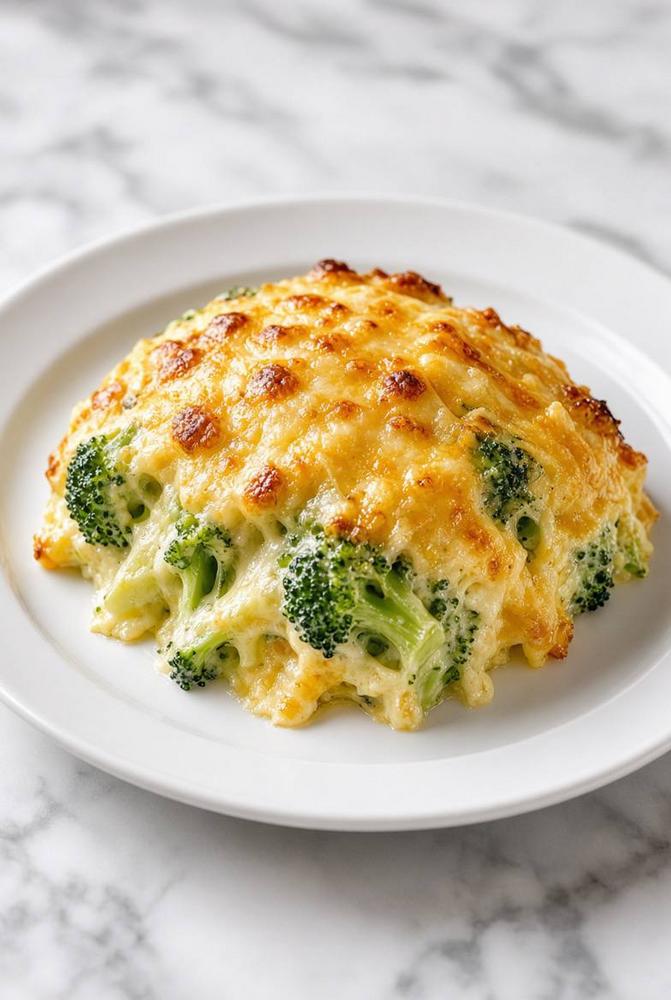
There are some dishes that just scream comfort, warmth, and home, and a bubbling, golden Broccoli Cheese Casserole sits proudly at the top of that list. This isn’t just a side dish; it’s a creamy, cheesy hug in a baking dish, a culinary masterpiece that transforms simple ingredients into an unforgettable experience. Imagine tender-crisp broccoli florets swimming in a rich, velvety cheese sauce, all crowned with a gloriously golden, bubbly crust that crackles slightly with every spoonful. It’s the kind of dish that brings smiles to faces, makes weeknight dinners feel special, and is always the first to disappear at potlucks and holiday gatherings.
What makes this Broccoli Cheese Casserole truly exceptional is its perfect balance of textures and flavors. The vibrant green of the broccoli offers a pleasant bite and a touch of earthiness, beautifully complemented by the indulgent, savory embrace of the cheese sauce. We’re talking about a sauce so luxurious it coats every floret, ensuring a cheesy burst in every mouthful. The best part? Despite its gourmet appeal, this recipe is surprisingly straightforward to make, relying on classic techniques that yield consistently delicious results. It’s a versatile crowd-pleaser that pairs beautifully with almost any main course, from a simple roasted chicken to a festive holiday ham, or even stands proudly on its own as a satisfying vegetarian main.
This recipe is designed to help you achieve that picture-perfect casserole every time: deeply flavorful, wonderfully creamy, and with that irresistible golden-brown, bubbly top that’s the hallmark of a truly great baked dish. We’ll guide you through selecting the freshest ingredients, crafting a smooth, lump-free cheese sauce, and baking it to perfection, ensuring your Broccoli Cheese Casserole is nothing short of spectacular. Get ready to create a dish that will have everyone asking for seconds and begging for the recipe!
Nutritional Information
Per serving (approximate values):
- Calories: 380
- Protein: 18g
- Carbohydrates: 25g
- Fat: 24g
- Fiber: 5g
- Sodium: 650mg
Ingredients
- 2 lbs fresh broccoli florets (about 6-7 cups, cut into bite-sized pieces)
- 4 tablespoons unsalted butter
- 1/4 cup all-purpose flour
- 3 cups whole milk, warmed
- 1 teaspoon salt, or to taste
- 1/2 teaspoon black pepper, freshly ground
- 1/4 teaspoon garlic powder
- Pinch of nutmeg (optional, but highly recommended)
- 1 teaspoon Dijon mustard (optional, for extra depth)
- 3 cups shredded sharp cheddar cheese, divided (about 12 oz)
- 1 cup shredded Gruyere cheese (about 4 oz, optional, for richer flavor)
- 1/2 cup panko breadcrumbs (optional, for extra crunch)
- 1 tablespoon olive oil (for blanching broccoli)
Instructions
- Prepare the Broccoli: Bring a large pot of salted water to a rolling boil. Add the broccoli florets and cook for 2-3 minutes, or until bright green and tender-crisp. You want them cooked but still with a slight bite, as they will cook further in the oven. Immediately drain the broccoli and plunge it into an ice bath for 1-2 minutes to stop the cooking process and preserve its vibrant color. Drain thoroughly and set aside.
- Preheat Oven and Prepare Dish: Preheat your oven to 375°F (190°C). Lightly grease a 9×13 inch baking dish (or similar size) with butter or cooking spray.
- Make the Roux: In a large saucepan or Dutch oven, melt the unsalted butter over medium heat. Once the butter is melted and shimmering, sprinkle in the all-purpose flour. Whisk constantly for 1-2 minutes, creating a smooth paste (roux). Cook until the roux is light golden and smells slightly nutty, being careful not to burn it.
- Whisk in Milk: Gradually whisk in the warmed whole milk, a little at a time, incorporating it fully into the roux before adding more. Continue whisking constantly to prevent lumps. Bring the mixture to a gentle simmer, still whisking, and cook for 3-5 minutes, or until the sauce thickens to a consistency that coats the back of a spoon.
- Season the Sauce: Remove the saucepan from the heat. Stir in the salt, black pepper, garlic powder, nutmeg (if using), and Dijon mustard (if using). Taste and adjust seasonings as needed.
- Add the Cheese: Add 2 cups of the shredded sharp cheddar cheese and all of the Gruyere cheese (if using) to the sauce. Stir continuously until the cheese is completely melted and the sauce is smooth and creamy. Reserve the remaining 1 cup of sharp cheddar cheese for the topping.
- Combine and Assemble: Add the blanched broccoli florets to the cheese sauce. Gently fold the broccoli into the sauce until all the florets are thoroughly coated.
- Transfer to Baking Dish: Pour the broccoli and cheese mixture into the prepared baking dish, spreading it evenly.
- Add Topping: Sprinkle the remaining 1 cup of shredded sharp cheddar cheese evenly over the top of the casserole. If using, sprinkle the panko breadcrumbs over the cheese for an extra crispy crust.
- Bake: Bake in the preheated oven for 25-30 minutes, or until the casserole is bubbly around the edges and the cheese on top is melted and golden brown.
- Broil for Golden Finish (Optional): For an extra golden and bubbly crust, you can carefully place the casserole under the broiler for the last 2-3 minutes. Watch it very closely to prevent burning, as broilers can brown quickly.
- Rest and Serve: Remove the casserole from the oven and let it rest for 5-10 minutes before serving. This allows the sauce to set slightly, making it easier to serve cleanly. Serve hot and enjoy!
Cooking Tips and Variations
Achieving the perfect Broccoli Cheese Casserole is all about mastering a few key techniques and knowing how to adapt the recipe to your taste. Here are some tips for success and exciting variations to try:
- Don’t Overcook the Broccoli: This is crucial! Broccoli should be blanched or steamed until just tender-crisp, not soft or mushy. It will continue to cook in the oven, so starting with slightly undercooked broccoli ensures it retains its texture and vibrant green color. An ice bath is your best friend here to stop the cooking immediately.
- Use Quality Cheese: The type and quality of cheese significantly impact the flavor. Sharp cheddar is a must for that classic cheesy punch. Adding Gruyere or even a touch of smoked gouda can elevate the flavor profile. Always grate your own cheese from a block if possible; pre-shredded cheeses often contain anti-caking agents that can make your sauce gritty and prevent it from melting as smoothly.
- Warm Your Milk: Adding cold milk to a hot roux can sometimes seize the flour and create lumps. Gently warming the milk beforehand helps create a smoother, more uniform béchamel base for your cheese sauce.
- Whisk, Whisk, Whisk: Constant whisking is key when making the roux and adding the milk. This prevents lumps and ensures a silky-smooth sauce. Don’t be shy with that whisk!
- Season Generously: Don’t underestimate the power of seasoning. Taste your cheese sauce before adding the broccoli and adjust salt and pepper as needed. The pinch of nutmeg and a teaspoon of Dijon mustard might seem small, but they add incredible depth and complexity to the cheese sauce without making it taste like mustard or nutmeg.
- For the Crispiest Top: The broiler is your secret weapon for that irresistible golden, bubbly, and slightly crispy crust. Keep a very close eye on it, as cheese can go from perfectly golden to burnt in a matter of seconds.
- Make-Ahead Tip: You can assemble the entire casserole (up to the point of baking) a day in advance. Cover it tightly with plastic wrap and refrigerate. When ready to bake, let it sit at room temperature for about 30 minutes while your oven preheats, then bake as directed, possibly adding an extra 5-10 minutes to the baking time since it’s starting cold.
Recipe Variations:
- Add Protein: Transform this side dish into a complete meal by adding cooked protein. Shredded rotisserie chicken, diced cooked ham, or crispy crumbled bacon are fantastic additions. Stir them in along with the broccoli.
- Different Vegetables: While broccoli is classic, feel free to experiment with other vegetables. Cauliflower florets, steamed carrots, or even sautéed mushrooms can be added or substituted. Ensure they are cooked to tender-crisp before adding to the sauce.
- Spice It Up: For a kick, add a pinch of cayenne pepper or a dash of hot sauce to the cheese sauce. A finely diced jalapeño (seeds removed for less heat) can also be a delicious addition.
- Herbaceous Notes: Fresh herbs can brighten the dish. Stir in a tablespoon of chopped fresh parsley or chives with the broccoli, or sprinkle them over the finished casserole for garnish.
- Crunchy Toppings: Beyond panko breadcrumbs, consider crushed Ritz crackers, crushed cornflakes, or even crushed crispy fried onions for different textural elements on top.
- Gluten-Free Option: To make this casserole gluten-free, simply substitute the all-purpose flour with a gluten-free all-purpose flour blend (ensure it contains xanthan gum) when making the roux.
- Lower-Fat Alternative: While some fat is essential for flavor and texture, you can opt for 2% milk and a reduced-fat sharp cheddar cheese. Be aware that this might slightly alter the richness and melt consistency.
Storage and Reheating
Proper storage and reheating are key to enjoying your Broccoli Cheese Casserole long after it comes out of the oven. This casserole makes fantastic leftovers, often tasting even better the next day as the flavors meld and deepen.
Storage:
- Cool Completely: Before storing, allow the casserole to cool completely to room temperature. This prevents condensation from forming in the container, which can lead to a watery texture and promote bacterial growth.
- Airtight Container: Transfer any leftover casserole to an airtight container. If you have a large amount, you can also cover the baking dish tightly with plastic wrap and then aluminum foil.
- Refrigeration: Store the casserole in the refrigerator for up to 3-4 days.
- Freezing: Broccoli Cheese Casserole freezes quite well!
- For Baked Casserole: Once completely cooled, cut the casserole into individual portions or leave it whole. Wrap tightly in plastic wrap, then aluminum foil, or place in freezer-safe airtight containers. It can be frozen for up to 2-3 months.
- For Unbaked Casserole: You can assemble the casserole up to the point of baking, cover it tightly with plastic wrap and foil, and freeze. When ready to bake, you can bake it from frozen (covered with foil for the first 45-60 minutes, then uncovered for the remaining time) or thaw it in the refrigerator overnight before baking as directed. Baking from frozen will significantly increase the baking time.
Reheating:
- Oven Reheating (Recommended): This is the best method for retaining the casserole’s texture and getting that lovely bubbly top back.
- Preheat your oven to 350°F (175°C).
- Place the desired portion of casserole in an oven-safe dish. If it seems a bit dry, you can add a tablespoon or two of milk or cream over the top before reheating.
- Cover loosely with aluminum foil to prevent the top from browning too much or drying out.
- Bake for 15-25 minutes, or until heated through and bubbly. If you want to crisp up the top, remove the foil for the last 5 minutes.
- Microwave Reheating: While quicker, the microwave can sometimes make the broccoli a bit softer and the sauce less creamy, but it’s great for a quick single serving.
- Place a single serving in a microwave-safe dish.
- Cover loosely with a microwave-safe lid or damp paper towel.
- Heat on medium power for 1-2 minutes, stir, and continue heating in 30-second intervals until warmed through. Be careful not to overheat, as this can make the sauce separate.
- Reheating from Frozen:
- Baked Casserole: Thaw overnight in the refrigerator first, then reheat in the oven as described above. If reheating directly from frozen, cover tightly with foil and bake at 350°F (175°C) for 45-60 minutes, then uncover and bake for an additional 10-15 minutes, or until heated through.
- Unbaked Casserole: Thaw in the refrigerator overnight, then bake as directed in the recipe, adding 5-10 minutes to the baking time. If baking from frozen, cover with foil and bake at 375°F (190°C) for 60-75 minutes, then uncover and bake for another 20-30 minutes, or until bubbly and golden.
Frequently Asked Questions
What kind of cheese is best for Broccoli Cheese Casserole?
For the best flavor and melt, a sharp cheddar cheese is highly recommended as the primary cheese. Its robust flavor stands up beautifully to the broccoli. Adding a complementary cheese like Gruyere or even a mild white cheddar can add complexity and creaminess. Avoid pre-shredded cheeses if possible, as they often contain anti-caking agents that can make your sauce gritty and less smooth.
Can I make this casserole ahead of time?
Absolutely! Broccoli Cheese Casserole is an excellent make-ahead dish. You can assemble the entire casserole (broccoli, sauce, and topping) up to one day in advance. Cover it tightly with plastic wrap and refrigerate. When you’re ready to bake, let it sit at room temperature for about 30 minutes while your oven preheats, then bake as directed, potentially adding an extra 5-10 minutes to the baking time to ensure it heats through evenly.
Why is my cheese sauce lumpy or watery?
Lumpy sauce is usually due to not whisking enough when making the roux or when adding the milk. Ensure you whisk constantly as you add the milk gradually to the roux. Watery sauce can happen if the broccoli wasn’t thoroughly drained after blanching, or if the cheese sauce wasn’t cooked long enough to thicken properly. Ensure your roux-based sauce simmers for a few minutes until it coats the back of a spoon before adding cheese.
How do I prevent the broccoli from becoming mushy?
The key to tender-crisp broccoli is to blanch or steam it for just 2-3 minutes, until it’s bright green but still has a slight bite. Immediately plunge it into an ice bath to stop the cooking process, then drain it thoroughly. Remember, the broccoli will continue to cook slightly in the oven, so starting with it slightly undercooked is ideal.