Introduction
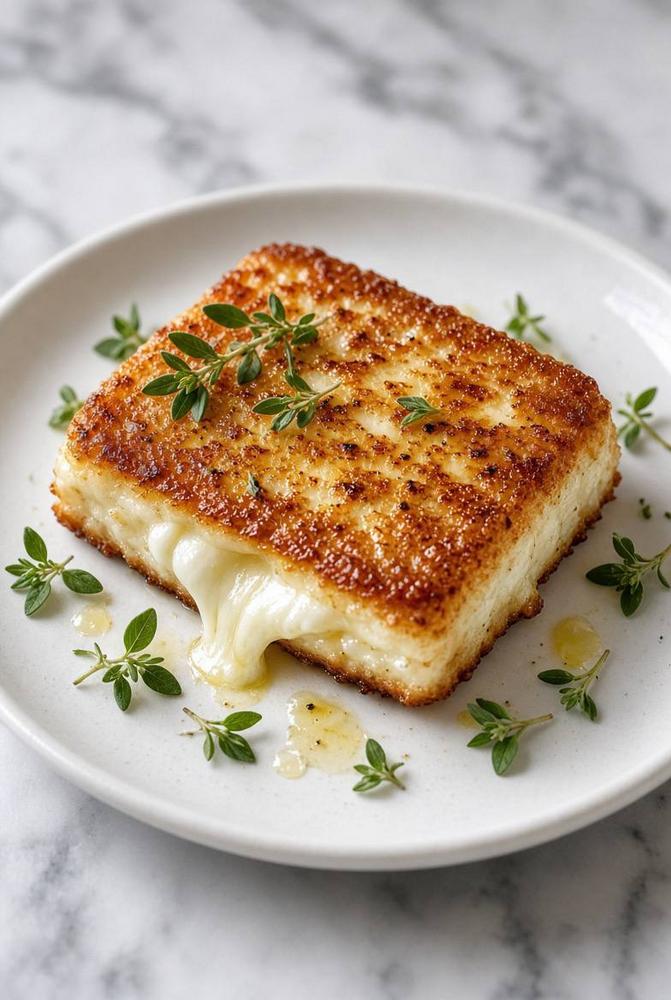
There are some culinary delights that instantly transport you, and for many, the mere mention of crispy, golden cheese evokes a universal sigh of satisfaction. But what if we told you that achieving this level of gourmet deliciousness could be done with just three simple ingredients and a few minutes of your time? Enter 3-Ingredient Pan-Fried Halloumi – a dish so effortlessly elegant and incredibly tasty, it’s destined to become your new kitchen obsession. Imagine a cheese that doesn’t melt into a puddle but instead develops a beautiful, savory crust while remaining wonderfully soft and salty on the inside. That’s the magic of halloumi, and we’re about to unlock its full potential.
Halloumi, a semi-hard, unripened brined cheese traditionally made from a mixture of goat’s and sheep’s milk (and sometimes cow’s milk), hails from Cyprus. Its defining characteristic is its unusually high melting point, which allows it to be grilled, fried, or baked without losing its shape. Instead, it softens, sizzles, and develops an irresistible golden-brown crust, offering a delightful textural contrast that’s both chewy and tender. Its naturally salty, tangy flavor profile makes it a versatile ingredient, equally at home as a star appetizer, a satisfying snack, or a vibrant addition to salads and wraps. The beauty of this particular recipe lies in its absolute simplicity: just halloumi, a good quality olive oil, and a touch of fresh thyme are all you need to create a truly spectacular dish.
This recipe isn’t just easy; it’s a revelation. In a world often overcomplicated, the “3-Ingredient Pan-Fried Halloumi” is a testament to the power of quality ingredients and straightforward cooking. Whether you’re looking for a quick appetizer to impress last-minute guests, a flavorful protein boost for your lunchtime salad, or simply a delicious, guilt-free snack, this recipe delivers every time. It’s fast, minimal effort, and yields maximum flavor, proving that sometimes, the simplest things are truly the best. Get ready to fall in love with the sizzle, the golden crust, and the utterly addictive taste of perfectly pan-fried halloumi.
Nutritional Information
Per serving (approximate values for 100g Halloumi, 1 tbsp olive oil, and thyme):
- Calories: 390-420
- Protein: 25-28g
- Carbohydrates: 2-4g
- Fat: 30-35g
- Fiber: 0-1g
- Sodium: 800-1000mg
Ingredients
- 250g (approximately 8.8 oz) block Halloumi cheese
- 2 tablespoons extra virgin olive oil (or other high-heat frying oil like avocado or grapeseed oil)
- 2-3 sprigs fresh thyme, leaves stripped (or 1/2 teaspoon dried thyme, or other preferred herb/seasoning)
Instructions
- Prepare the Halloumi: Carefully remove the halloumi block from its brine and pat it thoroughly dry with paper towels. This step is crucial for achieving a beautiful, crispy crust. Slice the halloumi into even pieces, about 1/2 inch (1.25 cm) thick. You can cut it into rectangular planks, triangles, or even small cubes, depending on your preference.
- Heat the Pan: Place a non-stick frying pan or a well-seasoned cast-iron skillet over medium-high heat. Allow the pan to heat up for 2-3 minutes. You want the pan to be hot enough to sear the cheese quickly, but not so hot that the oil smokes excessively.
- Add the Oil: Once the pan is hot, add the olive oil. Swirl the pan to ensure the oil coats the entire cooking surface evenly. The oil should shimmer slightly, indicating it’s ready for frying.
- Pan-Fry the Halloumi: Carefully place the halloumi slices into the hot pan in a single layer. Do not overcrowd the pan; if necessary, cook the halloumi in batches to ensure even browning and crispiness. Overcrowding can lower the pan temperature and lead to steaming instead of frying.
- Cook Until Golden Brown: Cook the halloumi for 3-4 minutes per side, or until each side develops a deep, golden-brown, crispy crust. Use a spatula to gently flip the pieces. You’ll notice the cheese softening and becoming slightly gooey on the inside as it cooks.
- Add Thyme (Optional): In the last minute of cooking, sprinkle the fresh thyme leaves over the halloumi in the pan. The residual heat will gently warm the thyme, releasing its aromatic oils and infusing the cheese with its fragrant flavor.
- Serve Immediately: Once the halloumi is perfectly golden and crispy on all sides, remove it from the pan and transfer it to a serving plate. For best results, serve it immediately while it’s still warm and the crust is at its crispiest. A final drizzle of fresh olive oil or a squeeze of lemon juice can elevate the flavors even further.
Cooking Tips and Variations
Achieving the perfect pan-fried halloumi is all about technique. The key to that irresistible golden crust is a hot pan and thoroughly dried cheese. Excess moisture on the halloumi will cause it to steam rather than sear, preventing that beautiful browning. Always pat your halloumi dry with paper towels before slicing and frying. Don’t be afraid of a good amount of oil; it helps create that even, crispy exterior and prevents sticking. While olive oil is fantastic for flavor, if you’re using very high heat, a neutral oil with a higher smoke point like avocado or grapeseed oil can be a good alternative. Ensure your pan is adequately heated before adding the oil and then the cheese – a cold pan will lead to soggy halloumi. Cook in batches if necessary to avoid overcrowding, which drops the pan temperature and hinders browning.
While fresh thyme offers a classic, aromatic pairing, don’t hesitate to experiment with flavor variations. For a Mediterranean twist, try fresh oregano or a sprinkle of dried za’atar. A pinch of chili flakes can add a subtle kick, while smoked paprika offers a warm, earthy note. If you’re feeling adventurous, finely chopped fresh mint can provide a surprisingly refreshing contrast to the salty cheese. A squeeze of fresh lemon juice just before serving brightens the entire dish, cutting through the richness of the cheese and oil. For those with a sweet tooth, a drizzle of honey or maple syrup over the hot halloumi creates a delightful sweet and savory experience, perfect for brunch or a unique appetizer. You can also serve it with a side of fig jam or a balsamic glaze for an elevated touch. The versatility of halloumi means it can adapt to almost any flavor profile you desire, making it a fantastic canvas for culinary creativity.
Storage and Reheating
While pan-fried halloumi is undoubtedly at its absolute best when served immediately, still warm and crispy from the pan, you can store leftovers if necessary. Allow any remaining halloumi to cool completely to room temperature before transferring it to an airtight container. Store it in the refrigerator for up to 2-3 days. Be aware that the crispy exterior will soften considerably during storage, and the cheese will firm up as it chills. It won’t have the same fresh-from-the-pan texture, but it will still be delicious.
When it comes to reheating, the goal is to try and revive some of that lost crispiness. Avoid the microwave, as this will only make the halloumi rubbery and tough. The best method for reheating is to use a dry, non-stick pan over medium heat. Place the halloumi slices in the pan and cook for 2-3 minutes per side, or until heated through and a slight crispness returns. You can add a tiny splash of olive oil if desired to help with browning. Alternatively, you can reheat it in a preheated oven or toaster oven at 350°F (175°C) for 5-7 minutes, flipping halfway, until warm and slightly re-crisped. Again, while it won’t be quite as perfect as fresh, these methods will yield the most enjoyable results for your leftover halloumi.
Frequently Asked Questions
Why is my Halloumi not browning?
There are a few common culprits if your halloumi isn’t achieving that beautiful golden-brown crust. Firstly, ensure you’ve patted the halloumi thoroughly dry with paper towels before frying. Excess moisture creates steam, preventing the cheese from searing. Secondly, your pan might not be hot enough. A hot pan is crucial for a quick, even sear. Make sure your pan is preheated over medium-high heat for a few minutes before adding the oil and then the cheese. Lastly, ensure you’re using enough oil to coat the bottom of the pan; insufficient oil can lead to uneven cooking and sticking.
Can I bake or grill Halloumi instead of pan-frying?
Absolutely! Halloumi’s high melting point makes it incredibly versatile for various cooking methods. To grill, preheat your grill to medium-high. Brush the halloumi slices lightly with olive oil to prevent sticking, and grill for 2-3 minutes per side, until distinct grill marks appear and the cheese is softened. For baking, preheat your oven to 400°F (200°C). Arrange the halloumi slices on a baking sheet lined with parchment paper, drizzle with olive oil, and bake for 10-15 minutes, flipping halfway, until golden and tender. Both methods yield delicious results, offering slightly different textures and flavors than pan-frying.
How should I store uncooked Halloumi?
Uncooked halloumi is typically sold in a vacuum-sealed package or submerged in brine. If the package is unopened, store it in the refrigerator according to the “best by” date. Once opened, if it’s in brine, transfer the remaining cheese and brine to an airtight container and refrigerate. It will usually last for about 5-7 days after opening. If it’s not in brine, wrap it tightly in plastic wrap or place it in an airtight container and refrigerate for a similar duration. Freezing halloumi is also an option; wrap it well and it can last for several months, though its texture might be slightly altered upon thawing.
What are some other great serving suggestions for pan-fried halloumi?
Beyond being a fantastic appetizer on its own, pan-fried halloumi is incredibly versatile. It makes an excellent addition to salads, offering a salty, savory bite that complements fresh greens and vegetables beautifully. Try it with a watermelon and mint salad for a refreshing contrast. It’s also superb in sandwiches or wraps, adding a satisfying texture and flavor. For a heartier meal, serve it alongside roasted vegetables, couscous, or a simple grain bowl. A drizzle of balsamic glaze, a dollop of fig jam, or a spoonful of pesto can also elevate its flavor profile, making it suitable for a variety of culinary pairings and occasions.