Introduction
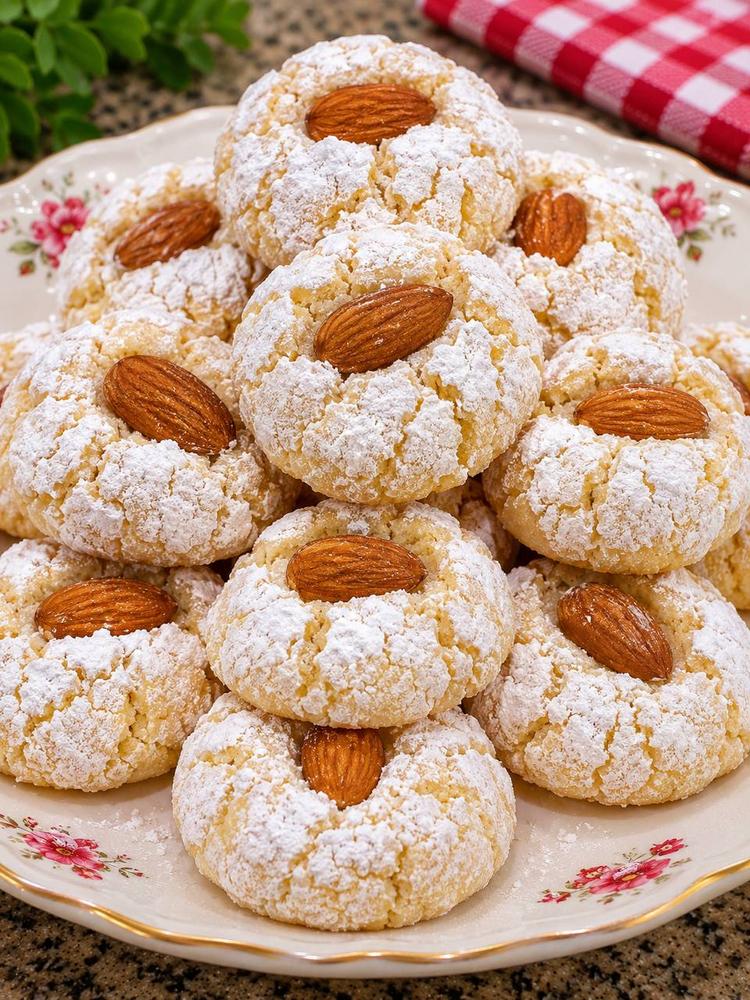
While the name “Chocolate Coconut Truffles” might conjure images of rich, dark treats, today we’re diving into a different kind of melt-in-your-mouth magic: the enchanting world of Almond Snowball Cookies. These delightful morsels, often known as Mexican Wedding Cookies or Russian Tea Cakes, are a testament to simple elegance. Imagine a tender, buttery shortbread-like cookie, infused with the warm, comforting flavor of almonds, then generously dusted in a cloud of powdered sugar. Each bite offers a delicate crumbly texture that dissolves on your tongue, leaving behind a subtle sweetness and a distinct nutty aroma. They are a classic for a reason, gracing holiday tables and afternoon tea spreads with their understated charm.
What makes these Almond Snowball Cookies truly special is their universal appeal and surprisingly straightforward preparation. Their pristine white coating, reminiscent of freshly fallen snow, makes them a festive favorite during the winter months, but their light and satisfying taste means they’re welcome any time of year. The addition of a whole blanched almond pressed into the center of each cookie isn’t just for aesthetics; it provides a delightful textural contrast and an extra burst of pure almond flavor. These aren’t just cookies; they’re little bites of comfort, perfect for sharing with loved ones, pairing with a hot cup of coffee or tea, or simply enjoying as a moment of sweet indulgence.
Forget complicated techniques or a long list of exotic ingredients. Our homemade Almond Snowball Cookies celebrate the beauty of simplicity. They are a beloved staple for bakers of all skill levels, delivering impressive results with minimal fuss. Whether you’re a seasoned pro looking for a reliable crowd-pleaser or a novice eager to create something beautiful and delicious from scratch, this recipe promises a rewarding baking experience. Get ready to fill your kitchen with the enticing scent of almonds and sugar, and prepare to fall in love with these irresistible, crumbly delights.
Nutritional Information
Per serving (approximate values for one 1.5-inch cookie):
- Calories: 120
- Protein: 1.5g
- Carbohydrates: 12g
- Fat: 7.5g
- Fiber: 0.5g
- Sodium: 40mg
Ingredients
- 1 cup (2 sticks or 226g) unsalted butter, softened
- 1/2 cup (60g) powdered sugar (for the dough, plus extra for coating)
- 1 teaspoon vanilla extract
- 1/2 teaspoon almond extract
- 1/4 teaspoon salt
- 2 cups (240g) all-purpose flour
- 1/2 cup (50g) finely ground almonds or almond flour
- 48 blanched whole almonds (for garnish, approximately 2-3 ounces)
- Additional 1 to 1 1/2 cups powdered sugar for rolling/dusting
Instructions
- Preheat your oven to 350°F (175°C). Line two baking sheets with parchment paper.
- In a large mixing bowl, using an electric mixer on medium speed, cream together the softened butter and 1/2 cup powdered sugar until light and fluffy, about 2-3 minutes. Scrape down the sides of the bowl as needed.
- Beat in the vanilla extract, almond extract, and salt until well combined.
- In a separate bowl, whisk together the all-purpose flour and finely ground almonds (or almond flour).
- Gradually add the dry ingredients to the wet ingredients, mixing on low speed until just combined and a soft dough forms. Be careful not to overmix. The dough will be crumbly at first but will come together as you mix.
- Scoop out rounded tablespoons of dough and roll them into smooth balls, about 1 to 1.5 inches in diameter. Place them about 1 inch apart on the prepared baking sheets.
- Gently press one blanched whole almond into the center of each cookie ball.
- Bake for 12-15 minutes, or until the edges are lightly golden and the centers are set but still pale. The cookies should not brown significantly.
- While the cookies are still warm (but cool enough to handle), place about 1 cup of additional powdered sugar in a shallow bowl.
- Carefully roll each warm cookie in the powdered sugar until thoroughly coated. The warmth of the cookie helps the sugar adhere beautifully, creating that signature “snowball” look.
- Transfer the coated cookies to a wire rack to cool completely.
- Once completely cool, for an extra thick and pristine coating, you can roll the cookies in powdered sugar a second time. Alternatively, lightly dust them with a sieve for a final flourish.
- Store the cooled cookies in an airtight container at room temperature.
Cooking Tips and Variations
For truly exceptional Almond Snowball Cookies, paying attention to a few key details can make all the difference. Ensure your butter is properly softened, not melted, to achieve that light and fluffy texture when creamed with sugar. Cold butter won’t incorporate well, and melted butter will lead to a greasy, dense cookie. When adding the flour, mix until just combined; overmixing develops the gluten in the flour, resulting in tough cookies instead of the desired tender, crumbly texture. The dough might seem a bit crumbly at first, but it will come together as you press and roll it into balls.
Don’t be tempted to overbake these beauties. They should remain pale in color, with only the very edges showing a hint of golden. Overbaking will dry them out and make them less melt-in-your-mouth. The magic of the powdered sugar coating happens when the cookies are still warm; the residual heat helps the sugar stick and create that delightful, slightly damp inner layer of sugar. Rolling them a second time once completely cool ensures a thick, elegant white coating that truly lives up to their “snowball” name.
For variations, consider experimenting with different extracts. A touch of orange zest added to the dough can brighten the flavor profile, or you could swap almond extract for pistachio extract for a unique twist. While whole almonds are traditional for the garnish, you could also use chopped pecans or walnuts mixed into the dough for added texture and flavor. For a slightly different appearance, finely chop some almonds and mix them directly into the dough instead of using ground almonds, which will give the cookies a more rustic look and crunch. If you prefer a richer flavor, toast your ground almonds lightly in a dry pan before adding them to the dough, allowing their nutty essence to deepen. You can also make a chocolate version by adding 1/4 cup of unsweetened cocoa powder to the dry ingredients, adjusting the flour slightly if the dough feels too dry.
Storage and Reheating
These Almond Snowball Cookies are excellent keepers, which makes them perfect for holiday baking or preparing ahead of time. Once completely cooled and coated with powdered sugar, store them in an airtight container at room temperature. Layering them between sheets of parchment paper can help prevent the powdered sugar from clumping or transferring too much, especially if you’ve applied a very generous coating. Stored properly, they will maintain their freshness and delightful texture for up to 1 week. Beyond that, while still safe to eat, their texture might begin to dry out slightly.
For longer storage, these cookies freeze beautifully. After they have completely cooled and been coated with powdered sugar, arrange them in a single layer on a baking sheet and freeze until solid (about 1-2 hours). Once frozen, transfer them to a freezer-safe airtight container or heavy-duty freezer bag, again using parchment paper between layers to prevent sticking. They can be stored in the freezer for up to 3 months. When you’re ready to enjoy them, simply remove them from the freezer and let them thaw at room temperature for an hour or two. There’s no need to reheat them; they are best enjoyed at room temperature, allowing their delicate texture and flavors to shine. Reheating them might melt the powdered sugar and alter their characteristic texture.
Frequently Asked Questions
Why do my snowball cookies flatten out when baked?
Snowball cookies can flatten for a few reasons. The most common culprit is butter that is too soft or even slightly melted when mixed into the dough. Ensure your butter is softened but still cool to the touch. Overmixing the dough can also develop too much gluten, causing the cookies to spread. Additionally, an oven that isn’t at the correct temperature (too low) can cause the butter to melt before the cookie structure sets. Chilling the dough for 30 minutes before baking can often help prevent spreading.
Can I make these cookies gluten-free?
Yes, you can adapt this recipe to be gluten-free. Replace the all-purpose flour with a 1:1 gluten-free baking flour blend that contains xanthan gum. The almond flour already contributes to the texture, so a good quality gluten-free blend should work well. You might find the dough slightly more delicate to handle, so chilling it thoroughly before rolling is highly recommended.
How do I get the powdered sugar to stick properly?
The key to a perfect powdered sugar coating is to roll the cookies while they are still warm, but cool enough to handle. The residual heat from the cookies slightly melts the outer layer of the powdered sugar, creating a thin, sticky glaze that then sets as the cookie cools, sealing the sugar in place. For an extra thick and resilient coating, roll them a second time once they are completely cool. This double coating gives them that iconic, pristine “snowball” appearance.
What if I don’t have almond flour or ground almonds?
If you don’t have almond flour or finely ground almonds, you can make your own by pulsing blanched whole almonds in a food processor until they reach a fine, flour-like consistency. Be careful not to over-process, or you’ll end up with almond butter! If you absolutely cannot use almonds, you can substitute the almond flour with an equal amount of all-purpose flour, but be aware that this will reduce the almond flavor significantly. In that case, you might want to increase the almond extract slightly to compensate.