Introduction
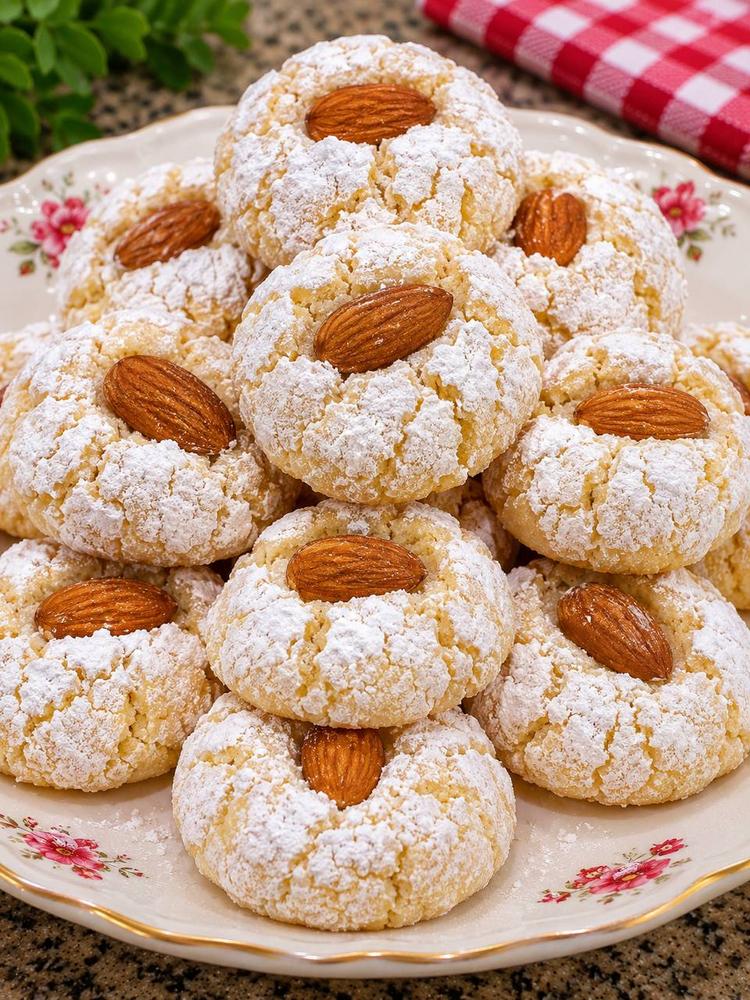
There’s a certain magic that happens when the aroma of toasted almonds and sweet sugar fills your kitchen, especially during the holidays. Today, we’re diving into that magic with a recipe for Italian Almond Snowball Cookies, a delightful take on the classic Ricciarelli. Hailing from the sun-drenched region of Tuscany, Ricciarelli are renowned for their distinctively soft, chewy interior and delicate, crackled exterior, generously dusted with powdered sugar. These “snowball” cookies capture that same enchanting essence, offering a taste of Italian tradition that feels both elegant and wonderfully comforting. Imagine biting into a cloud-like confection, rich with almond flavor, giving way to a tender chewiness that simply melts in your mouth – that’s the experience awaiting you with these beauties.
What sets these Ricciarelli-style snowballs apart is their remarkable simplicity paired with an undeniably sophisticated flavor. Made primarily from almond flour and confectioners’ sugar, they are naturally gluten-free and surprisingly easy to prepare, making them an ideal choice for both seasoned bakers and beginners. The generous coating of powdered sugar before baking creates that iconic “snowball” look and contributes to their unique texture, while a single whole almond pressed into the center adds a beautiful rustic touch and an extra pop of nutty flavor. These aren’t just cookies; they’re tiny masterpieces, perfect for gracing your holiday dessert platters, accompanying a warm cup of coffee, or wrapping up as a thoughtful, homemade gift that truly speaks from the heart.
Whether you’re looking to recreate a piece of Italian culinary heritage, seeking a unique addition to your Christmas cookie repertoire, or simply craving an exquisitely chewy and sweet almond treat, this recipe is your golden ticket. We’ll guide you through each step, ensuring you achieve that perfect balance of chewy texture, intense almond flavor, and stunning snowball appearance. Get ready to transform simple ingredients into an extraordinary cookie that will undoubtedly become a cherished favorite in your home, bringing a little piece of Tuscan charm to your table.
Nutritional Information
Per serving (approximate values, based on 20 small cookies):
- Calories: 180 kcal
- Protein: 5g
- Carbohydrates: 20g
- Fat: 10g
- Fiber: 2g
- Sodium: 10mg
Ingredients
- 2 ½ cups (250g) almond flour (finely ground blanched almonds)
- 1 ½ cups (180g) powdered sugar, plus extra for coating
- ½ teaspoon baking powder
- Pinch of salt
- 2 large egg whites, at room temperature
- 1 teaspoon almond extract
- ½ teaspoon vanilla extract (optional, but recommended for depth of flavor)
- Zest of 1 small orange or ½ lemon (optional, for flavor enhancement)
- 20 whole blanched almonds, for topping
Instructions
- Prepare Your Workspace: Preheat your oven to 300°F (150°C). Line two baking sheets with parchment paper. This low and slow temperature is key to achieving the soft, chewy interior without over-browning the cookies.
- Combine Dry Ingredients: In a large mixing bowl, whisk together the almond flour, 1 ½ cups powdered sugar, baking powder, and salt. Ensure there are no lumps, especially in the powdered sugar. If your almond flour seems clumpy, you can sift it first.
- Add Wet Ingredients: In a separate, clean bowl, lightly whisk the egg whites until just frothy (do not whip to stiff peaks). Add the almond extract, vanilla extract (if using), and orange or lemon zest (if using) to the egg whites and stir to combine.
- Form the Dough: Pour the wet ingredients into the dry ingredients. Using a sturdy spatula or your hands, mix until a cohesive, slightly sticky dough forms. The dough should be pliable but not too wet. If it feels too sticky to handle, you can chill it for 15-20 minutes, but often the dough comes together well at room temperature.
- Shape the Cookies: Lightly dust your hands with powdered sugar (or wet them slightly with water to prevent sticking). Take about 1 tablespoon of dough and roll it into a ball, then gently flatten it slightly into an oval or round shape, about 1 ½ to 2 inches in diameter and ½ inch thick. The traditional Ricciarelli shape is slightly oval, but round “snowballs” are equally charming.
- Coat with Powdered Sugar: Generously roll each shaped cookie in a bowl of extra powdered sugar, ensuring it’s completely coated. The thicker the coating, the more pronounced the “snowball” effect and crackled appearance will be.
- Add the Almond Topping: Place the heavily coated cookie on the prepared baking sheet. Gently press one whole blanched almond into the center of each cookie. This not only adds visual appeal but also a lovely textural contrast.
- Bake to Perfection: Arrange the cookies about 1 inch apart on the baking sheets. Bake for 18-22 minutes. The cookies are done when they are lightly golden around the edges, still pale white on top (thanks to the powdered sugar), and feel slightly firm but still soft to the touch in the center. They should develop those characteristic small cracks on their surface. Do not overbake, as this will make them dry rather than chewy.
- Cool Completely: Remove the baking sheets from the oven and let the cookies cool on the sheets for at least 10-15 minutes before attempting to move them. They will be very delicate when warm. Once slightly cooled and firmer, transfer them to a wire rack to cool completely.
- Optional Final Dusting: For an extra “snowball” flourish, you can give the cooled cookies another light dusting of fresh powdered sugar just before serving.
Cooking Tips and Variations
Achieving the perfect Ricciarelli-style cookie is all about technique and a few clever tricks. For the ideal chewy texture and signature crackled look, ensure your almond flour is finely ground and blanched; coarser almond meal can result in a grainier cookie. Don’t be shy with the initial powdered sugar coating before baking – this is crucial for moisture retention, creating those beautiful cracks, and of course, the “snowball” appearance. If your dough feels too sticky to handle, resist the urge to add more almond flour, which can dry out the cookies. Instead, lightly dust your hands with powdered sugar or chill the dough for 15-20 minutes. The low oven temperature is non-negotiable; it allows the cookies to bake through slowly, setting their shape and developing that soft chew without browning too quickly.
When it comes to variations, these cookies are wonderfully adaptable. To enhance the almond flavor even further, you can lightly toast a small portion of your almond flour before mixing it into the dough. For a citrusy twist, increase the amount of orange or lemon zest; these bright notes beautifully complement the richness of the almonds. A tiny splash of rose water (just ¼ teaspoon) can add an elegant, floral aroma, reminiscent of traditional Middle Eastern sweets. For a bolder, slightly bitter contrast, a few drops of bitter almond extract can be used, though use sparingly as it’s very potent. If you prefer a different topping, you can use candied orange peel, a small piece of dark chocolate, or even a different nut like a pistachio, pressed into the center before baking. Just remember to adjust baking times slightly if your additions are significantly larger or smaller.
To troubleshoot common issues, if your cookies spread too much, your dough might be too wet, or your oven temperature could be inconsistent. Ensure your egg whites are at room temperature, but don’t overmix them. If the cracks aren’t appearing, you might not have used enough powdered sugar for the initial coating, or your oven temperature could be too high. If the cookies are too hard, they’ve likely been overbaked; remember, they should still be soft in the center when removed from the oven and will firm up as they cool. Always trust your senses – look for those lightly golden edges and the subtle give in the center. With these tips, you’ll be baking perfect Italian almond snowballs every time.
Storage and Reheating
Proper storage is key to maintaining the delightful chewiness and freshness of your Italian Almond Snowball Cookies. Once completely cooled, store them in an airtight container at room temperature. Layer them between sheets of parchment paper to prevent them from sticking together, especially if they have a very generous powdered sugar coating. Stored this way, they will remain fresh and wonderfully chewy for up to 5-7 days. In fact, many people find that the flavors meld and deepen slightly after a day or two, making them even more enjoyable. Avoid refrigerating these cookies, as the cold air can dry them out and alter their delicate texture, making them harder rather than chewy.
For longer storage, these cookies freeze beautifully. Once completely cooled, arrange them in a single layer on a baking sheet and freeze for about an hour until solid. Then, transfer the frozen cookies to a freezer-safe airtight container or a heavy-duty freezer bag, again layering with parchment paper if needed. They can be stored in the freezer for up to 2-3 months. When you’re ready to enjoy them, simply remove them from the freezer and let them thaw at room temperature for a couple of hours. There’s no need to reheat them; they are best enjoyed at room temperature, where their soft, chewy texture is most prominent. Reheating in an oven or microwave could dry them out or melt the powdered sugar, compromising their appearance and texture. Just let them come to room temperature naturally for a perfect treat.
Frequently Asked Questions
What is the difference between Ricciarelli and these “snowball” cookies?
Ricciarelli are a traditional Italian cookie from Siena, known for their distinct oval shape, chewy texture, and crackled surface, dusted with powdered sugar. These “snowball” cookies are a Ricciarelli-style adaptation, meaning they capture the essence of the original – the almond-forward flavor, chewy interior, and powdered sugar coating – but are often shaped into rounder “snowballs” and may have slight variations in ingredients or technique that make them more accessible for home bakers while still delivering that authentic Italian almond cookie experience. The core characteristics of almond flour, egg whites, and powdered sugar remain.
Can I make these cookies without almond flour?
Almond flour is the star ingredient and absolutely essential for the unique texture and flavor of these Ricciarelli-style cookies. Substituting with other flours like all-purpose flour or even other nut flours (like hazelnut flour) would drastically change the outcome, resulting in a completely different cookie texture and taste. The high fat content and lack of gluten in almond flour are what give these cookies their signature chewy, delicate, and naturally gluten-free quality. For an authentic experience, stick with finely ground blanched almond flour.
Why did my cookies not crack on top?
Several factors contribute to the characteristic crackled surface. The most common reason for a lack of cracks is not enough powdered sugar coating before baking; a generous, thick layer helps draw moisture out and create the cracks. Additionally, if your oven temperature is too high, the cookies might set too quickly before cracks have a chance to form. Ensure your oven is accurately calibrated to 300°F (150°C). Lastly, sometimes the dough consistency (too wet or too dry) can also affect cracking. Following the ingredient ratios precisely and not over-mixing the dough will help achieve the desired texture and appearance.
Are these cookies naturally gluten-free?
Yes, these Italian Almond Snowball Cookies (Ricciarelli-style) are naturally gluten-free, provided you use pure almond flour and do not introduce any gluten-containing ingredients. The primary ingredients are almond flour, powdered sugar, egg whites, and flavorings, all of which are typically gluten-free. This makes them an excellent choice for individuals with gluten sensitivities or those following a gluten-free diet, without compromising on flavor or texture. Always double-check ingredient labels to ensure they are certified gluten-free if cross-contamination is a concern.