Introduction
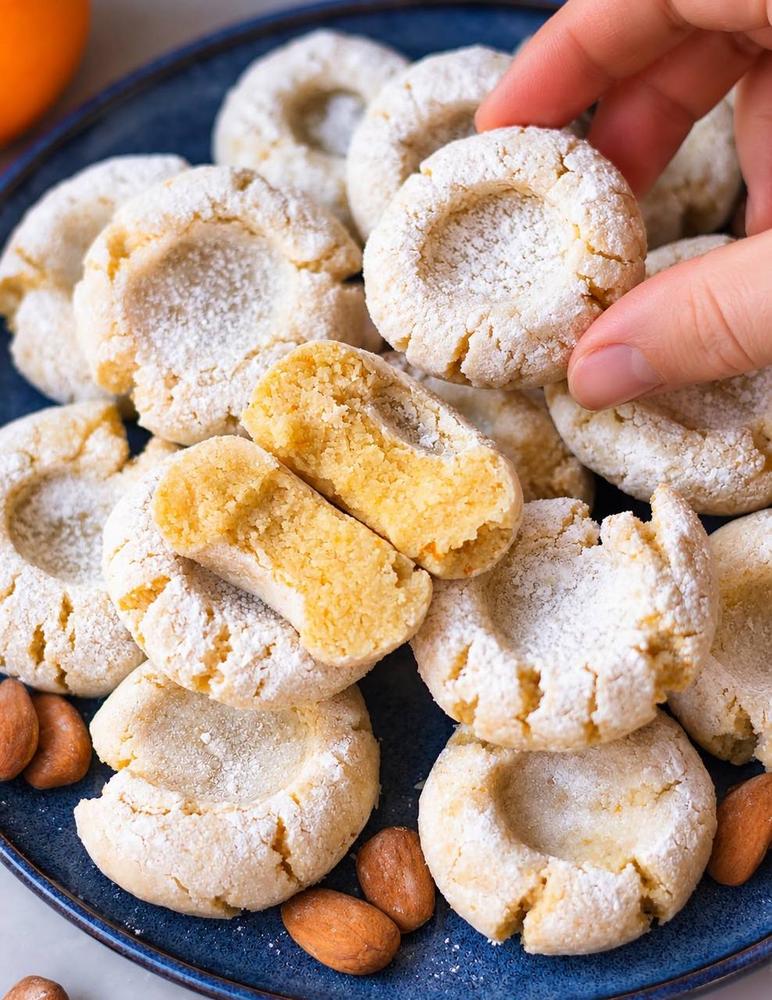
There’s a special kind of magic in a cookie that doesn’t just taste good, but literally melts away on your tongue, leaving behind a whisper of flavor and a craving for more. These Soft Almond Meltaway Cookies are precisely that kind of enchantment. Imagine a delicate, buttery crumb that dissolves into pure bliss the moment it hits your palate, infused with the rich, warm essence of almond. Dusted generously with a snowy blanket of powdered sugar, these little gems are not just a treat for your taste buds, but a feast for the eyes, perfect for any occasion that calls for a touch of elegance and irresistible indulgence.
Our Soft Almond Meltaway Cookies are a testament to the power of simple, high-quality ingredients coming together to create something truly extraordinary. With their tender texture, robust almond flavor, and straightforward preparation, they quickly become a beloved staple in any baker’s repertoire. Whether you’re looking for a show-stopping addition to your holiday cookie platter, a thoughtful homemade gift, or simply a sweet escape during your afternoon coffee break, these cookies deliver on every front. Their rustic, snow-kissed appearance, coupled with their ethereal texture, makes them an instant classic that everyone will adore.
What sets these meltaway cookies apart is their unique ability to be both incredibly rich and surprisingly light. The combination of fine almond flour and butter creates that signature crumbly yet tender quality, while a hint of almond extract amplifies the nutty notes to perfection. The slight indentation in the center, a charming characteristic, adds to their homemade appeal, inviting you to take that first delightful bite. Get ready to fall in love with a cookie that promises a moment of pure, unadulterated joy with every single, melt-in-your-mouth morsel.
Nutritional Information
Per serving (approximate values):
- Calories: 150
- Protein: 3g
- Carbohydrates: 15g
- Fat: 10g
- Fiber: 1g
- Sodium: 45mg
Ingredients
- 1 cup (2 sticks) unsalted butter, softened
- 1/2 cup granulated sugar
- 1 teaspoon pure vanilla extract
- 1 teaspoon almond extract
- 1 cup all-purpose flour
- 1 cup almond flour (finely ground blanched almonds)
- 1/4 teaspoon salt
- 1/2 cup powdered sugar (for dusting)
Instructions
- Preheat your oven to 350°F (175°C). Line two baking sheets with parchment paper or silicone mats.
- In a large mixing bowl, using an electric mixer, cream together the softened unsalted butter and granulated sugar on medium speed until light and fluffy, about 2-3 minutes.
- Beat in the vanilla extract and almond extract until well combined. Scrape down the sides of the bowl as needed.
- In a separate medium bowl, whisk together the all-purpose flour, almond flour, and salt.
- Gradually add the dry ingredients to the wet ingredients, mixing on low speed until just combined. Be careful not to overmix; stop as soon as no streaks of flour remain. The dough will be soft but manageable.
- Roll the dough into small, approximately 1-inch balls. Place them about 1.5 inches apart on the prepared baking sheets.
- Using your thumb or the back of a small measuring spoon, gently press an indentation into the center of each cookie ball. This will create the classic “meltaway” look and help the cookies bake evenly.
- Bake for 10-12 minutes, or until the edges are very lightly golden and the centers are set but still pale. The key to a true meltaway texture is to avoid overbaking.
- Remove the baking sheets from the oven and let the cookies cool on the sheets for 5 minutes before carefully transferring them to a wire rack to cool completely.
- Once the cookies are completely cool, place the powdered sugar in a fine-mesh sieve. Dust the cooled cookies generously with powdered sugar, ensuring an even, snowy coating. For an extra thick coating, you can gently roll them in a bowl of powdered sugar.
- Serve immediately and enjoy the delightful, melt-in-your-mouth experience!
Cooking Tips and Variations
Achieving the perfect Soft Almond Meltaway Cookie is all about precision and a few clever tricks. First and foremost, resist the urge to overbake! These cookies are meant to be pale and tender, not deeply golden. As soon as the edges show a faint hint of color and the centers are set, pull them from the oven. Overbaking will result in a dry, crumbly texture rather than the desired melt-in-your-mouth quality. Another crucial tip is to use room temperature butter. This allows it to cream properly with the sugar, incorporating air and contributing to that wonderfully light and soft texture. If your butter is too cold, your dough will be dense; if it’s too warm, it might become greasy.
For best results with rolling, consider chilling your dough for about 20-30 minutes before forming the balls. This helps firm up the butter, making the dough less sticky and easier to handle, and also helps the cookies maintain their shape better during baking, preventing excessive spreading. When making the indentations, a clean thumb works perfectly, but for a more uniform look, the back of a rounded teaspoon or even a small dowel can create a consistent well in each cookie. Don’t press too hard, just enough to create a distinct depression.
The powdered sugar dusting is not just for looks; it adds to the meltaway experience. Ensure the cookies are completely cool before dusting. If you dust them while warm, the sugar will melt and absorb, creating a glaze rather than a fluffy, snowy finish. For a truly professional look, dust them once, then wait a few minutes and dust them again, especially if you want a very thick coating. You can even roll them gently in a bowl of powdered sugar for maximum coverage.
While these almond meltaways are perfect as is, they offer fantastic opportunities for variation. For a citrusy twist, add 1-2 teaspoons of finely grated lemon or orange zest to the dough along with the extracts. The zest brightens the almond flavor beautifully. If you’re a chocolate lover, a tiny dollop of melted chocolate or a mini chocolate chip can be placed in the thumbprint indentation after baking, once the cookies have cooled slightly. For an even more intense almond experience, you could finely chop some blanched almonds and fold them into the dough, or sprinkle a few slivered almonds on top before baking. Another delicious idea is to experiment with other extracts; try a hint of pistachio extract for a different nutty profile, or a touch of coconut extract for a tropical twist. For a gluten-free version, ensure your almond flour is the primary flour and omit the all-purpose flour, adjusting the butter slightly if the dough seems too crumbly. These cookies are incredibly versatile, allowing you to tailor them to your personal taste and occasion.
Storage and Reheating
To keep your Soft Almond Meltaway Cookies at their absolute best, proper storage is key. Once completely cooled and dusted with powdered sugar, store them in an airtight container at room temperature. A cookie tin or a plastic container with a tight-fitting lid works perfectly. Layer them gently, separated by parchment paper if stacking multiple layers, to prevent the powdered sugar from transferring too much and to protect their delicate structure. Stored this way, they will remain wonderfully soft and fresh for up to 5-7 days. The flavor actually deepens slightly over the first day, making them an excellent make-ahead treat.
If you’re planning to keep them longer, these cookies freeze beautifully. Once baked, cooled, and dusted, arrange them in a single layer on a baking sheet and freeze until solid, about 1-2 hours. Then, transfer the frozen cookies to a freezer-safe airtight container or a heavy-duty freezer bag, again, layering with parchment paper if needed. They can be stored in the freezer for up to 2-3 months. When you’re ready to enjoy them, simply remove the desired number of cookies from the freezer and let them thaw at room temperature for about 30-60 minutes. There’s no need to reheat them; they are best enjoyed at room temperature, where their meltaway texture truly shines. Reheating them in a microwave or oven can cause them to dry out and lose their delicate quality, so a gentle thaw is always recommended.
Frequently Asked Questions
Why are my meltaway cookies not melting in my mouth?
The most common reason for meltaway cookies not having that signature melt-in-your-mouth texture is overbaking. These cookies are meant to be baked until just set and very lightly golden around the edges, but still pale in the center. If they bake for too long, they will become dry and crumbly rather than tender and dissolving. Another factor could be overmixing the dough, which can develop the gluten in the flour too much, leading to a tougher cookie. Ensure you mix only until the ingredients are just combined.
Can I make these cookies gluten-free?
Yes, you absolutely can make these Soft Almond Meltaway Cookies gluten-free! The recipe already calls for a significant amount of almond flour. To make them completely gluten-free, simply substitute the all-purpose flour with an equal amount of additional almond flour or a good quality gluten-free all-purpose flour blend (one that contains xanthan gum works best for structure). You might need to adjust the butter very slightly if the dough seems too dry or too crumbly, adding a tiny bit more butter or a splash of milk if needed to achieve a workable dough consistency.
What can I use if I don’t have almond extract?
While almond extract provides the signature flavor for these cookies, you can still make a delicious meltaway cookie without it. If you want to keep a nutty flavor, you could try a tiny amount of pure hazelnut extract, or even a touch of pistachio extract. However, if you’re looking for a different flavor profile entirely, simply omit the almond extract and increase the vanilla extract to 1.5-2 teaspoons. You could also add citrus zest, like lemon or orange, for a bright, refreshing variation that complements the buttery base beautifully.
How can I prevent my cookies from spreading too much?
Several factors can contribute to cookies spreading too much. Ensure your butter is at room temperature but not melted or overly soft, as very warm butter can cause excessive spreading. Chilling the dough for at least 20-30 minutes before rolling and baking is highly recommended; this helps to firm up the butter, which prevents the cookies from spreading too quickly in the oven. Also, make sure your oven temperature is accurate; an oven that is too cool can cause cookies to spread before they set. Finally, avoid using greased baking sheets; parchment paper or silicone mats are best for preventing spread and ensuring easy release.