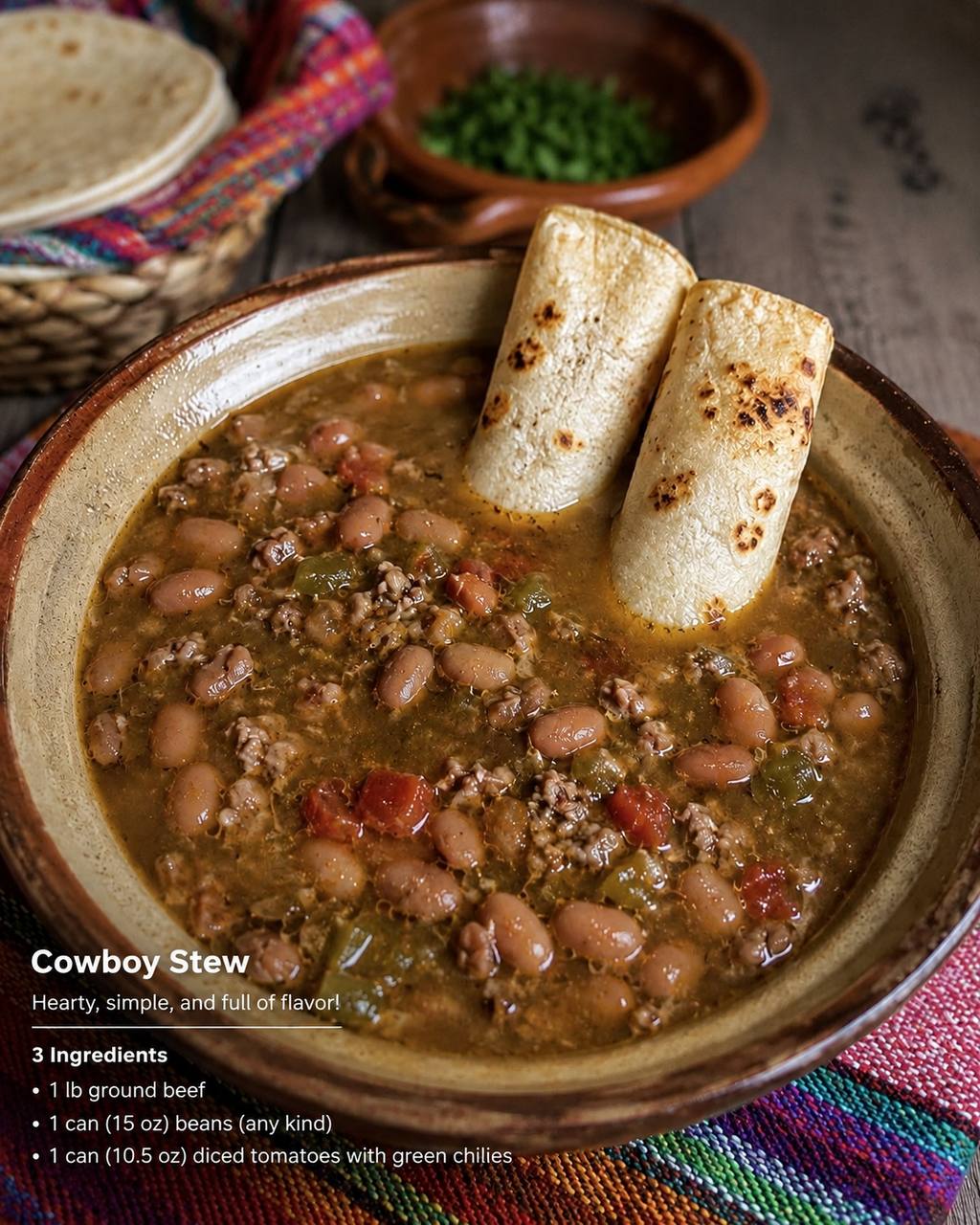
Instructions
- Sort and Rinse Beans: Begin by carefully sorting through the dried pinto beans. Spread them out on a clean counter or baking sheet and remove any small stones, debris, or shriveled beans. Rinse the sorted beans thoroughly under cold running water in a colander until the water runs clear.
- Soak the Beans (Optional but Recommended): For faster cooking and better digestibility, soak the beans. Place the rinsed beans in a large bowl and cover them with at least 3 inches of cold water (about 6-8 cups). Let them soak for a minimum of 4 hours, or preferably overnight. Alternatively, you can do a quick soak: bring the beans and water to a rolling boil for 5 minutes, then remove from heat, cover, and let stand for 1 hour.
- Drain and Rinse Soaked Beans: After soaking, drain the beans in a colander and rinse them again under cold water. This helps to remove some of the indigestible sugars that can cause gas.
- Prepare the Pot: Transfer the drained and rinsed pinto beans to a large, heavy-bottomed pot or Dutch oven.
- Add Water and Aromatics: Pour in 8-10 cups of fresh water, ensuring the beans are fully submerged with at least 2-3 inches of water above them. Add the quartered white onion, smashed garlic cloves, fresh epazote sprigs (if using), and whole serrano or jalapeño peppers (if using).
- Bring to a Boil: Place the pot over high heat and bring the water to a rolling boil.
- Reduce Heat and Simmer: Once boiling, reduce the heat to low, cover the pot, and let the beans simmer gently. The water should be barely bubbling, not boiling vigorously.
- Cook Until Tender: Cook the beans for 1.5 to 3 hours, or until they are completely tender and creamy. The exact cooking time will depend on the age of the beans and whether they were soaked. Stir occasionally to prevent sticking and add more hot water if needed to keep the beans submerged. Do not add cold water as it can toughen the beans.
- Add Fat (Optional): About 30-45 minutes before the beans are fully cooked, you can add 1-2 tablespoons of lard or olive oil. This step is optional but adds a wonderful richness and silkiness to the beans. If you are making vegan beans, ensure you use olive oil or omit this step.
- Season with Salt: It is crucial to add salt towards the end of the cooking process. Adding salt too early can toughen the bean skins and prolong cooking time. Once the beans are tender, stir in 1-2 teaspoons of salt, or to taste. Continue to simmer for another 15-20 minutes to allow the salt to fully penetrate the beans and develop their flavor.
- Adjust Consistency: If the beans are too soupy, remove the lid and simmer for a bit longer to allow some of the liquid to evaporate. If they are too thick, add a little more hot water or vegetable broth until desired consistency is reached. The ideal consistency is tender beans in a rich, slightly thickened broth.
- Serve: Discard the onion, garlic cloves, epazote, and peppers if you prefer, or leave them in for extra flavor. Serve the Frijoles de la Olla hot in bowls, with their delicious broth. They are excellent on their own, with warm tortillas, or as a side to any Mexican dish.
Cooking Tips and Variations
For the truest Frijoles de la Olla, patience is key. Slow simmering allows the beans to break down gradually, creating that coveted creamy texture and rich broth. Avoid rushing the process by cranking up the heat, as this can cause the beans to cook unevenly and burst their skins without becoming fully tender inside. Always add salt at the end; this is perhaps the most important tip for perfectly cooked beans. Adding it too early can prevent the beans from softening properly, no matter how long they cook.
To deepen the flavor even further, consider sautéing the onion and garlic in a little lard or oil before adding them to the pot with the beans and water. This simple step can unlock more aromatic compounds. If you can’t find fresh epazote, you can sometimes find dried epazote in specialty Mexican markets, or you can omit it. While its unique flavor is authentic, the beans will still be delicious without it. Another tip for creamier beans is to mash a small portion of the cooked beans against the side of the pot with a spoon or potato masher, then stir them back into the broth. This naturally thickens the liquid. For an extra layer of flavor, you can add a bay leaf to the pot while simmering.
Variations are endless once you master the basic Frijoles de la Olla. For a smoky flavor, you can add a smoked ham hock or a piece of bacon along with the beans during cooking (note: this makes them non-vegan). For a spicier kick, you can slice the serrano or jalapeño peppers instead of leaving them whole, or add a dried chile de árbol. If you prefer a heartier meal, you can transform these into “Frijoles Charros” by adding chopped bacon, sausage, and diced tomatoes, simmering them together after the beans are cooked. Alternatively, for a vegetarian hearty option, add sautéed bell peppers and corn. You can also experiment with different types of beans, though pinto beans are traditional for Frijoles de la Olla. Black beans, for instance, make excellent “Frijoles de la Olla Negros.”
Storage and Reheating
Frijoles de la Olla are fantastic for meal prepping, as they taste even better the next day when the flavors have had more time to meld. To store, allow the beans to cool completely at room temperature, which typically takes about 1-2 hours. Once cooled, transfer the beans and their broth to airtight containers. They can be stored in the refrigerator for up to 5-7 days. Make sure there is enough liquid to cover the beans to prevent them from drying out. If they look a bit dry after cooling, add a little extra water or broth before sealing the container.
For longer storage, Frijoles de la Olla freeze exceptionally well. Portion the cooled beans into freezer-safe containers or heavy-duty freezer bags, leaving about an inch of headspace if using rigid containers, as liquids expand when frozen. They can be stored in the freezer for up to 3-4 months. Label with the date for easy tracking.
To reheat, if refrigerated, simply transfer the desired amount of beans to a saucepan and heat gently over medium-low heat, stirring occasionally, until warmed through. If the beans have thickened too much, add a splash of water or vegetable broth to reach your desired consistency. When reheating from frozen, it’s best to thaw the beans in the refrigerator overnight. Once thawed, reheat them on the stovetop as you would refrigerated beans. Alternatively, you can reheat directly from frozen in a saucepan over low heat, stirring frequently and adding liquid as needed, though this will take longer. Avoid reheating in a microwave if possible, as it can sometimes dry out the beans or make them mushy in spots. However, if using a microwave, cover the dish and stir periodically to ensure even heating.
Frequently Asked Questions
What is epazote and why is it used in Frijoles de la Olla?
Epazote (pronounced eh-pah-ZOH-tay) is a pungent, leafy herb native to Central and South America, widely used in Mexican cuisine. It has a unique, strong flavor often described as a mix of oregano, anise, citrus, and mint, with a hint of petroleum. In Frijoles de la Olla, epazote is traditionally added not only for its distinct flavor but also because it is believed to help reduce the gassy effects often associated with eating beans, making them easier to digest. While optional, it imparts an authentic taste that is hard to replicate.
Can I cook Frijoles de la Olla in a slow cooker or instant pot?
Yes, absolutely! Both slow cookers and Instant Pots are excellent for making Frijoles de la Olla, often reducing the hands-on time significantly. For a slow cooker, combine all ingredients (except salt) and cook on low for 6-8 hours or on high for 3-4 hours, or until beans are tender. Add salt at the end. For an Instant Pot, combine sorted and rinsed (but not necessarily soaked) beans with water and aromatics. Cook on high pressure for 30-40 minutes (for unsoaked beans) or 15-20 minutes (for soaked beans), followed by a natural pressure release. Add salt after cooking.
Why should I wait to add salt until the end of cooking?
Adding salt too early in the bean cooking process can have a negative impact on the texture of the beans. Salt can interact with the pectin in the bean skins, preventing them from softening properly and leading to tough, chewy beans, even after extended cooking times. By adding salt towards the end, once the beans are already tender, you allow the salt to penetrate and season the fully cooked bean without hindering the softening process. This ensures a perfectly creamy and flavorful result.
What are some common ways to serve Frijoles de la Olla?
Frijoles de la Olla are incredibly versatile. The most traditional way to serve them is simply in a bowl, with a ladle of their delicious broth, accompanied by warm corn tortillas. They can be garnished with a sprinkle of fresh cilantro, a dollop of Mexican crema, or crumbled queso fresco. They also serve as the perfect base for making refried beans (frijoles refritos), as a filling for tacos, burritos, and sopes, or as a hearty side dish to grilled meats, enchiladas, or chiles rellenos. Many also enjoy them for breakfast, topped with a fried egg.