Instructions
For the Buttermilk Cake:
- Preheat your oven to 350°F (175°C). Grease and flour a 10-cup Bundt pan or a 9×13 inch baking pan.
- In a medium bowl, whisk together the all-purpose flour, baking soda, and salt. Set aside.
- In a large bowl, using an electric mixer, cream together the softened butter and granulated sugar on medium-high speed until light and fluffy, about 3-5 minutes.
- Add the eggs one at a time, beating well after each addition until fully incorporated. Stir in the vanilla extract.
- With the mixer on low speed, gradually add the dry ingredients to the wet ingredients in three additions, alternating with the buttermilk in two additions. Begin and end with the dry ingredients. Mix until just combined; do not overmix.
- Pour the cake batter evenly into the prepared pan.
- Bake for 35-45 minutes for a Bundt pan, or 30-35 minutes for a 9×13 inch pan, or until a wooden skewer inserted into the center comes out clean.
- Remove the cake from the oven and let it cool in the pan for 10-15 minutes before inverting it onto a wire rack to cool completely.
For the Caramel Icing:
- While the cake is cooling, prepare the caramel icing. In a medium saucepan, melt the butter over medium heat.
- Add the light brown sugar and cook, stirring constantly, until the sugar is dissolved and the mixture comes to a gentle boil. Continue to boil for 1-2 minutes, stirring occasionally.
- Remove the saucepan from the heat. Carefully stir in the heavy cream, vanilla extract, and salt. Be careful as the mixture may bubble up.
- Allow the mixture to cool slightly for about 5-10 minutes, stirring occasionally.
- Gradually whisk in the sifted powdered sugar, ½ cup at a time, until the icing reaches a smooth, pourable consistency. You may need more or less powdered sugar depending on your desired thickness.
Assembly:
- Once the cake is completely cool, place it on a serving plate or stand.
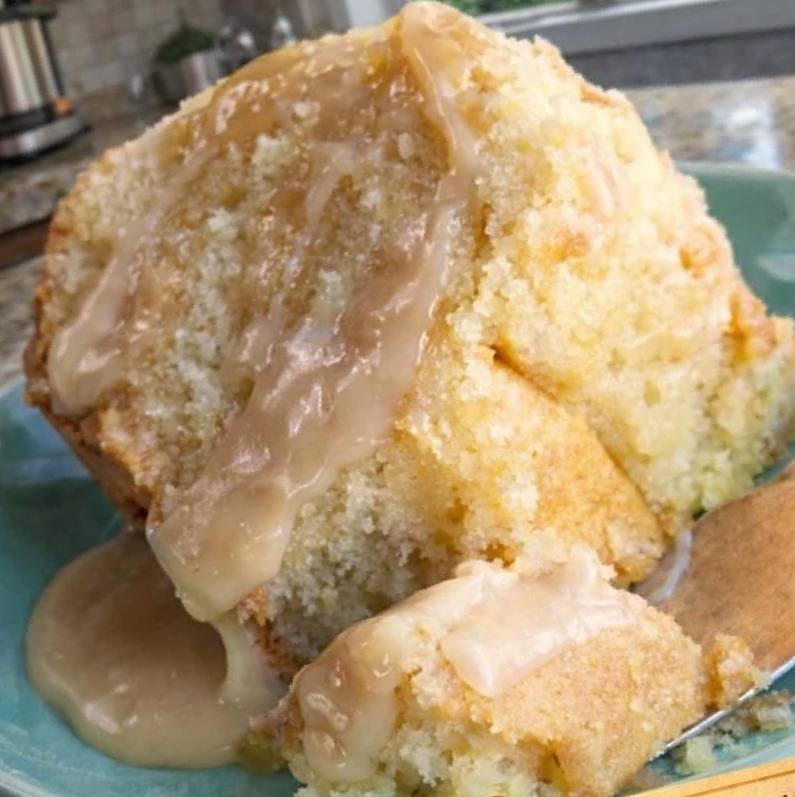
- Pour the warm caramel icing evenly over the cooled cake, allowing it to drip down the sides.
- Let the icing set slightly before slicing and serving.
Cooking Tips and Variations
Achieving the perfect texture and flavor in this cake starts with your ingredients. Always ensure your butter, eggs, and especially the buttermilk are at room temperature. This allows them to emulsify properly, creating a smoother batter and a more tender, even crumb. Cold ingredients can lead to a lumpy batter and a denser cake. When creaming the butter and sugar, don’t rush it; this step incorporates air, which is crucial for a light and fluffy cake. Beat them for the full 3-5 minutes until the mixture is visibly lighter in color and fluffy. For the dry ingredients, measuring flour correctly is key – spoon it into your measuring cup and level it off with a straight edge, rather than scooping directly from the bag, which can pack it too tightly and result in a dry cake.
The caramel icing, while seemingly simple, benefits from a few careful techniques. Use a heavy-bottomed saucepan to prevent scorching the sugar. When boiling the butter and brown sugar, stir constantly to ensure even melting and prevent crystallization. Once you add the cream, the mixture will bubble vigorously; this is normal. Allowing the mixture to cool slightly before adding powdered sugar helps prevent the icing from becoming too thin and ensures a smooth, pourable consistency. If your icing becomes too thick, you can add a tiny bit more warm cream, a teaspoon at a time, until it reaches the desired consistency. Conversely, if it’s too thin, gradually whisk in more sifted powdered sugar. A pinch of salt in the caramel is non-negotiable; it beautifully balances the sweetness and enhances the rich caramel flavor.
For variations, consider adding a cup of chopped toasted pecans or walnuts to the cake batter for a delightful nutty crunch. You could also swirl in a teaspoon of cinnamon or nutmeg with the dry ingredients for a spiced buttermilk cake that’s perfect for autumn. While the caramel icing is divine, a classic cream cheese frosting or a simple vanilla buttercream would also pair wonderfully with the moist buttermilk cake if you’re looking for a different flavor profile. For an extra touch of indulgence, sprinkle a little flaky sea salt over the caramel icing once it’s poured onto the cake – the sweet and salty combination is always a hit. You can also drizzle a bit of melted chocolate over the set caramel icing for an elegant finish.
Storage and Reheating
To store any leftover Best Buttery Buttermilk Cake with Caramel Icing, ensure it is completely cooled. Place the cake in an airtight container or cover it tightly with plastic wrap. Stored at room temperature, the cake will remain fresh and moist for up to 3-4 days. If you live in a very warm or humid climate, or if you want to extend its shelf life, you can store it in the refrigerator for up to a week. However, refrigerated cake can sometimes dry out slightly, so bring it back to room temperature before serving for the best texture and flavor. The caramel icing may firm up when cold, so allowing it to warm up naturally will restore its luscious consistency.
For longer storage, the unfrosted cake can be frozen. Once completely cooled, wrap the entire cake or individual slices tightly in plastic wrap, then again in aluminum foil. It can be stored in the freezer for up to 2-3 months. Thaw the cake overnight in the refrigerator, then bring it to room temperature before frosting or serving. The caramel icing is best made fresh, but if you have leftover icing, it can be stored in an airtight container in the refrigerator for up to a week. Reheat it gently in a saucepan over low heat, stirring frequently, or in the microwave in short bursts, stirring in between, until it reaches a pourable consistency. You may need to add a teaspoon of milk or cream if it’s too thick after reheating.
To reheat individual slices of the frosted cake, you can warm them gently in the microwave for 15-30 seconds, or until just warm. Be careful not to overheat, as this can dry out the cake and make the icing too runny. A warm slice of this cake is particularly delightful, especially if serving it with a scoop of vanilla bean ice cream. The warmth enhances the buttery flavors and softens the caramel icing beautifully, creating an even more indulgent experience. Always remember to store the cake properly to maintain its exquisite taste and texture for as long as possible.
Frequently Asked Questions
What is the secret to a moist buttermilk cake?
The secret to a truly moist buttermilk cake lies in the buttermilk itself. Its acidity reacts with the baking soda to create a tender crumb and helps break down gluten, preventing a tough texture. Additionally, using softened butter and eggs at room temperature, and not overmixing the batter, are crucial for maintaining moisture and achieving a light, airy consistency.
Can I make this cake ahead of time?
Yes, this cake is excellent for making ahead! You can bake the cake a day in advance and store it, unfrosted and tightly wrapped, at room temperature. Prepare the caramel icing on the day of serving, or you can make the icing a day ahead and gently reheat it before pouring over the cooled cake. This makes it a perfect dessert for entertaining.
Why did my caramel icing crystallize or become grainy?
Caramel icing can crystallize or become grainy if the sugar doesn’t fully dissolve, or if sugar crystals get onto the sides of the pan and fall back into the mixture. To prevent this, ensure you stir constantly when melting the butter and brown sugar until it’s completely smooth. Avoid scraping the sides of the pan once the mixture is boiling, and if crystals form on the sides, you can wipe them down with a wet pastry brush.
Can I use milk instead of buttermilk?
While you can substitute buttermilk with regular milk, the cake’s texture and flavor will be different. Buttermilk provides a unique tang and acidity that reacts with the leavening agents to create a softer, more tender crumb. If you don’t have buttermilk, you can make a DIY version by adding 1 tablespoon of lemon juice or white vinegar to a measuring cup, then filling the rest with regular milk to make 1 cup. Let it sit for 5-10 minutes until it slightly curdles before using.