Instructions
- Prepare the Cake Pans: Preheat your oven to 350°F (175°C). Grease and flour two 8-inch round cake pans or line with parchment paper circles.
- Combine Dry Ingredients: In a medium bowl, whisk together the 2 ½ cups all-purpose flour, baking powder, baking soda, and salt. Set aside.
- Cream Butter and Sugar: In a large mixing bowl, using an electric mixer, cream together the softened butter and granulated sugar on medium-high speed until light and fluffy, about 3-5 minutes.
- Add Eggs and Lemon Zest: Add the eggs one at a time, beating well after each addition until fully incorporated. Scrape down the sides of the bowl as needed. Stir in the lemon zest.
- Combine Wet Ingredients: In a separate small bowl or measuring cup, whisk together the ½ cup fresh lemon juice and 1 cup buttermilk.
- Alternate Dry and Wet: With the mixer on low speed, gradually add the dry ingredients to the butter mixture in three additions, alternating with the buttermilk mixture in two additions, beginning and ending with the dry ingredients. Mix until just combined, being careful not to overmix.
- Prepare Blueberries: In a small bowl, toss the 1 ½ cups blueberries with 1 tablespoon of all-purpose flour. This helps prevent them from sinking to the bottom of the cake and prevents bleeding.
- Fold in Blueberries: Gently fold the floured blueberries into the cake batter using a spatula.
- Bake the Cake Layers: Divide the batter evenly between the two prepared cake pans. Bake for 30-35 minutes, or until a wooden skewer inserted into the center comes out clean.
- Cool Cake Layers: Let the cake layers cool in the pans on a wire rack for 10-15 minutes before inverting them onto the wire rack to cool completely. Ensure they are fully cooled before assembling.
- Make the Pink Filling: While the cakes cool, prepare the filling. In a medium bowl, cream the ½ cup softened butter until smooth. Gradually add the 2 cups sifted powdered sugar, beating until creamy. Add the 2 tablespoons heavy cream or milk, ½ teaspoon vanilla extract, and pinch of salt. Beat until light and fluffy. Stir in the 2-3 tablespoons blueberry jam or puree until the desired pink color and flavor are achieved.
- Prepare the Lemonade Glaze: In a small bowl, whisk together the 2 cups sifted powdered sugar and ¼ cup fresh lemon juice. Add 1-2 tablespoons of milk or water, one teaspoon at a time, until you reach a smooth, pourable consistency. It should be thick enough to coat a spoon but thin enough to drip down the sides of the cake.
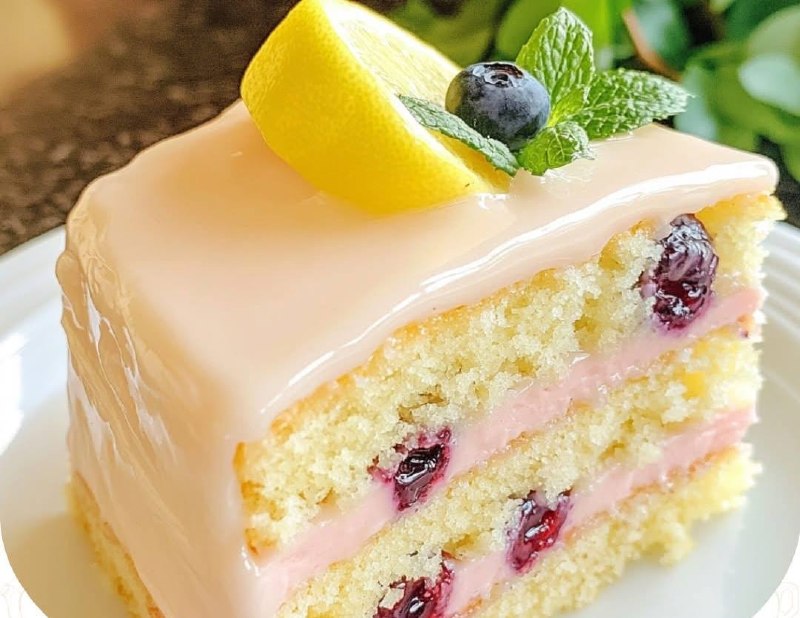
- Assemble the Cake: Once the cake layers are completely cool, place one cake layer on your serving plate or cake stand. Spread the pink filling evenly over the top of the first layer, leaving a small border. Carefully place the second cake layer on top.
- Glaze the Cake: Slowly pour the lemonade glaze over the top center of the cake, allowing it to drip down the sides naturally. You can use an offset spatula to gently guide the glaze if needed.
- Garnish and Serve: Immediately garnish the top of the cake with fresh blueberries, thin lemon slices or wedges, and fresh mint sprigs.
- Chill (Optional): For best results, allow the glaze to set for at least 30 minutes in the refrigerator before slicing and serving.
Cooking Tips and Variations
To achieve the ultimate Blueberry Lemonade Buttermilk Cake, paying attention to a few key details can make all the difference. Firstly, ensure all your cold ingredients, such as butter, eggs, and buttermilk, are at room temperature. This allows them to emulsify better, resulting in a smoother, more uniform batter and a finer crumb in the baked cake. When creaming the butter and sugar, don’t rush the process; beat them until truly light and fluffy, as this incorporates air and contributes to the cake’s tender texture. For the blueberries, always toss them in a tablespoon of flour before folding them into the batter. This simple trick creates a barrier that prevents them from sinking to the bottom of the cake and also minimizes color bleeding, keeping your cake beautifully speckled rather than uniformly purple.
When mixing the dry and wet ingredients into the creamed mixture, mix until just combined. Overmixing can develop the gluten in the flour too much, leading to a tough, dry cake. A few streaks of flour are acceptable; they will disappear during baking. To ensure your cake layers bake evenly and have flat tops, consider using cake strips around your pans. These insulated strips help the cake bake more uniformly, preventing doming and making assembly much easier. For the pink filling and lemonade glaze, the consistency is key. For the filling, if it’s too stiff, add a tiny bit more cream; if too thin, add more sifted powdered sugar. Similarly, for the glaze, adjust the liquid gradually until it’s pourable but still thick enough to cling to the cake and create appealing drips.
This recipe is also wonderfully versatile, allowing for several delightful variations. If you’re a fan of other berries, feel free to swap out the blueberries for raspberries or blackberries, adjusting the jam in the filling accordingly for color and flavor. For an extra layer of texture and a slightly sophisticated touch, you can add 1-2 tablespoons of poppy seeds to the dry ingredients for a Blueberry Lemon Poppy Seed Buttermilk Cake. If you desire a more intense lemon flavor, you can increase the lemon zest in the cake batter by another half teaspoon or add a tiny amount of lemon extract (about ¼ teaspoon) to the glaze. For a slightly different glaze, consider a cream cheese lemon frosting instead of the pourable glaze, which would add a richer, tangier element. Finally, for a single-layer cake option, you can bake the entire batter in a 9×13 inch pan, adjusting the baking time to around 35-45 minutes, and then top with the glaze and fresh berries.
Storage and Reheating
Proper storage is essential to maintain the freshness and deliciousness of your Blueberry Lemonade Buttermilk Cake. Once assembled and glazed, the cake is best stored in an airtight container. If you don’t have a container large enough for the whole cake, a cake dome or even loosely covering it with plastic wrap will work, though an airtight container provides the best protection against drying out and absorbing refrigerator odors. Store the cake in the refrigerator. The cold temperature helps to set the glaze and keeps the filling firm, preventing it from becoming too soft, especially in warmer environments. Stored this way, the cake will remain fresh and delicious for 3-4 days.
For serving, many people prefer this cake slightly chilled, as the cool temperature enhances the refreshing lemon flavor and the firmness of the filling. However, if you prefer your cake at room temperature, simply remove it from the refrigerator about 30-60 minutes before serving. This allows the cake layers to soften slightly and the flavors to fully open up. Be mindful of warm environments if leaving it out for an extended period, as the butter-based filling can soften quickly.
If you have individual slices leftover, they can be stored in the same manner, wrapped tightly in plastic wrap or placed in small airtight containers in the refrigerator. Freezing is also an option for longer-term storage, especially for unglazed or unfilled cake layers. To freeze, ensure cake layers are completely cooled. Wrap each layer tightly in plastic wrap, then an additional layer of aluminum foil. They can be frozen for up to 2-3 months. Thaw frozen layers in the refrigerator overnight before assembling and glazing. While you can freeze assembled and glazed cake slices, the texture of the glaze might change slightly upon thawing, becoming a bit softer. If freezing slices, wrap them individually. Thaw in the refrigerator and enjoy chilled.
Frequently Asked Questions
How can I prevent my blueberries from sinking to the bottom of the cake?
The best way to prevent blueberries from sinking is to toss them in a tablespoon of all-purpose flour before folding them into the cake batter. The flour creates a coating that helps them adhere to the batter, distributing them more evenly throughout the cake. This also helps prevent their color from bleeding too much into the batter, maintaining distinct blue specks.
Can I use frozen blueberries instead of fresh ones?
Yes, you can absolutely use frozen blueberries! There’s no need to thaw them before adding them to the batter. Simply toss them in flour (as described above) while they are still frozen and gently fold them in. Using frozen blueberries might slightly increase the baking time by a few minutes, so keep an eye on the cake and use the toothpick test for doneness.
My cake layers came out domed in the center; how can I get flatter layers?
Domes are common in cake baking due to the edges baking faster than the center. To achieve flatter layers, you can use “cake strips” (wet, insulated strips wrapped around the outside of your cake pans) that help the cake bake more evenly. Alternatively, you can level the cooled cake layers with a serrated knife before assembling. Also, ensure you don’t overfill your cake pans; leaving about an inch of space from the top usually helps.
What can I substitute for buttermilk if I don’t have any?
If you don’t have buttermilk on hand, you can easily make a substitute. For 1 cup of buttermilk, combine 1 cup of regular milk (dairy or non-dairy) with 1 tablespoon of fresh lemon juice or white vinegar. Stir it gently and let it sit for 5-10 minutes until it slightly curdles. This acidified milk will provide a similar tang and tenderizing effect to true buttermilk.