Instructions
- In a large mixing bowl, whisk together the all-purpose flour, baking powder, salt, and granulated sugar (if using). Make sure all dry ingredients are well combined to ensure even leavening.
- Create a well in the center of the dry ingredients. Pour in the warm water and 2 tablespoons of olive oil.
- Using a wooden spoon or a spatula, gradually mix the wet ingredients into the dry ingredients until a shaggy dough forms. Be careful not to overmix at this stage.
- Turn the dough out onto a lightly floured surface. Knead the dough for about 5-7 minutes, or until it becomes smooth and elastic. The dough should be soft and slightly tacky, but not overly sticky. If it’s too sticky, add a tiny bit more flour, one teaspoon at a time. If it’s too dry, add a tiny bit more water.
- Lightly grease a clean bowl with a little olive oil. Place the dough in the bowl, turning it once to coat. Cover the bowl with plastic wrap or a clean kitchen towel and let the dough rest in a warm place for 20-30 minutes. This resting period allows the gluten to relax, making the dough easier to roll and contributing to a tender final product.
- After resting, divide the dough into 6 equal pieces. On a lightly floured surface, take one piece of dough and flatten it gently with your hands.
- Using a rolling pin, roll each piece of dough into a round approximately 6-7 inches (15-18 cm) in diameter and about 1/4 inch (0.6 cm) thick. Try to keep the thickness consistent for even cooking. Dust with a little flour if the dough sticks to the rolling pin or surface.
- Heat a large, heavy-bottomed skillet or cast-iron pan over medium heat. Add about 1 teaspoon of olive oil to the pan and swirl to coat the bottom. You want enough oil to lightly grease the pan, but not so much that the bread fries deeply.
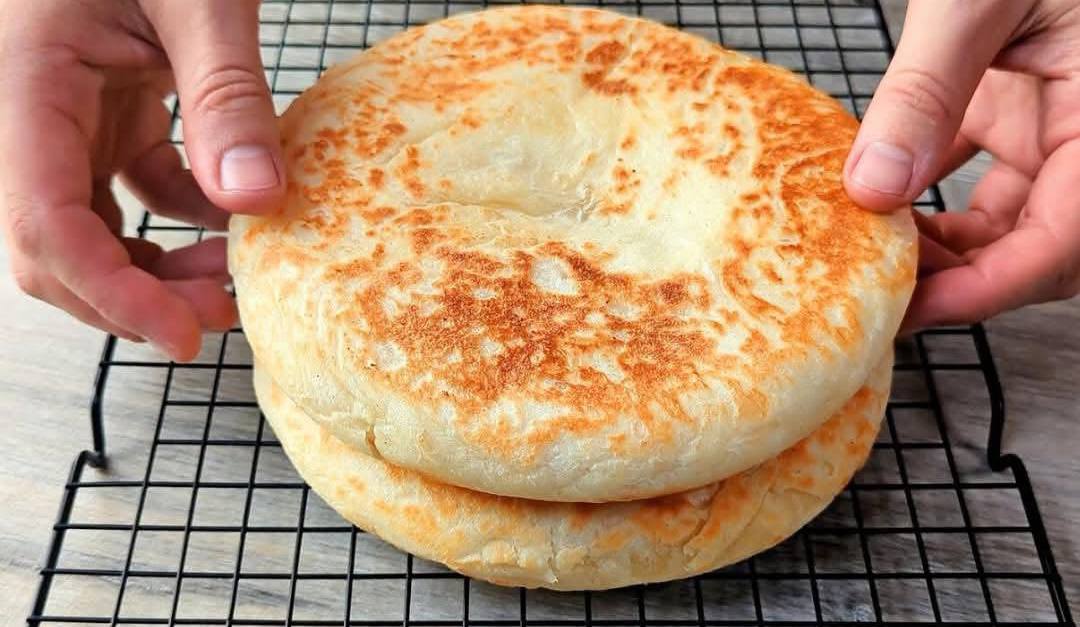
- Once the pan is hot, carefully place one rolled dough round into the skillet. Cook for 2-3 minutes per side, or until the bread is golden brown and puffy with mottled dark spots. The bread should start to bubble and puff up as it cooks.
- Flip the bread and cook for another 2-3 minutes on the second side, until it’s also golden brown and cooked through. The exact cooking time will depend on your stove and pan, so watch it closely.
- Remove the cooked bread from the skillet and place it on a wire cooling rack. You can cover it with a clean kitchen towel to keep it warm and soft while you cook the remaining pieces.
- Repeat the process with the remaining dough rounds, adding a little more olive oil to the pan as needed for each new piece of bread.
- Serve the warm breakfast bread immediately with your favorite toppings or accompaniments.
Cooking Tips and Variations
Achieving the perfect breakfast bread is all about a few key details. Firstly, the temperature of your water is crucial. It should be warm to the touch, but not hot enough to kill the baking powder’s leavening power. Aim for around 105-115°F (40-46°C). If it’s too cold, the dough won’t rise as effectively, leading to a denser bread. When kneading, don’t be afraid to get your hands in there. The goal is a smooth, elastic dough. If it feels too stiff, add a tiny amount of water; if too sticky, a little more flour. The dough should be pliable and easy to handle without excessive stickiness.
For cooking, a heavy-bottomed skillet or cast-iron pan is your best friend. These pans distribute heat more evenly, preventing hot spots that can burn your bread. Medium heat is key; too high and the outside will char before the inside cooks through, too low and the bread won’t get that beautiful golden color or puff up properly. Don’t crowd the pan; cook one bread at a time to maintain consistent heat and allow for proper browning. If you notice the bread cooking too quickly, slightly reduce the heat. Conversely, if it’s taking a long time to brown, increase the heat slightly.
To keep the cooked bread warm and soft while you finish the batch, stack them on a wire rack and loosely cover them with a clean kitchen towel. This traps the steam, keeping them from drying out. If you prefer a chewier texture, you can skip the towel and let them cool uncovered.
Recipe Variations:
- Herb Infusion: For a savory twist, knead 1-2 tablespoons of finely chopped fresh herbs like rosemary, thyme, chives, or parsley into the dough along with the water and oil.
- Garlic Parmesan: Add 1 teaspoon of garlic powder and 2 tablespoons of grated Parmesan cheese to the dry ingredients for a flavorful savory bread.
- Sweet Cinnamon Sugar: For a sweet treat, omit the salt and add 1/4 teaspoon of cinnamon to the dry ingredients. After cooking, brush with melted butter and sprinkle with a mixture of cinnamon and sugar.
- Whole Wheat Option: For a slightly heartier bread, substitute up to half of the all-purpose flour with whole wheat flour. You might need a tablespoon or two more water as whole wheat flour absorbs more liquid.
- Spicy Kick: Incorporate 1/2 teaspoon of red pepper flakes into the dry ingredients for a subtle heat, perfect with eggs or avocado.
- Dairy-Free/Vegan: This recipe is naturally dairy-free. Ensure your olive oil is not processed with animal products if strict veganism is a concern.
Storage and Reheating
This homemade breakfast bread is best enjoyed fresh and warm, straight from the pan. However, if you find yourself with leftovers, they can be stored and reheated to maintain their deliciousness.
Storage: Allow any leftover bread to cool completely to room temperature. Once cooled, place the bread in an airtight container or a resealable plastic bag. Store at room temperature for up to 2 days. For longer storage, you can refrigerate the bread for up to 4 days, though it may become slightly firmer. For extended storage, the bread freezes beautifully. Wrap individual pieces tightly in plastic wrap, then place them in a freezer-safe bag or container. They can be frozen for up to 1 month.
Reheating:
- Skillet/Pan: This is the best method for reheating, as it helps restore some of the crispness. Heat a dry skillet over medium-low heat. Place the bread directly in the pan and heat for 1-2 minutes per side, or until warmed through and slightly crisp again. If desired, you can add a tiny bit of oil or butter to the pan.
- Oven/Toaster Oven: Preheat your oven or toaster oven to 350°F (175°C). Place the bread directly on the oven rack or on a baking sheet. Heat for 3-5 minutes, or until warmed through. This method also helps to crisp up the exterior.
- Microwave: While convenient, the microwave tends to make the bread softer and less crisp. If using, heat for 10-20 seconds for a single piece, or until just warm. Be careful not to overheat, as it can become rubbery. This method is best if you prefer a very soft texture.
When reheating from frozen, it’s best to thaw the bread at room temperature first for about 30 minutes, then reheat using the skillet or oven method for optimal texture.
Frequently Asked Questions
What makes this bread “breakfast bread” instead of just a regular flatbread?
While technically a type of flatbread, it earns the “breakfast bread” title due to its quick cooking time, simple ingredients, and versatile nature that pairs perfectly with common breakfast items. Unlike many traditional flatbreads that might be seasoned for savory meals, this recipe is designed to be a blank canvas, easily adaptable to sweet spreads like jam and honey, or savory additions like eggs and bacon, making it ideal for the first meal of the day.
Can I prepare the dough ahead of time?
Yes, you can prepare the dough a day in advance. After kneading, place the dough in an oiled bowl, cover tightly with plastic wrap, and refrigerate overnight. The next morning, remove the dough from the refrigerator and let it sit at room temperature for about 30 minutes to an hour before rolling and cooking. This allows the dough to relax and come closer to room temperature, making it easier to work with.
Why isn’t my bread puffing up like the picture?
Several factors can affect how much your bread puffs. Ensure your baking powder is fresh and active – expired baking powder won’t provide enough lift. The heat of your pan is also crucial; it needs to be consistently medium-hot to create steam within the dough, which causes it to puff. If the pan isn’t hot enough, the bread will cook through but won’t inflate. Finally, consistent thickness when rolling is important; thin spots can cook too quickly and prevent even puffing.
What are some good serving suggestions for this breakfast bread?
This bread is incredibly versatile! For a classic sweet breakfast, serve it warm with butter, your favorite fruit jam, honey, or a drizzle of maple syrup. You can also sprinkle it with cinnamon sugar. For savory options, it’s excellent alongside scrambled or fried eggs, bacon, sausage, or even a simple avocado spread. It can also be used as a base for an open-faced breakfast sandwich or dipped into a hearty breakfast stew.