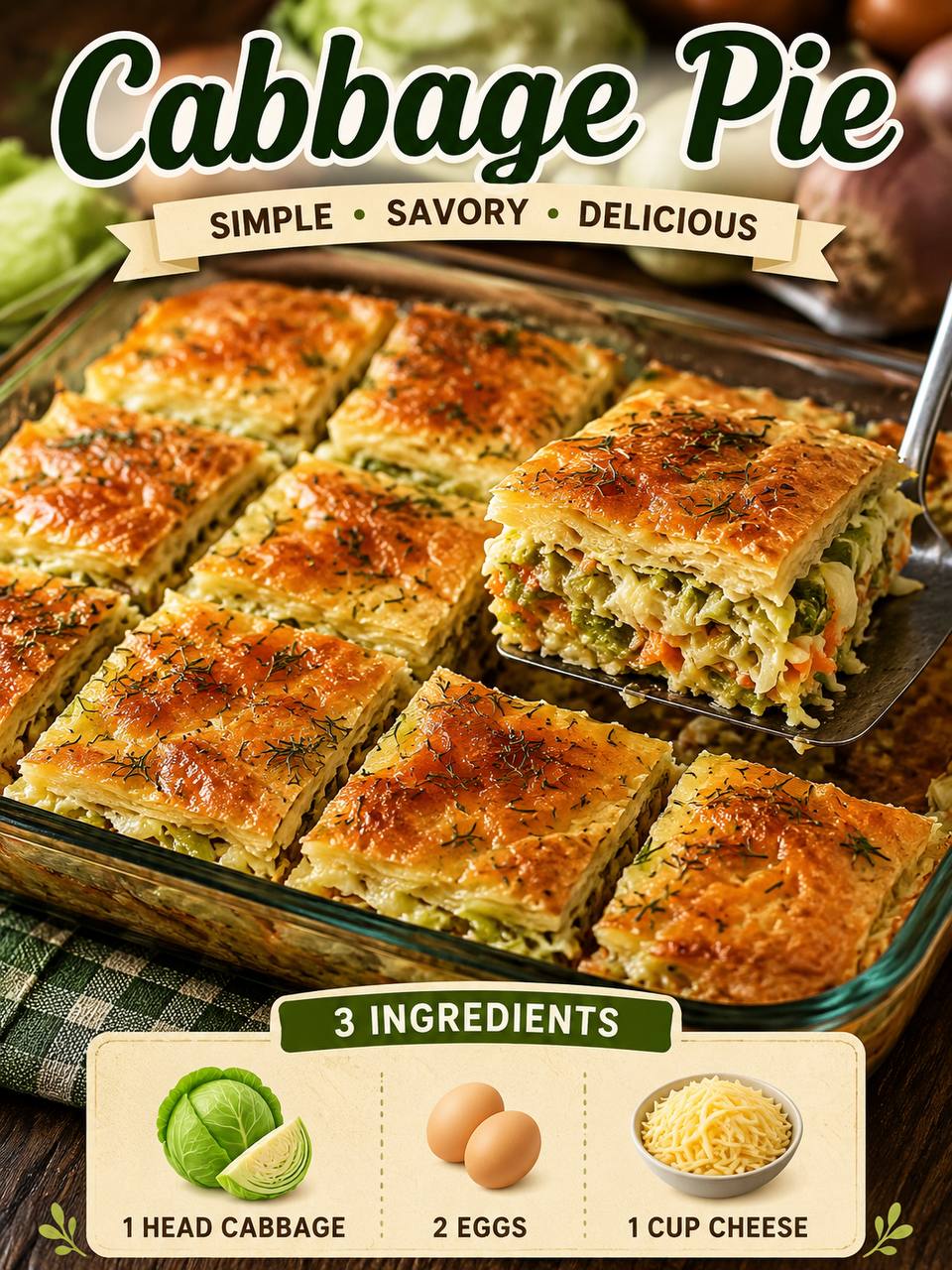
Instructions
- Prepare the Cabbage: Remove any tough outer leaves from the cabbage. Cut the cabbage into quarters, remove the core, and then finely shred it using a sharp knife, mandoline, or food processor. Aim for thin, uniform strips.
- Sauté the Cabbage (and aromatics): Heat 2 tablespoons of olive oil or butter in a large skillet or Dutch oven over medium heat. Add the shredded cabbage. If using, add the diced onion and shredded carrot at this stage. Sauté for 10-15 minutes, stirring occasionally, until the cabbage has softened significantly and reduced in volume. It should be tender but not mushy. If using, add minced garlic during the last 2 minutes of cooking. Remove from heat and let it cool slightly.
- Prepare the Filling: In a large mixing bowl, combine the cooled, sautéed cabbage mixture. Add the lightly beaten eggs, shredded cheese, 1 teaspoon of dried dill, salt, black pepper, and the pinch of nutmeg (if using). Mix thoroughly until all ingredients are well combined. The mixture should be moist but not watery.
- Preheat Oven and Prepare Baking Dish: Preheat your oven to 375°F (190°C). Lightly grease a 9×13 inch (or similar sized) rectangular baking dish with butter or cooking spray.
- Prepare the Phyllo Dough: If using phyllo dough, carefully unroll it from its package. Keep the sheets covered with a damp kitchen towel while you work to prevent them from drying out and cracking. Melt the remaining 2 tablespoons of olive oil or butter in a small bowl for brushing.
- Assemble the Pie (Phyllo Dough Method): Lay one sheet of phyllo dough in the prepared baking dish, allowing the ends to hang over the sides. Brush lightly with melted butter or olive oil. Repeat this process with 4 more sheets of phyllo, overlapping them slightly and brushing each with butter/oil, creating a base layer of 5 sheets.
- Add the Filling: Carefully spread the cabbage and cheese filling evenly over the phyllo base in the baking dish.
- Create the Top Layer: Lay another sheet of phyllo dough over the filling, brush with butter/oil. Repeat with 3-4 more sheets, brushing each. Trim any excessive overhang if needed, but leave enough to create a slightly rustic edge. You can gently crinkle the top layers for added texture.
- Seal and Cut: Fold the overhanging phyllo edges from the bottom layer over the top layers, creating a rustic seal around the perimeter. Brush the entire top surface generously with the remaining melted butter or oil. Using a sharp knife, gently score the top layers of phyllo into desired serving squares or rectangles. Do not cut all the way through to the filling, just the top layers. This helps prevent the top crust from puffing too much and makes slicing easier after baking.
- Assemble the Pie (Puff Pastry Method – Alternative): If using puff pastry, roll out one sheet to fit the bottom of your 9×13 inch baking dish, with a slight overhang. Place it in the dish. Spread the cabbage filling evenly over the pastry. Roll out the second sheet of puff pastry to cover the top. Moisten the edges of the bottom pastry with water and press the top pastry firmly onto the bottom to seal. Crimp the edges with a fork. Cut a few slits in the top crust to allow steam to escape. Brush the top with an egg wash (1 egg beaten with 1 tbsp water) for a golden finish.
- Bake the Pie: Place the baking dish in the preheated oven. Bake for 30-40 minutes, or until the top crust is golden brown and flaky, and the filling is set. The baking time may vary slightly depending on your oven. If the top is browning too quickly, you can loosely tent it with aluminum foil.
- Rest and Serve: Once baked, remove the Cabbage Pie from the oven and let it rest for 10-15 minutes before slicing. This allows the filling to set completely and makes for cleaner cuts. Garnish with a sprinkle of fresh or dried dill before serving.
Cooking Tips and Variations
To achieve the crispiest, most golden phyllo crust, don’t skimp on the butter or olive oil for brushing. Each layer needs a light coating to turn that beautiful golden-brown and become shatteringly crisp. An egg wash (one egg beaten with a tablespoon of water) brushed over the top phyllo layers or puff pastry will also enhance both color and shine. For an even richer flavor, you can brown the butter slightly before brushing. Remember to keep unused phyllo sheets covered with a damp cloth to prevent them from drying out and cracking, as they are notoriously delicate.
The beauty of this Cabbage Pie lies in its adaptability. For a brighter, fresher flavor, incorporate a tablespoon of fresh parsley or chives into the filling. A pinch of red pepper flakes will add a subtle warmth and kick, while a dash of smoked paprika can introduce a lovely smoky depth. Consider using different cheeses – Gruyere offers a nutty complexity, while a sharp Parmesan adds a salty bite. To make it a heartier meal, you can easily add cooked, crumbled sausage, bacon bits, or even shredded cooked chicken to the cabbage filling. Other vegetables like sautéed mushrooms, bell peppers, or spinach (squeezed dry) could also be folded in for extra nutrition and flavor. If you prefer a richer filling, a tablespoon or two of sour cream or cream cheese can be mixed in with the eggs.
This Cabbage Pie is incredibly versatile for serving. It shines as a standalone light lunch or dinner, especially when paired with a simple green salad dressed with a tangy vinaigrette. For a more substantial meal, serve it alongside a bowl of clear broth soup or a hearty lentil soup. It also makes an excellent side dish for roasted meats or poultry, offering a comforting and flavorful alternative to traditional potato or rice accompaniments. Cut into smaller squares, it transforms into a delightful appetizer for gatherings, perfect for passing around as finger food. A dollop of sour cream or Greek yogurt on the side can add a refreshing contrast to the savory pie.
Storage and Reheating
To store leftover Cabbage Pie, allow it to cool completely to room temperature. Once cooled, cover the baking dish tightly with plastic wrap or aluminum foil, or transfer individual slices to an airtight container. Store in the refrigerator for up to 3-4 days. For longer storage, you can freeze individual slices. Wrap each slice tightly in plastic wrap, then again in aluminum foil, and place in a freezer-safe bag or container. It can be frozen for up to 2-3 months. Thaw frozen slices in the refrigerator overnight before reheating.
For the best results and to retain the crispiness of the crust, reheating Cabbage Pie in the oven is highly recommended. Preheat your oven to 350°F (175°C). Place the slices directly on a baking sheet. Reheat for 10-15 minutes, or until warmed through and the crust has re-crisped. If reheating from frozen, it may take 20-30 minutes. You can also reheat individual slices in a toaster oven for a similar effect. While possible, reheating in a microwave is not ideal as it tends to make the crust soggy, though it will warm the filling quickly. If using a microwave, reheat in short bursts (30-60 seconds) until hot.
Frequently Asked Questions
What kind of cabbage is best for Cabbage Pie?
Green cabbage is typically the best choice for Cabbage Pie. Its leaves are tender enough to soften beautifully when cooked, and it has a mild, slightly sweet flavor that complements the other ingredients without being overpowering. While red cabbage could technically be used, it might bleed color into the filling, and its flavor is often a bit stronger, which might alter the overall taste profile of this particular pie.
Can I make Cabbage Pie ahead of time?
Yes, you can absolutely prepare Cabbage Pie ahead of time! You have a couple of options. You can prepare the cabbage filling mixture (steps 1-3) and store it in an airtight container in the refrigerator for up to 2 days. When ready to bake, proceed with assembling the pie. Alternatively, you can fully assemble the pie (up to step 10) and cover it tightly with plastic wrap, then refrigerate for up to 24 hours before baking. Just be sure to allow it to come closer to room temperature for about 30 minutes before baking, and you might need to add an extra 5-10 minutes to the baking time.
Is Cabbage Pie gluten-free?
As traditionally made with phyllo dough or puff pastry, Cabbage Pie is not gluten-free. However, it can easily be adapted! Many brands now offer gluten-free phyllo dough or puff pastry in the frozen aisle of well-stocked supermarkets. Simply substitute the regular dough for the gluten-free version, and follow the rest of the recipe as directed. Always double-check ingredient labels if you have severe gluten sensitivities.
Can I add meat to this Cabbage Pie?
Absolutely! Adding meat is a fantastic way to make this Cabbage Pie even heartier and more of a complete meal. Cooked ground beef, pork, or turkey, crumbled sausage (breakfast or Italian), or even shredded cooked chicken would all be delicious additions. If using ground meat or sausage, brown it in the skillet before adding the cabbage, then drain any excess fat. If using cooked shredded chicken or ham, simply stir it into the cabbage and egg mixture along with the cheese.