Instructions
- Preheat your oven to 350°F (175°C). Lightly butter a 9×13-inch baking dish.
- Spread the bread cubes in a single layer on a large baking sheet. Toast in the preheated oven for 10-15 minutes, or until lightly golden and slightly crisp. This step helps the bread absorb the liquid without becoming mushy. Remove from oven and let cool slightly.
- In a medium saucepan, combine the piloncillo (or brown sugar), 1/2 cup water, and cinnamon stick. Bring to a simmer over medium heat, stirring occasionally, until the piloncillo is completely dissolved and the mixture forms a light syrup. This usually takes about 5-7 minutes. If using ground cloves, add them to the syrup now. Remove from heat, discard the cinnamon stick, and let the syrup cool slightly.
- In a large bowl, whisk together the eggs, whole milk, melted butter, vanilla extract, and pinch of salt until well combined.
- Slowly pour the slightly cooled piloncillo syrup into the egg mixture, whisking constantly to ensure the eggs don’t scramble.
- Place the toasted bread cubes into the prepared baking dish. Scatter half of the chopped pecans and half of the raisins evenly over the bread.
- Pour the egg and syrup mixture evenly over the bread, pecans, and raisins. Gently press down on the bread cubes with a spatula to ensure they are fully submerged and absorb the liquid. Let the pudding sit for 15-20 minutes, allowing the bread to soak up the custard.
- After soaking, scatter the remaining chopped pecans and raisins over the top of the pudding.
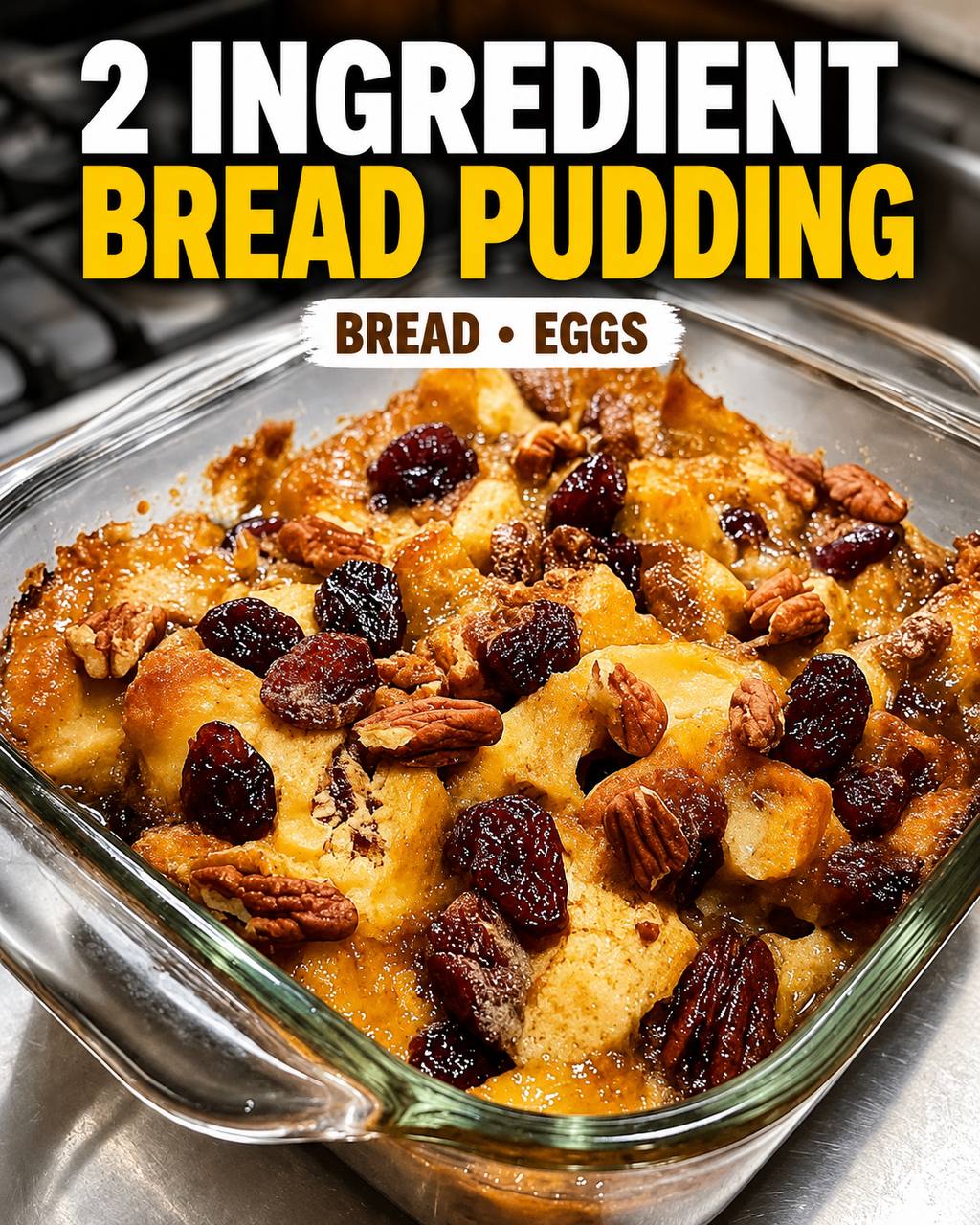
- Bake for 45-55 minutes, or until the Capirotada is golden brown on top, set in the center (a knife inserted into the center should come out mostly clean), and the edges are bubbly.
- Remove from the oven and let cool on a wire rack for at least 15-20 minutes before serving. This allows the pudding to set further and makes it easier to serve.
Cooking Tips and Variations
For the best Capirotada experience, the choice of bread is crucial. Day-old French bread or bolillo rolls are ideal because their texture holds up well to soaking without becoming overly soggy. If you can’t find these, a sturdy white bread or even brioche can work, but avoid very soft, fresh sandwich bread. Toasting the bread cubes beforehand is a game-changer; it creates a slightly crispy exterior that provides structure and prevents the pudding from becoming a uniform mush. Don’t skip this step!
Achieving the perfect custard consistency is key. Ensure your piloncillo syrup is slightly cooled before adding it to the egg mixture. Pouring hot syrup directly into cold eggs can lead to scrambled eggs. Whisk continuously as you combine them to create a smooth, homogenous custard base. For an extra rich Capirotada, you can substitute half of the milk with heavy cream.
While this recipe highlights pecans and raisins, feel free to customize it. Traditional Capirotada often includes a layer of mild cheese, such as Colby or Monterey Jack, which melts beautifully and adds a surprising savory counterpoint to the sweetness. You could also experiment with other dried fruits like chopped dried apricots, cranberries, or even shredded coconut for different flavor profiles. A pinch of orange zest in the custard can brighten the flavors beautifully. For an even more intense spice, add a whole star anise to the piloncillo syrup as it simmers, removing it before mixing with the eggs.
Don’t overbake your Capirotada. Overbaking can lead to a dry, rubbery texture. Keep an eye on it during the last 10-15 minutes of baking. The center should still have a slight jiggle when gently shaken, as it will continue to set as it cools. If the top is browning too quickly, you can loosely tent it with aluminum foil.
Storage and Reheating
Capirotada is best enjoyed warm, but it’s also delicious at room temperature or even chilled. To store any leftovers, cover the baking dish tightly with plastic wrap or transfer individual portions to airtight containers. It will keep well in the refrigerator for up to 3-4 days. The flavors tend to meld and deepen overnight, making it a wonderful make-ahead dessert or breakfast option.
To reheat Capirotada, you have a few options depending on how much you’re reheating. For individual servings, the microwave is your quickest friend. Place a slice on a microwave-safe plate and heat on medium power for 30-60 seconds, or until warmed through. Be careful not to overheat, as this can dry out the pudding.
For larger portions or an entire dish, reheating in the oven is recommended to maintain its texture. Preheat your oven to 300°F (150°C). Cover the Capirotada with aluminum foil to prevent it from drying out, and bake for 15-25 minutes, or until thoroughly heated. If you like a slightly crispy top, you can remove the foil for the last 5 minutes of reheating. Avoid reheating multiple times to prevent it from becoming overly dry.
Frequently Asked Questions
What kind of bread is best for Capirotada?
Day-old French bread, bolillo rolls, or even a sturdy white bread like challah or brioche work best. The slightly stale nature of the bread allows it to absorb the custard mixture without becoming mushy, yielding a tender yet structured pudding.
Can I make Capirotada ahead of time?
Absolutely! Capirotada is a fantastic make-ahead dish. You can assemble the entire pudding, pour the custard over it, and let it soak in the refrigerator overnight before baking the next day. This allows the flavors to fully meld and the bread to become perfectly saturated. You can also bake it completely, cool it, and then reheat it when ready to serve.
What can I use if I don’t have piloncillo?
If piloncillo (Mexican brown sugar cones) is not available, you can easily substitute it with packed light or dark brown sugar. The flavor profile will be very similar, though piloncillo offers a slightly deeper, more complex caramel note. You can also add a tablespoon of molasses to brown sugar for a closer match to piloncillo’s richness.
Is Capirotada always served warm?
While Capirotada is traditionally enjoyed warm, it is also delicious served at room temperature or even chilled. The texture becomes firmer when cold, making it a refreshing treat on a warm day. The choice of serving temperature is entirely up to personal preference.