Instructions
- Preheat your oven to the temperature specified on your cake mix box, typically 350°F (175°C). Grease and flour a 9×13 inch baking pan, or spray generously with non-stick baking spray.
- Prepare the cake mix according to the package directions. This usually involves combining the cake mix with eggs, oil, and water in a large bowl and mixing until smooth.
- Pour the prepared cake batter evenly into your greased and floured 9×13 inch baking pan.
- Bake the cake according to the package instructions, typically for 28-32 minutes, or until a wooden skewer or toothpick inserted into the center comes out clean.
- Once baked, remove the cake from the oven and place it on a wire rack to cool for about 10-15 minutes. Do not remove it from the pan.
- While the cake is still warm, use a fork, skewer, or the back of a wooden spoon to poke holes all over the top surface of the cake. Make sure to poke generously, about half to three-quarters of the way through the cake, covering the entire surface.
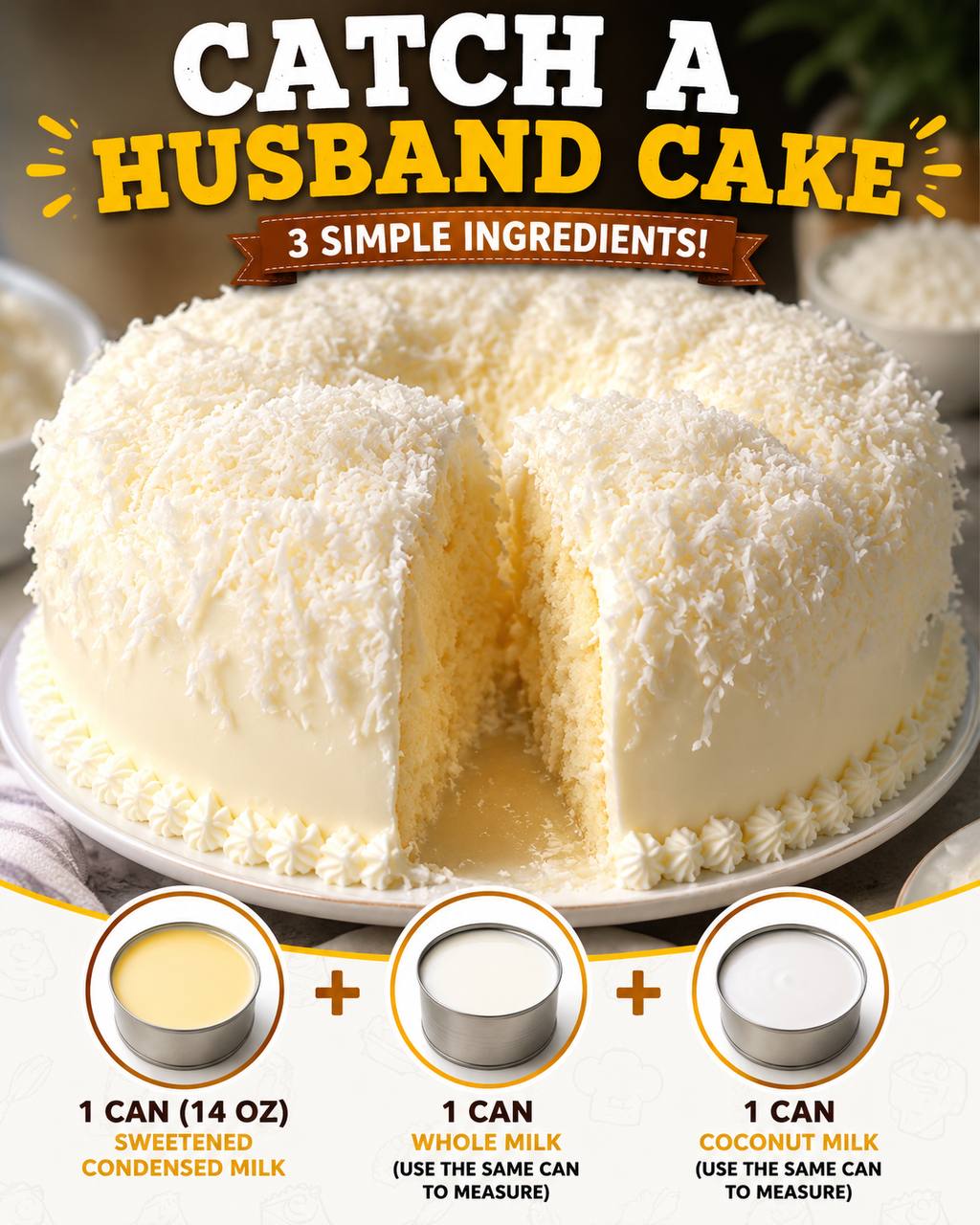
- In a medium bowl, whisk together the sweetened condensed milk, full-fat coconut milk, and evaporated milk (or whole milk). Ensure the mixture is well combined.
- Slowly and evenly pour the milk mixture over the warm, poked cake, making sure to distribute the liquid over the entire surface. The cake will absorb the liquid. Take your time to ensure even coverage.
- Once the milk mixture has been poured, cover the cake pan loosely with plastic wrap or aluminum foil.
- Transfer the cake to the refrigerator and chill for at least 4 hours, but preferably overnight. This chilling time is crucial for the cake to fully absorb the liquids and become incredibly moist and flavorful.
- Just before serving, spread the thawed whipped topping evenly over the chilled cake.
- Generously sprinkle the shredded coconut over the entire surface of the whipped topping. If desired, you can lightly toast about half a cup of the shredded coconut in a dry skillet over medium-low heat until golden brown for an extra layer of flavor and crunch, then sprinkle it on top of the untoasted coconut.
- Slice and serve cold. Enjoy your irresistible Catch A Husband Cake!
Cooking Tips and Variations
To truly master the Catch A Husband Cake and make it your own, consider these tips and variations. First and foremost, don’t skimp on the chilling time. This is perhaps the most critical step for achieving that signature ultra-moist, melt-in-your-mouth texture. The longer the cake sits in the refrigerator, the more thoroughly it absorbs the delicious milk mixture, transforming from a simple cake into a luscious, soaked dream. Aim for at least 4 hours, but an overnight chill truly makes all the difference, allowing the flavors to meld and deepen beautifully.
When selecting your cake mix, opt for a plain vanilla or white cake mix. These neutral bases allow the star of the show – the rich, creamy, and tropical coconut flavor from the milk soak – to shine through without competition from other strong flavors. While chocolate might sound tempting, it would overpower the delicate coconut notes that make this cake so special. For an extra layer of flavor and a delightful textural contrast, consider toasting some of your shredded coconut. Simply spread a portion of the coconut in a dry skillet over medium-low heat, stirring frequently until it turns golden brown and fragrant. This adds a warm, nutty dimension that elevates the overall experience. Let it cool completely before sprinkling it over the finished cake.
For garnishes, think fresh and vibrant. Fresh berries like raspberries or blueberries offer a lovely tart counterpoint to the cake’s sweetness, while slices of fresh mango or pineapple can enhance the tropical theme. A sprinkle of lime zest over the top can add a bright, aromatic lift that cuts through the richness. If you’re feeling fancy, edible flowers can provide a beautiful visual appeal. For those with dietary considerations, you can experiment with substitutions. Using light coconut milk and reduced-fat sweetened condensed milk will result in a slightly less rich cake but can still be delicious. Plant-based milks can also be used, though they may alter the final texture and flavor slightly. Just be mindful that any changes will impact the overall richness and moisture level that the traditional recipe delivers so perfectly.
Storage and Reheating
Storing your Catch A Husband Cake properly is key to maintaining its incredible moisture and flavor. Due to the milk-based soak and the whipped topping, this cake absolutely must be kept refrigerated. Cover the cake pan tightly with plastic wrap or aluminum foil to prevent it from drying out and to protect it from absorbing any refrigerator odors. Stored correctly, the cake will remain fresh and delicious for 3-4 days. In fact, many people find that the flavor actually improves on the second day as the milks continue to permeate the cake.
Reheating this cake is generally not recommended, as it is meant to be served chilled. Warming it up would compromise its delicate, moist texture and could cause the whipped topping to melt and separate, leading to a less appealing result. The beauty of this cake lies in its cool, refreshing quality, especially with the rich coconut notes. So, simply take it out of the refrigerator, slice, and enjoy it cold!
Frequently Asked Questions
Can I make this cake ahead of time for a party?
Absolutely, and it’s highly recommended! This cake benefits immensely from an overnight chill, allowing the milk mixture to fully soak into the cake and develop its rich, moist texture. You can bake the cake, poke it, pour the milk mixture over it, cover, and refrigerate it up to 2 days in advance. Add the whipped topping and shredded coconut just a few hours before serving for the freshest presentation.
What if I don’t have evaporated milk? Can I use regular milk?
Yes, you can substitute whole milk for evaporated milk. The recipe typically calls for measuring the whole milk using the empty sweetened condensed milk can, which usually amounts to about 12 ounces. While evaporated milk offers a slightly richer, more concentrated flavor, whole milk will still provide excellent results and contribute to the cake’s moistness without significantly altering the overall profile.
My cake isn’t absorbing all the liquid. What did I do wrong?
There are a few reasons this might happen. First, ensure you’ve poked enough holes, deep enough, and evenly distributed across the entire cake surface. Second, the cake should still be warm when you pour the milk mixture over it; a warm cake absorbs liquid more readily than a completely cooled one. Finally, make sure you’re giving it ample time to chill in the refrigerator – the absorption process continues over several hours. If there’s a small amount of liquid pooling at the bottom after chilling, that’s normal for a very moist cake and contributes to its deliciousness.