Introduction
There’s something undeniably magical about a truly classic cookie, and when that cookie requires just three simple ingredients, it feels like pure kitchen wizardry. Welcome to the wonderful world of homemade shortbread cookies, a beloved treat that proves you don’t need a pantry full of exotic items to create something utterly delicious and deeply satisfying. These Classic 3-Ingredient Homemade Shortbread Cookies are the epitome of simple elegance, delivering a buttery, crumbly, melt-in-your-mouth experience that has delighted generations.
Shortbread cookies hold a special place in the hearts of bakers and eaters alike, cherished for their rich, buttery flavor and delicate, crumbly texture. Originating in Scotland, this humble biscuit has become a global phenomenon, adored for its straightforward appeal. What makes shortbread so special is its reliance on high-quality butter, which is the star of the show, imparting an unparalleled richness that artificial flavors simply cannot replicate. It’s a testament to the power of quality ingredients and a straightforward technique.
Prepare yourself for a delightful baking journey that promises perfectly crisp edges, a tender interior, and that signature buttery taste that defines true shortbread. With just butter, sugar, and flour, you’re about to create a batch of cookies that are perfect for afternoon tea, a thoughtful gift, or simply a moment of pure, unadulterated indulgence. Get ready to experience the pure joy of classic, homemade shortbread – it’s simpler and more delicious than you ever imagined.
Nutritional Information
Per serving (approximate values, based on 24 cookies from a standard recipe):
- Calories: 150-180
- Protein: 1-2g
- Carbohydrates: 15-20g
- Fat: 10-14g
- Fiber: 0-1g
- Sodium: 50-70mg
Ingredients
- 1 cup (2 sticks or 226g) unsalted butter, softened to room temperature
- 1/2 cup (100g) granulated sugar (or superfine/caster sugar for a finer crumb)
- 2 cups (240g) all-purpose flour
- Optional: 1/4 teaspoon fine sea salt (enhances flavor)
- Optional: 1 teaspoon vanilla extract (adds aromatic depth)
Instructions
- Prepare Your Workspace: Preheat your oven to 325°F (160°C). Line a large baking sheet with parchment paper. This prevents sticking and makes cleanup a breeze.
- Cream the Butter and Sugar: In a large mixing bowl, using an electric mixer (stand mixer with paddle attachment or hand mixer), cream together the softened unsalted butter and granulated sugar on medium speed. Beat for 2-3 minutes, or until the mixture is light in color and fluffy. If using optional vanilla extract, add it at this stage and mix until just combined.
- Add the Flour: Gradually add the all-purpose flour to the creamed butter and sugar mixture, about half a cup at a time. Mix on low speed until just combined. Be careful not to overmix the dough. Overmixing develops the gluten in the flour, which can lead to tough cookies instead of the desired tender, crumbly texture. If using optional salt, whisk it into the flour before adding.
- Form the Dough: The dough will be thick and crumbly. Gather it together and press it into a cohesive ball. You might need to use your hands to fully bring it together.
- Chill the Dough (Optional but Recommended): For easier handling and to prevent spreading, wrap the dough in plastic wrap and chill it in the refrigerator for 20-30 minutes. This step helps the butter firm up, resulting in sharper edges and a more uniform bake.
- Roll and Cut the Dough: On a lightly floured surface or between two sheets of parchment paper, roll out the chilled dough to an even thickness of about 1/4 to 1/2 inch (0.6 to 1.2 cm). For classic rectangular shortbread, use a sharp knife or a pastry wheel to cut the dough into desired shapes, typically rectangles or squares. You can also use cookie cutters for other shapes.
- Arrange on Baking Sheet: Carefully transfer the cut shortbread pieces to the prepared baking sheet, leaving about 1 inch (2.5 cm) of space between each cookie.
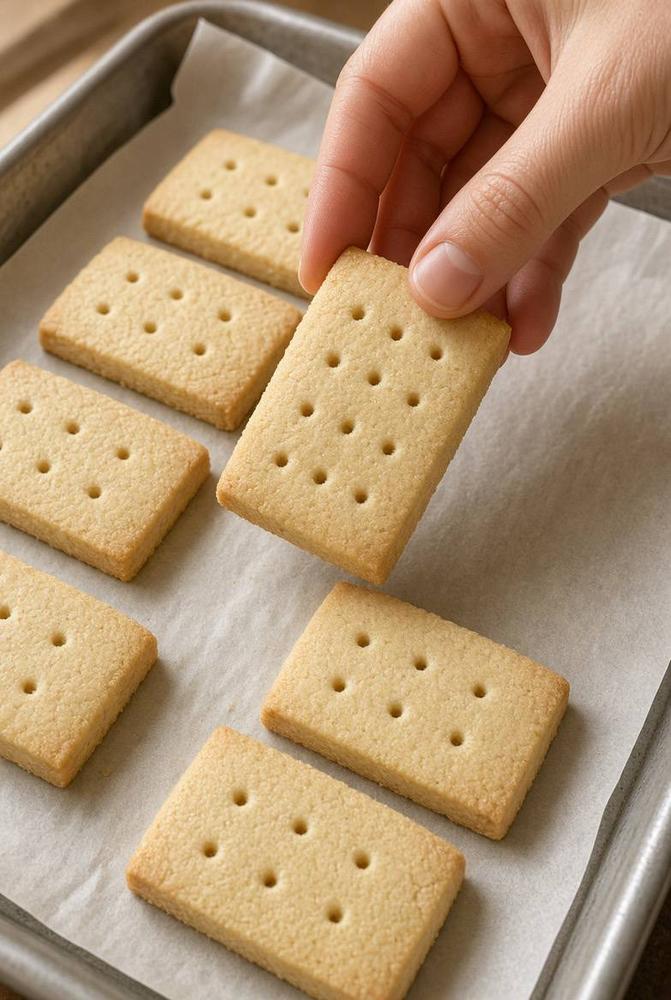
- Prick the Cookies (Docking): Using the tines of a fork or a skewer, gently prick the surface of each cookie several times. This traditional “docking” technique allows steam to escape during baking, preventing the cookies from puffing up and ensuring an even bake and a classic shortbread appearance.
- Bake: Place the baking sheet in the preheated oven. Bake for 18-25 minutes, or until the edges are lightly golden and the centers are set and pale. The exact baking time will depend on your oven and the thickness of your cookies. Keep a close eye on them to prevent over-browning.
- Cool: Once baked, remove the baking sheet from the oven. Let the shortbread cookies cool on the baking sheet for 5-10 minutes. They will be delicate when warm but will firm up as they cool. After partial cooling, carefully transfer the cookies to a wire rack to cool completely.
- Serve and Enjoy: Once fully cooled, your classic 3-ingredient homemade shortbread cookies are ready to be enjoyed!
Cooking Tips and Variations
Achieving perfect shortbread is all about understanding a few key principles and having fun with flavor. Here are some tips and variations to elevate your baking:
Tips for Best Results:
- Quality Butter is Key: Since butter is one of only three main ingredients, its quality shines through. Use a good quality unsalted butter with a higher fat content for the best flavor and texture. European-style butters often work wonderfully.
- Room Temperature Butter: Ensure your butter is truly at room temperature – soft enough to indent with a finger but not melted or greasy. This allows it to cream properly with the sugar, creating a light and airy base for your cookies.
- Don’t Overmix the Dough: This is perhaps the most crucial tip for shortbread. Once you add the flour, mix only until the ingredients are just combined and no streaks of dry flour remain. Overmixing develops gluten, which makes cookies tough instead of tender and crumbly.
- Chill the Dough: While optional, chilling the dough for 20-30 minutes before rolling and cutting helps firm up the butter. This makes the dough easier to handle, reduces spreading during baking, and results in cookies with sharper, more defined edges.
- Even Thickness: Roll your dough to an even thickness (1/4 to 1/2 inch) to ensure all your cookies bake uniformly. Uneven thickness will lead to some cookies being undercooked and others overcooked.
- Docking is Essential: Pricking the shortbread with a fork (docking) creates small vents that allow steam to escape during baking. This prevents the cookies from puffing up unevenly and helps maintain their flat, classic shape and delicate texture.
- Bake Until Lightly Golden: Shortbread is traditionally pale. Bake until the edges are just barely golden, and the center looks set. Over-baking will result in a drier, harder cookie rather than the tender, melt-in-your-mouth texture you’re aiming for. Watch your cookies closely, as oven temperatures can vary.
- Cool Completely: Shortbread is quite delicate when warm. Allow the cookies to cool completely on a wire rack. They will firm up as they cool, making them less prone to breaking.
Recipe Variations:
- Flavor Boosters:
- Vanilla Extract: Add 1 teaspoon of good quality vanilla extract with the butter and sugar for a classic, aromatic touch.
- Citrus Zest: Incorporate 1-2 teaspoons of finely grated lemon, orange, or lime zest into the butter and sugar mixture for a bright, refreshing flavor.
- Almond Extract: For a nutty, sweet flavor, use 1/2 to 1 teaspoon of almond extract instead of or in addition to vanilla.
- Spices: A pinch of cinnamon, cardamom, or even a tiny bit of nutmeg can add warmth and complexity. Add 1/2 to 1 teaspoon of your chosen spice along with the flour.
- Salt: While technically a fourth ingredient, a pinch of fine sea salt (1/4 teaspoon) can significantly enhance the buttery flavor without making the cookies taste salty. Add it with the flour.
- Texture Variations:
- Powdered Sugar: For an even finer, more delicate crumb, you can substitute half or all of the granulated sugar with powdered sugar (confectioners’ sugar). This will yield a slightly softer shortbread.
- Cornstarch: Some recipes add a tablespoon or two of cornstarch along with the flour. This can make the shortbread even more tender and crumbly, as cornstarch inhibits gluten development.
- Add-ins:
- Chocolate Chips: Gently fold in 1/2 cup of mini chocolate chips or finely chopped chocolate at the end of the mixing process.
- Nuts: Add 1/4 to 1/2 cup of finely chopped pecans, walnuts, or almonds for extra crunch and flavor.
- Dried Fruit: Small, finely chopped dried cranberries or currants can add a lovely chewiness and tartness.
- Dipping & Decorating:
- Chocolate Dipped: Once cooled, dip one end of the shortbread cookies into melted dark, milk, or white chocolate. Let them set on parchment paper.
- Glaze: Drizzle with a simple glaze made from powdered sugar and a touch of milk or lemon juice.
- Sugar Sprinkles: Before baking, sprinkle the tops with coarse sugar (like turbinado or demerara sugar) for added sparkle and crunch.
- Shape Variations:
- Shortbread Rounds (Petticoat Tails): Press the dough into a round pan (like an 8-inch cake pan), score it into wedges, and prick all over before baking.
- Finger Shortbread: The classic rectangular shape, as shown in the image, is often referred to as “finger shortbread.”
- Cookie Cutters: Use festive cookie cutters for holiday shortbread or fun shapes for kids.
Storage and Reheating
Shortbread cookies are renowned for their excellent shelf life, making them a fantastic make-ahead treat or gift. Proper storage is key to maintaining their crisp texture and rich flavor.
Storage:
- At Room Temperature: Once completely cooled, store shortbread cookies in an airtight container at room temperature. A cookie tin or a sealed plastic container works perfectly. Layering them with parchment paper can help prevent sticking, especially if you’ve added any glazes or chocolate. Stored this way, shortbread will stay fresh and delicious for up to 1-2 weeks.
- Freezing Dough: Shortbread dough freezes beautifully. Wrap the dough tightly in plastic wrap, then place it in a freezer-safe bag. It can be frozen for up to 3 months. When ready to bake, thaw the dough in the refrigerator overnight, then proceed with rolling, cutting, and baking as usual.
- Freezing Baked Cookies: Baked shortbread cookies can also be frozen. Once completely cooled, arrange them in a single layer on a baking sheet and flash freeze for about an hour until solid. Then transfer them to a freezer-safe airtight container or bag, separating layers with parchment paper. They can be frozen for up to 3 months. Thaw at room temperature before serving.
Reheating:
Shortbread cookies are typically enjoyed at room temperature, so reheating is usually not necessary. In fact, reheating can sometimes dry them out or alter their delicate texture. However, if you prefer a warm cookie or are reviving some that have lost a bit of their crispness:
- Oven Method: Place the cookies on a baking sheet in a preheated oven at 250°F (120°C) for just 5-7 minutes. Watch them carefully to ensure they don’t brown further or burn. This method can help restore some crispness.
- Toaster Oven Method: For a few cookies, a toaster oven on a low setting for 2-3 minutes can also work, but again, keep a close eye on them to prevent over-browning.
Remember, the beauty of shortbread lies in its simplicity and its ability to remain fresh and delicious for an extended period without any special treatment beyond an airtight container.
Frequently Asked Questions
Why is my shortbread tough instead of crumbly?
The most common reason for tough shortbread is overmixing the dough, especially after adding the flour. When flour is mixed excessively, it develops gluten, which creates a more elastic and chewy texture, rather than the desired tender and crumbly shortbread. To avoid this, mix the flour in on low speed only until it’s just combined and no streaks of dry flour remain. Also, ensure your butter is at room temperature so it creams properly with the sugar, allowing you to incorporate the flour with minimal mixing.
Can I use salted butter for shortbread?
While unsalted butter is generally recommended for shortbread (and most baking) because it gives you control over the salt content, you can use salted butter in a pinch. If you do, omit any additional salt called for in the recipe. Keep in mind that the salt content in salted butter can vary significantly between brands, so the final taste might be slightly different. For the purest, most consistent results, unsalted butter is always the best choice.
How can I make my shortbread cookies perfectly uniform in shape?
To achieve perfectly uniform shortbread cookies, start by rolling your dough to an even thickness. Using a rolling pin with adjustable guides can be very helpful, or simply use two identical wooden rulers or dowels on either side of your dough to ensure consistent height. Chilling the dough before rolling and cutting also helps it hold its shape better. When cutting, use a sharp knife or a pastry wheel for clean edges. For perfectly straight lines, you can use a ruler as a guide. Finally, use the docking technique (pricking with a fork) to prevent puffing and maintain a flat, even surface during baking.
My shortbread spread too much during baking. What went wrong?
Several factors can contribute to shortbread spreading too much. The most common culprit is butter that is too warm or soft. If your butter is melted or very greasy when you’re mixing, it will cause the cookies to spread. Ensure your butter is at room temperature, but still firm enough to hold its shape. Chilling the dough for 20-30 minutes before baking is also crucial, as it allows the butter to firm up, preventing excessive spreading. Additionally, if your oven temperature is too low, the cookies might spread before they have a chance to set. Make sure your oven is preheated to the correct temperature.