Introduction
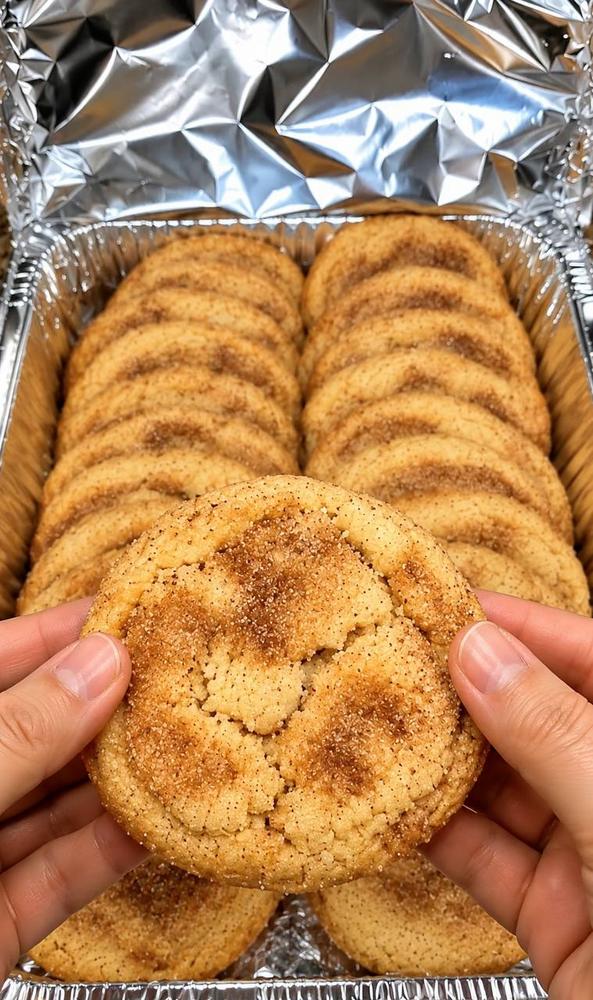
There are some cookies that just evoke pure comfort, warmth, and nostalgia, and the Classic Cinnamon Sugar Snickerdoodle is undoubtedly one of them. These aren’t just any sugar cookies; snickerdoodles hold a special place in the cookie hall of fame, celebrated for their unique blend of textures and that unmistakable cinnamon-sugar embrace. With their signature crackled tops, pillowy soft centers, and delightfully chewy edges, each bite is a journey back to simpler times, making them an irresistible treat for all ages. The aroma alone, as they bake to golden perfection, is enough to draw everyone into the kitchen.
What truly sets a snickerdoodle apart is its distinctive coating and a secret ingredient: cream of tartar. This unassuming pantry staple is the key to their characteristic tangy flavor and that wonderfully chewy texture that distinguishes them from a standard sugar cookie. Rolled generously in a mixture of granulated sugar and fragrant cinnamon before baking, the dough transforms into a masterpiece of flavor and appearance. The crackled surface, a hallmark of a well-made snickerdoodle, isn’t just pretty; it’s a testament to the perfect balance of ingredients and baking technique, allowing that sweet and spicy coating to nestle into every delicious crevice.
This recipe for Classic Cinnamon Sugar Snickerdoodle Cookies is designed to deliver perfection every time. Whether you’re baking a batch for a cozy night in, preparing a thoughtful homemade gift, or need a crowd-pleasing dessert for a gathering, these cookies are guaranteed to impress. They are simple enough for beginner bakers but yield results that will satisfy even the most discerning cookie connoisseurs. Get ready to fill your home with the comforting scent of cinnamon and enjoy the pure delight of a truly classic cookie.
Nutritional Information
Per serving (approximate values):
- Calories: 180
- Protein: 2g
- Carbohydrates: 25g
- Fat: 8g
- Fiber: 0.5g
- Sodium: 110mg
Ingredients
- 1 cup (2 sticks) unsalted butter, softened
- 1 1/2 cups granulated sugar, plus 1/4 cup for coating
- 2 large eggs
- 2 teaspoons vanilla extract
- 2 3/4 cups all-purpose flour
- 2 teaspoons cream of tartar
- 1 teaspoon baking soda
- 1/4 teaspoon salt
- 2 tablespoons ground cinnamon, for coating
Instructions
- Preheat your oven to 375°F (190°C). Line two baking sheets with parchment paper or silicone baking mats. In a small, shallow bowl, combine the 1/4 cup granulated sugar and 2 tablespoons ground cinnamon for the coating. Stir well to ensure the cinnamon is evenly distributed. Set aside.
- In a large mixing bowl, using an electric mixer on medium speed, cream together the softened unsalted butter and 1 1/2 cups granulated sugar until light and fluffy, about 2-3 minutes. Scrape down the sides of the bowl as needed to ensure everything is well combined.
- Beat in the large eggs one at a time, mixing well after each addition. The mixture should be smooth and emulsified. Stir in the vanilla extract until just combined.
- In a separate medium bowl, whisk together the all-purpose flour, cream of tartar, baking soda, and salt. Make sure there are no lumps and the dry ingredients are uniformly mixed.
- Gradually add the dry ingredients to the wet ingredients, mixing on low speed until just combined. Be careful not to overmix the dough; overmixing can lead to tough cookies. Stop mixing as soon as no streaks of flour remain. The dough will be soft but manageable.
- Scoop the dough using a 1 1/2-inch cookie scoop or by rolling about 1 tablespoon of dough into balls. Roll each dough ball generously in the prepared cinnamon-sugar mixture until completely coated. Ensure a thick, even layer of the coating for the best flavor and crackled appearance.
- Place the coated dough balls about 2 inches apart on the prepared baking sheets. They will spread slightly during baking.
- Bake one sheet at a time in the preheated oven for 8-10 minutes, or until the edges are set and lightly golden, but the centers still look slightly soft and puffy. The cookies will puff up and then crackle beautifully as they cool. Do not overbake for the best chewy texture.
- Remove the baking sheets from the oven and let the cookies cool on the sheets for 5 minutes. This allows them to set up and prevents them from breaking when transferred.
- Carefully transfer the cooled cookies to a wire rack to cool completely. As they cool, the centers will flatten slightly and the crackled tops will become more prominent.
- Serve warm or at room temperature and enjoy your perfectly classic cinnamon sugar snickerdoodles!
Cooking Tips and Variations
Achieving the perfect snickerdoodle is all about a few key techniques. First, ensure your butter is truly softened, not melted, for proper creaming with the sugar; this creates the necessary air pockets for a light and fluffy cookie. Don’t skimp on the cinnamon-sugar coating; a generous roll ensures that signature flavor and beautiful crackle. When mixing your dough, stop as soon as the dry ingredients are incorporated to avoid overdeveloping the gluten, which can lead to tough cookies. For an even chewier texture, consider chilling the dough for at least 30 minutes before rolling and baking. This helps the flavors meld and prevents excessive spreading, resulting in a thicker cookie. Remember that snickerdoodles are best when slightly underbaked; they will continue to cook slightly on the hot baking sheet, so pull them from the oven when the edges are just set and the centers still look a little soft. Overbaking is the quickest way to a dry snickerdoodle.
For variations, you can experiment with the spice blend in your coating. Try adding a pinch of nutmeg or cardamom to the cinnamon sugar for an extra layer of warmth. For a fall-inspired twist, mix in a teaspoon of pumpkin pie spice blend. Brown butter snickerdoodles offer a deeper, nuttier flavor; simply brown your butter before creaming it with the sugar (just be sure to cool it slightly so it doesn’t melt the sugar). You can also incorporate mini chocolate chips or white chocolate chips into the dough for a richer cookie, though purists might argue this strays from the “classic” definition. Another fun idea is to make snickerdoodle sandwich cookies by filling them with cream cheese frosting or a simple vanilla buttercream.
Storage and Reheating
Proper storage is key to keeping your snickerdoodle cookies fresh and delicious. Once completely cooled, store the cookies in an airtight container at room temperature for up to 3-4 days. Placing a slice of bread in the container with the cookies can help keep them soft by absorbing excess moisture and releasing its own moisture into the cookies. Avoid refrigerating baked snickerdoodles, as this can dry them out and make them hard.
If you’ve baked a large batch or want to prepare ahead, snickerdoodles freeze beautifully. For baked cookies, arrange them in a single layer on a baking sheet and freeze until solid. Once frozen, transfer them to a freezer-safe bag or container, separating layers with parchment paper to prevent sticking. They can be frozen for up to 3 months. To enjoy, simply thaw them at room temperature for a few hours. For a warm, fresh-from-the-oven taste, you can gently reheat thawed cookies in a microwave for 10-15 seconds or in a preheated oven at 275°F (135°C) for 5-7 minutes. Be careful not to overheat, as this can dry them out.
You can also freeze the raw dough. Form the dough balls, roll them in the cinnamon-sugar mixture, and then place them on a baking sheet to freeze until solid. Once firm, transfer the frozen dough balls to a freezer-safe bag. When you’re ready to bake, simply place the frozen dough balls on a prepared baking sheet and bake as directed, adding an extra 2-4 minutes to the baking time. This is a fantastic option for having warm, freshly baked cookies on demand!
Frequently Asked Questions
What is cream of tartar and why is it essential for snickerdoodles?
Cream of tartar is an acidic salt (potassium bitartrate) that is a byproduct of winemaking. In snickerdoodles, it serves two crucial purposes: first, it reacts with the baking soda to create the characteristic chewy texture and helps the cookies puff up before settling into their signature crackled appearance. Second, it imparts a subtle tangy flavor that is unique to snickerdoodles and differentiates them from standard sugar cookies. Without cream of tartar, your cookies would still be delicious, but they wouldn’t have that classic snickerdoodle chewiness or tang.
My snickerdoodles spread too much and are flat. What went wrong?
Several factors can cause snickerdoodles to spread excessively. The most common culprits are softened butter that is too warm or even partially melted, an oven that isn’t hot enough, or too much leavening agent. Ensure your butter is softened but still cool to the touch. Chilling the dough for at least 30 minutes before baking can also help prevent spreading. Additionally, make sure your oven temperature is accurate by using an oven thermometer, as an underheated oven won’t set the cookies quickly enough, leading to spreading. Finally, accurately measure your flour; too little flour can result in a wetter dough that spreads more.
Can I make snickerdoodles without cream of tartar?
While you can certainly make a delicious cinnamon-sugar cookie without cream of tartar, it won’t truly be a “classic snickerdoodle.” The cream of tartar is essential for the signature tangy flavor and the unique chewy texture that defines the cookie. If you absolutely can’t find it, a common substitute is to use 1 teaspoon of baking powder for every 1/2 teaspoon of cream of tartar and 1/4 teaspoon of baking soda in the recipe. However, this substitution might alter the flavor and texture slightly, resulting in a cookie that is more like a soft sugar cookie with cinnamon sugar. For the authentic experience, cream of tartar is highly recommended.
How do I get that perfect crackled top on my snickerdoodles?
The crackled top is a hallmark of a well-made snickerdoodle, and it’s achieved through a combination of ingredients and technique. The acidity of the cream of tartar, combined with the baking soda, creates gas bubbles that help the cookie rise and then fall, forming those characteristic cracks. Ensuring your dough is well-chilled before rolling and baking can also contribute to a better crackle, as it allows the outside of the cookie to set faster than the inside. Most importantly, rolling the dough balls generously in the cinnamon-sugar coating before baking is crucial. As the cookie bakes and expands, the sugar coating on the surface stretches and cracks, creating that beautiful, iconic appearance.