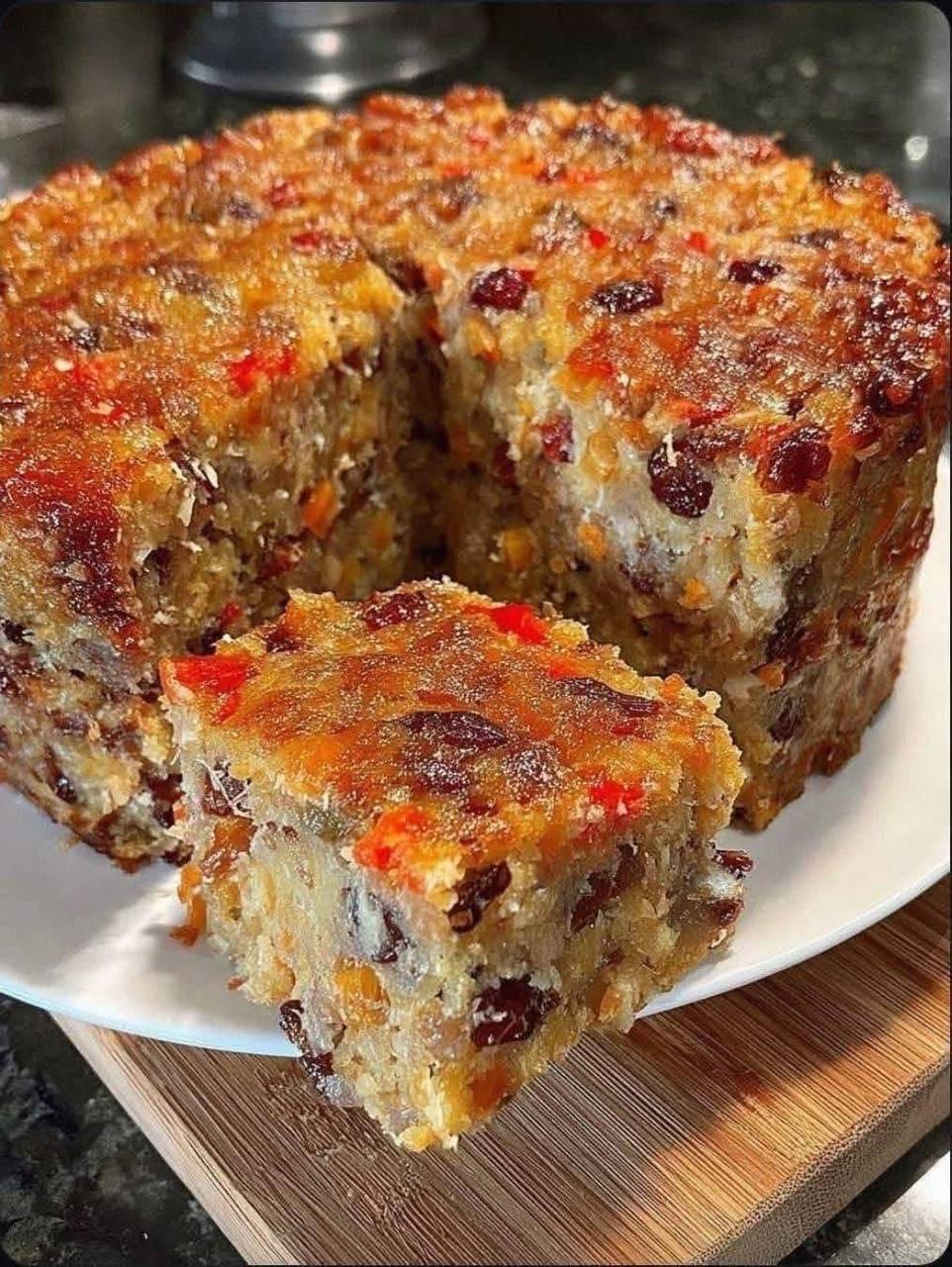
Instructions
- Prepare the Fruits: In a large bowl, combine the mixed dried fruits, glacé cherries, and candied peel. Pour the brandy, rum, or strong black tea over the fruits, ensuring they are well-coated. Stir well, cover the bowl, and let it sit at room temperature for at least 24 hours, or up to several days, stirring occasionally. This allows the fruits to plump up and absorb the liquid, contributing significantly to the cake’s moisture and flavor.
- Preheat Oven and Prepare Pan: Preheat your oven to 300°F (150°C). Grease an 8-inch (20cm) round deep cake pan. Line the bottom and sides with a double layer of parchment paper, extending the paper about 2 inches above the rim of the pan. This extra height and double lining help protect the cake from over-browning and drying out during the long baking time.
- Cream Butter and Sugar: In a large mixing bowl, using an electric mixer, cream together the softened butter and dark brown sugar until light, fluffy, and pale in color. This process incorporates air into the mixture, which is crucial for a tender crumb.
- Add Eggs: Add the eggs one at a time, beating well after each addition until fully incorporated. If the mixture looks like it might curdle, add a tablespoon of the flour with the last egg.
- Combine Dry Ingredients: In a separate bowl, whisk together the all-purpose flour, baking powder, ground cinnamon, ground nutmeg, ground allspice, and ground cloves.
- Incorporate Wet Ingredients: Stir the molasses (or treacle), orange zest, and lemon zest into the creamed butter and sugar mixture.
- Combine Wet and Dry: Gradually add the dry ingredients to the wet mixture, mixing on low speed until just combined. Be careful not to overmix, as this can develop the gluten too much and result in a tough cake.
- Fold in Fruits and Nuts: Drain any excess liquid from the soaked fruits (if any remains) and lightly dust them with a tablespoon of flour. This helps prevent the fruits from sinking to the bottom of the cake during baking. Gently fold the soaked fruits and the optional chopped almonds or pecans into the batter until evenly distributed.
- Fill Pan and Bake: Spoon the batter into the prepared cake pan, smoothing the top with a spatula. If desired, you can make a slight hollow in the center of the batter to help the cake bake flat. Place the cake pan in the preheated oven.
- Bake Low and Slow: Bake for approximately 2 to 3 hours, or until a wooden skewer inserted into the center of the cake comes out clean. The exact baking time will vary depending on your oven. If the top starts to brown too quickly, loosely cover it with aluminum foil.
- Cool the Cake: Once baked, remove the cake from the oven and let it cool in the pan on a wire rack for at least 30 minutes. This allows the cake to set and prevents it from breaking when removed.
- Glaze (Optional): While the cake is still warm, gently warm the apricot jam or marmalade in a small saucepan or microwave until melted and smooth. Strain it if desired to remove any fruit pieces. Brush the warm glaze over the top and sides of the cake. This adds a lovely shine and helps seal in moisture.
- Feed the Cake (Optional): Once the cake has cooled completely, you can begin the “feeding” process if you wish to use alcohol. Prick the top of the cake all over with a skewer. Spoon 1-2 tablespoons of brandy or rum over the top, allowing it to soak in. Repeat this process weekly or bi-weekly for several weeks to enhance flavor and moisture.
Cooking Tips and Variations
For the ultimate moist fruit cake, the quality and preparation of your ingredients are paramount. Always opt for good quality, plump dried fruits; they make a world of difference. When soaking the fruits, ensure they are fully submerged in your chosen liquid. If you’re short on time, gently warm the liquid before adding it to the fruit, which can speed up the absorption process, but still aim for at least 4-6 hours of soaking. Don’t skip the step of dusting the soaked fruits with a little flour; this minor detail is crucial to prevent them from sinking to the bottom of the cake during baking, ensuring an even distribution of fruit throughout. When creaming the butter and sugar, take your time; this step is essential for incorporating air, which contributes to the cake’s overall texture. The mixture should be noticeably lighter in color and fluffy. Baking low and slow is the golden rule for fruit cakes; it ensures the cake cooks through without drying out the edges or burning the top. If your oven has hot spots, consider rotating the cake halfway through baking. If you notice the top browning too quickly, a loose tent of aluminum foil will protect it. To test for doneness, a skewer inserted into the center should come out clean, but also feel for a slight spring-back when gently pressed. Overbaking is the enemy of a moist fruit cake, so err on the side of caution. For a delightful variation, consider adding a mix of spices like cardamom or ground ginger for an extra layer of warmth. You can also experiment with different types of alcohol for soaking and feeding, such as dark rum, whiskey, or even an orange liqueur for a citrusy twist. For an alcohol-free version, use strong black tea, orange juice, or apple juice for soaking and omit the feeding step. The glaze can also be varied; a simple sugar syrup infused with orange zest can provide a lovely sheen and additional flavor. For a more elaborate finish, a layer of almond paste or marzipan can be added before icing.
Storage and Reheating
Proper storage is key to maintaining the moisture and developing the rich flavors of your fruit cake. Once completely cooled, wrap the cake tightly in a double layer of parchment paper, then in aluminum foil, or store it in an airtight container. This prevents it from drying out. If you are “feeding” your cake with alcohol, unwrap it, prick the top, drizzle with 1-2 tablespoons of brandy or rum, allow it to soak in, then rewrap tightly. Store the cake in a cool, dark place, such as a pantry or cupboard, rather than the refrigerator, as the cold can dry it out. A well-stored and fed fruit cake can last for several weeks, or even months, with its flavor improving over time as the ingredients meld. For long-term storage (beyond 2-3 months), you can freeze the cake. Wrap it securely in several layers of plastic wrap and then foil. It can be frozen for up to a year. To thaw, simply unwrap the cake and let it come to room temperature overnight. Fruit cake is traditionally served at room temperature, allowing its complex flavors to fully express themselves. It generally does not require reheating. If you wish to serve it warm, you can gently heat individual slices in the microwave for 10-15 seconds, but be careful not to overheat as this can dry it out. Enjoy it sliced thinly, perhaps with a dollop of clotted cream, a slice of sharp cheese like cheddar, or a scoop of vanilla ice cream.
Frequently Asked Questions
Why did my fruit sink to the bottom of the cake?
The most common reason for fruit sinking is not dusting it with flour before adding it to the batter. The flour creates a light coating that helps the fruit adhere to the batter and prevents it from sinking due to its weight. Additionally, a batter that is too thin or overmixed can also contribute to sinking fruit.
Can I make this fruit cake without alcohol?
Absolutely! For an alcohol-free version, simply substitute the brandy or rum used for soaking the fruits with strong black tea, orange juice, or apple juice. You can also omit the “feeding” step entirely. The cake will still be incredibly moist and flavorful, relying on the natural sweetness of the fruits and spices.
How far in advance can I make this fruit cake?
Fruit cakes are famous for improving with age. You can make this cake several weeks, or even a few months, in advance. The longer it sits, especially if regularly “fed” with alcohol, the more the flavors will meld and deepen, resulting in a richer and more complex taste. Just ensure it’s stored properly in a cool, dark place, wrapped tightly.