Instructions
- Prepare the Ramekins: Preheat your oven to 400°F (200°C). Generously butter four 6-ounce (180ml) individual ramekins, ensuring the butter covers the bottom and sides thoroughly. Sprinkle 1/2 tablespoon of granulated sugar into each ramekin, rotating to coat the buttered surfaces evenly. Tap out any excess sugar. Place the prepared ramekins on a baking sheet.
- Make the Souffle Base (Pâté à Choux/Béchamel Hybrid): In a medium saucepan, melt the 1/4 cup of butter over medium heat. Once melted, add the flour and whisk constantly for 1-2 minutes to create a smooth roux. Do not let it brown.
- Gradually whisk in the whole milk, a little at a time, ensuring no lumps form. Continue whisking as the mixture thickens, about 2-3 minutes, until it forms a smooth, thick paste. Remove from heat.
- Add Flavor and Yolks: Whisk in the 1/4 cup of granulated sugar, vanilla extract (or paste), and a pinch of salt into the hot base until well combined. Allow the mixture to cool slightly for about 5 minutes.
- Once slightly cooled, whisk in the egg yolks one at a time until fully incorporated and the base is smooth and glossy. Set aside.
- Whip the Egg Whites: In a very clean, dry large mixing bowl (preferably metal or glass), add the egg whites. If using, add the cream of tartar. Using an electric mixer (handheld or stand mixer with whisk attachment), start beating the egg whites on medium-low speed until foamy.
- Increase the speed to medium-high and continue beating until soft peaks form. Gradually add the remaining 2 tablespoons of granulated sugar, one tablespoon at a time, while continuing to beat.
- Increase the speed to high and beat until stiff, glossy peaks form. The egg whites should hold their shape firmly and not be dry or crumbly. Be careful not to overbeat, as this can make them difficult to fold.
- Combine the Base and Egg Whites: Add about one-quarter of the beaten egg whites to the egg yolk base. Gently fold them in with a spatula to lighten the base. This step helps to temper the base and makes it easier to incorporate the remaining whites without deflating them.
- Add the remaining egg whites to the lightened base. Using a gentle, cutting and folding motion with your spatula, carefully fold the egg whites into the base. Work quickly but gently, rotating the bowl as you fold, until no streaks of white remain, but be careful not to overmix and deflate the air. The mixture should be light and airy.
- Fill the Ramekins: Divide the souffle mixture evenly among the four prepared ramekins. You can use a spatula to gently smooth the tops. For a classic “hat” effect, run your thumb around the inside edge of each ramekin to create a slight gap between the mixture and the rim. This encourages an even, upward rise.
- Bake the Souffles: Carefully transfer the baking sheet with the ramekins to the preheated oven. Immediately reduce the oven temperature to 375°F (190°C).
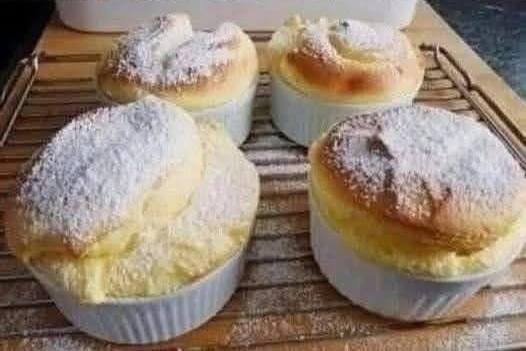
- Bake for 15-20 minutes, or until the souffles are dramatically risen, golden brown on top, and slightly firm to the touch. Resist the urge to open the oven door during the first 12-15 minutes of baking, as this can cause them to collapse.
- Serve Immediately: Once baked, remove the souffles from the oven. Dust generously with confectioners’ sugar using a fine-mesh sieve. Serve immediately, as souffles begin to deflate within minutes of leaving the oven.
Cooking Tips and Variations
Mastering the souffle is incredibly satisfying, and a few key tips can make all the difference. First and foremost, ensure your ramekins are meticulously prepared. Generously buttering and sugaring them provides a “ladder” for the souffle to climb, helping it achieve that impressive rise. The sugar also contributes to a beautiful caramelized crust. When it comes to egg whites, cleanliness is paramount; any trace of fat or egg yolk will prevent them from whipping to their full volume. Use a very clean, dry bowl and whisk for this step. For the best rise, beat the egg whites until they form stiff, glossy peaks – they should hold their shape when you lift the whisk, but don’t overbeat them to the point of dryness, which can make them crumbly and harder to fold. The folding technique itself is crucial: gently incorporate the egg whites into the base using a cutting and folding motion, trying to preserve as much air as possible. Imagine you’re lifting the mixture from the bottom and folding it over the top, rotating the bowl as you go. Finally, oven temperature consistency is vital. Resist the urge to open the oven door during baking, especially in the first two-thirds of the cooking time, as a sudden drop in temperature can cause your souffle to collapse prematurely.
For troubleshooting common issues, if your souffle falls, it could be due to several factors: opening the oven door too early, over-beating or under-beating the egg whites, too much moisture in the base, or an oven that isn’t hot enough. If it’s not golden, ensure you didn’t skip the sugar on top of the buttered ramekins, and double-check your oven temperature. A slightly higher initial temperature helps with browning. If you want to explore flavor variations, the base of this vanilla souffle is a fantastic starting point. For a rich chocolate souffle, melt 2-3 ounces of good quality dark chocolate into the warm base mixture before adding the egg yolks. For a bright lemon souffle, add 1-2 tablespoons of fresh lemon zest and a tablespoon of lemon juice to the base. Coffee lovers can dissolve 1-2 teaspoons of instant espresso powder in the warm milk for a delightful coffee souffle. You can also experiment with a hint of almond extract or orange zest for subtle variations.
Storage and Reheating
Souffles are truly a dish meant to be enjoyed immediately. Their ethereal, cloud-like texture and dramatic rise are fleeting, and they will begin to deflate within minutes of being removed from the oven. For this reason, souffles are not typically stored or reheated in their original form, as they will lose their signature lightness and become dense. The magic is in the moment.
However, if you find yourself with an unexpected leftover (which is rare!), you can technically store a cooled, deflated souffle in an airtight container in the refrigerator for up to 1 day. Reheating it will not bring back its original puffy glory. It will be more akin to a dense, baked custard. If you choose to reheat, gently warm it in a microwave for 30-60 seconds or in a low oven (around 300°F/150°C) for 5-10 minutes, just until warmed through. Expect a very different texture from the freshly baked version. The best advice for souffles is to make just enough to serve and enjoy them in their magnificent, freshly baked state.
Frequently Asked Questions
Why did my souffle fall?
There are several common reasons why a souffle might fall. The most frequent culprit is opening the oven door too early during baking, which causes a sudden drop in temperature and disrupts the delicate structure. Other reasons include over-beating the egg whites (making them dry and brittle) or under-beating them (not enough air incorporated), an oven that isn’t hot enough, or a base mixture that is too heavy or contains too much moisture. Ensuring your ramekins are properly buttered and sugared also helps the souffle climb and maintain its structure.
Can I prepare the souffle mixture ahead of time?
While the base of the souffle (the egg yolk mixture) can be prepared a few hours in advance and stored in the refrigerator, the egg whites must be whipped and folded in just before baking. The air incorporated into the egg whites is what gives the souffle its rise, and this air quickly dissipates if the mixture sits for too long. For the best results, assemble and bake the souffle immediately after folding in the egg whites.
What is the “hat” effect and how do I achieve it?
The “hat” effect refers to the beautifully risen, slightly domed top of a perfectly baked souffle that extends significantly above the rim of the ramekin. You can encourage this by running your thumb or a small spatula around the inside edge of the filled ramekin before baking, creating a slight gap between the souffle mixture and the rim. This allows the souffle to rise more evenly and dramatically in the center, forming that classic, impressive dome.