Introduction
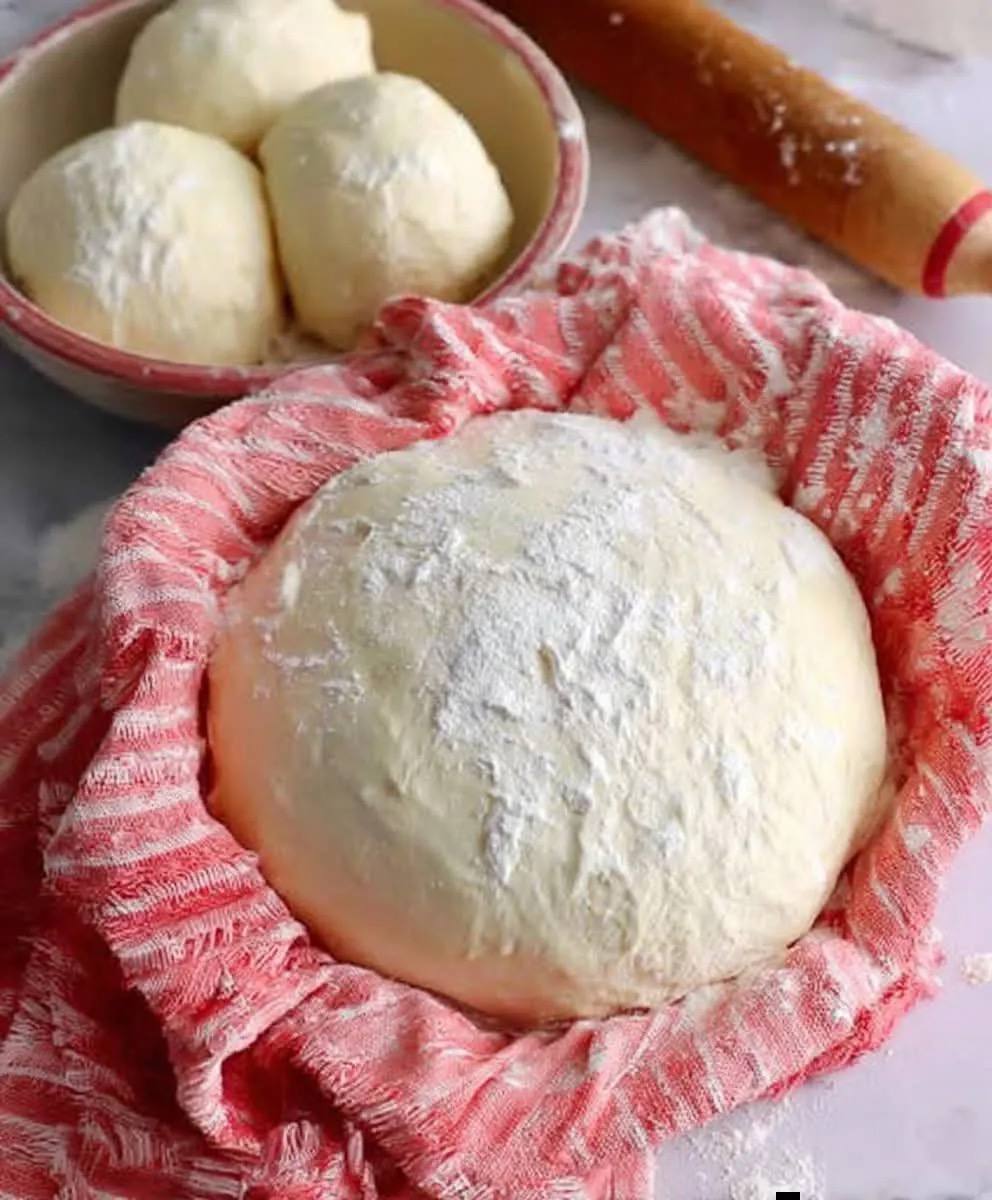
Imagine a single, magical dough recipe that can do it all – from the crispiest pizza crust to the softest cinnamon rolls, the fluffiest dinner rolls, hearty sandwich bread, and even decadent donuts. Sounds like a dream, right? Welcome to the world of “Crazy Dough,” a culinary secret weapon that will revolutionize your baking. This incredibly versatile and easy-to-make dough is your ticket to unlocking a universe of sweet and savory baked goods, all from one foundational recipe.
What makes Crazy Dough so special? It’s its uncanny ability to adapt. This isn’t just a bread dough; it’s a blank canvas for your baking ambitions. Its pliable, elastic texture, achieved through simple ingredients and a straightforward method, provides the perfect base for virtually any yeasted treat. Whether you’re a seasoned baker or just starting out, this recipe is designed to simplify your time in the kitchen, save you effort, and ignite your creative spark. Forget juggling multiple dough recipes for different occasions; with Crazy Dough, you’ll have one reliable friend that always delivers.
The beauty of Crazy Dough lies in its endless possibilities. Picture this: a Friday night pizza party with homemade crusts, followed by warm, gooey cinnamon rolls for Saturday breakfast. Then, imagine serving soft, buttery dinner rolls with your Sunday roast, baking a fresh loaf of sandwich bread for lunches, and surprising your family with homemade donuts for a special treat. All from the same batch of dough! This recipe is more than just ingredients; it’s an invitation to explore, experiment, and enjoy the delicious satisfaction of baking a wide array of delights with unprecedented ease.
Nutritional Information
Per serving (approximate values for a single dinner roll portion, without fillings or toppings):
- Calories: 180
- Protein: 5g
- Carbohydrates: 30g
- Fat: 4g
- Fiber: 1g
- Sodium: 250mg
Ingredients
- 4 cups (500g) All-Purpose Flour, plus more for dusting
- 1/4 cup (50g) Granulated Sugar
- 2 teaspoons Instant Dry Yeast
- 1 teaspoon Salt
- 1 cup (240ml) Warm Milk (105-115°F / 40-46°C)
- 1/2 cup (120ml) Warm Water (105-115°F / 40-46°C)
- 1/4 cup (56g) Unsalted Butter, melted
- 1 large Egg, at room temperature
Instructions
- In a large mixing bowl (or the bowl of a stand mixer), combine the flour, granulated sugar, instant dry yeast, and salt. Whisk briefly to ensure all dry ingredients are well distributed.
- In a separate medium bowl, whisk together the warm milk, warm water, melted butter, and large egg. Ensure the liquids are not too hot, as this can kill the yeast.
- Pour the wet ingredients into the dry ingredients. Mix with a sturdy spoon or in a stand mixer with the dough hook attachment on low speed until a shaggy dough forms.
- If mixing by hand, turn the dough out onto a lightly floured surface and knead for 8-10 minutes, or until the dough is smooth, elastic, and no longer sticky. If using a stand mixer, increase the speed to medium-low and knead for 6-8 minutes, or until the dough pulls away from the sides of the bowl and is smooth and elastic.
- Lightly grease a large clean bowl with a little oil or cooking spray. Place the kneaded dough into the bowl, turning it once to coat the top. Cover the bowl tightly with plastic wrap or a clean kitchen towel.
- Let the dough rise in a warm, draft-free place for 1 to 1.5 hours, or until it has doubled in size. The exact time will depend on the temperature of your environment. You can test if it’s ready by gently poking it with two fingers; if the indentations remain, it’s ready.
- Once the dough has doubled, gently punch it down to release the air. At this point, your Crazy Dough is ready to be transformed into any of your desired baked goods!
- For Pizza: Divide the dough into 2-3 portions depending on desired pizza size. On a lightly floured surface, stretch or roll each portion into your desired pizza shape. Transfer to a prepared pizza pan or stone. Add your favorite toppings and bake in a preheated oven at 450°F (230°C) for 10-15 minutes, or until the crust is golden and cheese is bubbly.
- For Sweet Cinnamon Rolls: Roll the entire dough (or half if making a smaller batch) into a large rectangle, about 1/4 inch thick. Spread generously with softened butter, then sprinkle with a mixture of cinnamon and brown sugar. Roll the dough tightly into a log, then slice into 1-inch thick rounds. Place in a greased baking dish, cover, and let rise for another 30-45 minutes. Bake at 375°F (190°C) for 20-25 minutes, until golden brown. Frost while warm.
- For Soft Dinner Rolls: Divide the dough into 12-16 equal pieces. Shape each piece into a smooth ball. Arrange the balls in a lightly greased 9×13 inch baking dish, leaving a small space between each. Cover and let rise for 30-45 minutes, or until nearly doubled. Bake at 375°F (190°C) for 18-22 minutes, until golden brown. Brush with melted butter immediately after baking.
- For Hearty Sandwich Bread: Gently shape the entire dough into a loaf. Place it into a greased 9×5 inch loaf pan. Cover and let rise for 45-60 minutes, or until the dough has risen about 1 inch above the rim of the pan. Bake at 375°F (190°C) for 30-35 minutes, or until golden brown and sounds hollow when tapped.
- For Delicious Donuts: On a lightly floured surface, roll the dough to about 1/2 inch thick. Use a donut cutter or two different sized round cutters to cut out donuts and donut holes. Place them on parchment-lined baking sheets, cover, and let rise for 20-30 minutes. Heat about 2-3 inches of oil in a deep pot to 350°F (175°C). Carefully fry donuts for 1-2 minutes per side, until golden brown. Drain on a wire rack and glaze while warm.
Cooking Tips and Variations
Yeast Activation: Always ensure your liquids (milk and water) are warm, not hot. Too hot will kill the yeast, too cold won’t activate it. A temperature between 105-115°F (40-46°C) is ideal. If using active dry yeast instead of instant, you’ll need to proof it first by dissolving it in the warm liquid with a pinch of sugar for 5-10 minutes until foamy, then proceed with the recipe.
Kneading is Key: Properly kneaded dough is essential for a good texture. Whether by hand or mixer, look for a dough that is smooth, elastic, and springs back when gently poked. A good test is the “windowpane test”: pull a small piece of dough and gently stretch it. If you can stretch it thin enough to see light through it without tearing, your gluten is well developed.
Proofing Environment: For the best rise, find a warm, draft-free spot. This could be in an oven with just the light on (not heated), near a sunny window, or in a warm kitchen. If your kitchen is cool, the rise will simply take longer.
Handling Sticky Dough: Resist the urge to add too much extra flour during kneading or shaping. A slightly sticky dough is often a good sign of hydration. Use a light dusting of flour on your work surface and hands only when necessary to prevent sticking.
Flavor Variations: This is where the “crazy” comes in! For savory applications like pizza or focaccia, consider adding garlic powder, dried herbs (oregano, basil), or grated Parmesan cheese to the dough. For sweet treats, a touch of vanilla extract or lemon zest can elevate the flavor profile. You can even swap some of the all-purpose flour for whole wheat flour for a heartier bread, though this might require a little extra liquid.
Enriched Dough: For an even richer, softer dough, especially for sweet rolls or brioche-like buns, you can increase the butter to 1/2 cup and add an extra egg yolk. This will result in a more tender crumb and a richer flavor.
Baking Temperatures: Different applications require different oven temperatures. Pizza typically bakes at higher temperatures (450-500°F / 230-260°C) for a crispy crust, while breads and rolls do well at moderate temperatures (350-375°F / 175-190°C). Donuts require specific oil temperatures for frying (350°F / 175°C).
Visual Cues for Doneness: For baked goods, look for a deep golden-brown color. For bread or rolls, tapping the bottom should produce a hollow sound. For fried donuts, they should be golden brown on both sides. Always use a thermometer for internal temperature when possible (e.g., bread is done around 200-210°F / 93-99°C).
Storage and Reheating
Storing Unbaked Dough: Your Crazy Dough is excellent for make-ahead baking. After the first rise, you can punch it down and place it in a lightly oiled, airtight container in the refrigerator for up to 3-4 days. This slow, cold fermentation actually enhances the flavor of the dough. When you’re ready to use it, take it out of the fridge about an hour before shaping to allow it to come closer to room temperature, then proceed with shaping and the second rise as usual.
Freezing Unbaked Dough: For longer storage, you can freeze the dough after its first rise. Punch it down, shape it into a disk, wrap it tightly in plastic wrap, and then place it in a freezer-safe bag. It can be frozen for up to 1 month. To use, thaw overnight in the refrigerator, then let it come to room temperature for about an hour before punching down, shaping, and proceeding with the second rise and baking.
You can also freeze shaped but unbaked items like dinner rolls or cinnamon rolls. Arrange them on a baking sheet and freeze until solid, then transfer to a freezer-safe bag. To bake, place them directly from the freezer into a greased baking dish, cover, and let them thaw and rise in a warm place for 2-4 hours (or overnight in the fridge) before baking as directed.
Storing Baked Goods:
- Pizza: Leftover pizza slices can be stored in an airtight container in the refrigerator for 3-4 days. Reheat in a preheated oven at 350°F (175°C) for 5-10 minutes, or in a toaster oven for a crispier crust.
- Cinnamon Rolls: Best enjoyed fresh, but leftovers can be stored in an airtight container at room temperature for 2-3 days. Reheat briefly in the microwave (15-30 seconds) or a low oven for a warm, soft treat.
- Dinner Rolls: Store in an airtight container or bag at room temperature for 3-4 days. Reheat wrapped in foil in a 300°F (150°C) oven for 5-10 minutes, or briefly in the microwave.
- Sandwich Bread: Store at room temperature in a bread box or airtight bag for up to 5 days. You can also slice and freeze portions for longer storage, toasting directly from frozen.
- Donuts: Best eaten the day they are made. If you have leftovers, store them in an airtight container at room temperature for up to 1-2 days. They can be very lightly warmed in the microwave, but the texture might not be as light as fresh.
Frequently Asked Questions
Can I use whole wheat flour instead of all-purpose flour?
Yes, you can! For a heartier bread, you can substitute up to half of the all-purpose flour with whole wheat flour. Keep in mind that whole wheat flour absorbs more liquid, so you might need to add an extra tablespoon or two of milk or water to achieve the desired dough consistency. The dough may also be a bit denser and rise slightly less.
My dough isn’t rising. What went wrong?
The most common reasons for dough not rising are inactive yeast or incorrect liquid temperature. Ensure your yeast is fresh and active (check the expiration date). Also, make sure your milk and water are warm (105-115°F / 40-46°C), not too hot (which kills yeast) or too cold (which inhibits it). A cold kitchen environment can also slow down the rise considerably, so try to find a warmer spot.
Can I make this dough without a stand mixer?
Absolutely! This dough can be easily made by hand. After combining the wet and dry ingredients, turn the shaggy dough out onto a lightly floured surface and knead it vigorously for 8-10 minutes. It’s a great workout and allows you to really feel the dough develop. You’ll know it’s ready when it becomes smooth, elastic, and less sticky.
How can I make the dough sweeter for desserts like donuts or cinnamon rolls?
The base recipe has a moderate amount of sugar, making it versatile for both sweet and savory. If you want a noticeably sweeter dough for desserts, you can increase the granulated sugar in the dough by an additional 1/4 cup (total of 1/2 cup). This will enhance the sweetness of the dough itself, complementing your fillings and glazes even further.