Instructions
- Activate the Yeast: In a large bowl, combine the warm milk, 1 teaspoon of granulated sugar, and active dry yeast. Stir gently and let it sit for 5-10 minutes, or until foamy. This indicates the yeast is active.
- Prepare the Dough: To the yeast mixture, add the remaining ¼ cup granulated sugar, the egg, and melted butter. Whisk until well combined. Gradually add the flour and salt, mixing with a wooden spoon or spatula until a shaggy dough forms.
- Knead the Dough: Turn the dough out onto a lightly floured surface. Knead for 8-10 minutes, or until the dough is smooth, elastic, and no longer sticky. If using a stand mixer, use the dough hook attachment and knead on medium-low speed for 6-8 minutes.
- First Proof: Lightly grease a clean bowl with oil. Place the dough in the bowl, turning once to coat. Cover the bowl with plastic wrap or a clean kitchen towel and let it rise in a warm place for 1-1.5 hours, or until doubled in size.
- Prepare the Cream Filling: While the dough is proofing, prepare the filling. In a medium saucepan, heat 1 ½ cups of the milk over medium heat until it just begins to simmer around the edges. Do not boil.
- In a separate bowl, whisk together the remaining ½ cup milk, granulated sugar, cornstarch, egg yolks, and a pinch of salt until smooth and no lumps remain.
- Slowly pour about half of the hot milk into the egg yolk mixture, whisking constantly to temper the yolks. Pour the tempered egg mixture back into the saucepan with the remaining hot milk.
- Cook over medium heat, whisking constantly, until the mixture thickens significantly and comes to a boil. Continue to whisk and boil for 1 minute to ensure the cornstarch is fully cooked.
- Remove from heat and stir in the butter and vanilla extract until fully incorporated and smooth.
- Transfer the cream filling to a clean bowl. Press plastic wrap directly onto the surface of the filling to prevent a skin from forming. Refrigerate for at least 2-3 hours, or until completely chilled and firm.
- Shape the Buns: Once the dough has doubled, gently punch it down to release the air. Turn the dough out onto a lightly floured surface and divide it into 12 equal pieces (about 60-70g each).
- Roll each piece into a smooth ball. Place the dough balls on a baking sheet lined with parchment paper, leaving some space between them.
- Second Proof: Cover the baking sheet loosely with plastic wrap or a clean kitchen towel and let the buns rise in a warm place for another 30-45 minutes, or until visibly puffy and almost doubled in size.
- Preheat Oven & Bake: Preheat your oven to 375°F (190°C).
- Bake the buns for 12-15 minutes, or until golden brown on top and cooked through. If they start to brown too quickly, you can loosely tent them with aluminum foil.
- Remove from the oven and transfer the buns to a wire rack to cool completely.
- Fill the Buns: Once the buns are completely cooled and the cream filling is thoroughly chilled, transfer the cream filling to a piping bag fitted with a round or star tip.
- Using a small knife or a chopstick, make a hole in the side or bottom of each bun. Gently wiggle the knife to create a cavity inside.
- Insert the piping bag tip into the hole and pipe a generous amount of cream filling into each bun until it feels full.
- Prepare the Glaze: In a small bowl, whisk together the powdered sugar, 2 tablespoons of milk or water, and vanilla extract (if using) until smooth. Add more milk or water, a teaspoon at a time, until you reach a pourable but not too thin consistency.
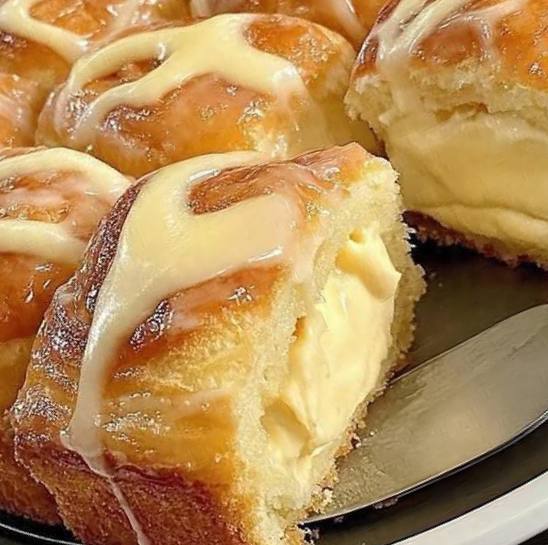
- Glaze the Buns: Drizzle or spread the glaze over the tops of the filled buns. Allow the glaze to set for a few minutes before serving. Enjoy!
Cooking Tips and Variations
For the best results with your cream-filled buns, a few key tips can make all the difference. When working with yeast dough, the temperature of your milk is crucial. It should be warm to the touch, like a baby’s bath, but not hot. If it’s too hot, it will kill the yeast, and your dough won’t rise. If it’s too cold, the yeast won’t activate properly. A good range is 105-115°F (40-46°C). Also, ensure your egg and butter are at room temperature for the dough; this helps them incorporate smoothly and evenly into the mixture, leading to a more consistent dough texture. Don’t rush the kneading process – developing the gluten is essential for that signature soft and chewy texture. A well-kneaded dough will spring back when gently poked.
Proofing is another critical step. Find a warm, draft-free place for your dough to rise. This could be a slightly warmed oven (turned off!), a sunny spot, or simply a warm corner of your kitchen. The dough should double in size, which indicates sufficient proofing. Over-proofing can lead to a yeasty flavor and a crumbly texture, while under-proofing results in dense buns. For the cream filling, constant whisking is key when tempering the egg yolks and cooking the custard. This prevents lumps and ensures a smooth, silky consistency. Don’t be afraid to let it boil gently for a minute to fully cook the cornstarch – this guarantees maximum thickness and stability.
When filling the buns, if you don’t have a piping bag, you can use a sturdy Ziploc bag with a corner snipped off. Alternatively, you can slice the buns almost all the way through horizontally and spoon the filling in. However, piping creates a cleaner, more professional look. Make sure the buns are completely cool before filling; otherwise, the warm buns will melt the cream, leading to a messy and runny result. For the glaze, adjust the consistency slowly. Too much liquid will make it too thin and transparent, while too little will make it clumpy and hard to spread.
Variations:
- Chocolate Cream Buns: For a decadent twist, melt 2 ounces of good quality dark chocolate into the hot cream filling after removing it from the heat. Stir until smooth and fully incorporated.
- Lemon Cream Buns: Add 1-2 tablespoons of fresh lemon juice and 1 teaspoon of lemon zest to the cream filling along with the vanilla extract for a bright, tangy flavor.
- Berry-Filled Buns: Fold in ¼ cup of finely diced fresh berries (like raspberries or strawberries) into the chilled cream filling just before piping.
- Coffee Glaze: Replace 1-2 tablespoons of the milk in the glaze with strong brewed coffee for a coffee-flavored topping.
- Nutty Topping: Sprinkle chopped toasted nuts (almonds, pecans, or walnuts) over the wet glaze for added texture and flavor.
- Cinnamon Sugar Buns: Instead of a glaze, brush the warm baked buns with melted butter and roll them in a mixture of cinnamon and sugar for a classic taste.
- Dairy-Free Option: Substitute regular milk with a plant-based milk (like almond or oat milk) and use dairy-free butter for both the dough and filling. Ensure your yeast is dairy-free as well.
Storage and Reheating
These cream-filled buns are at their absolute best when enjoyed fresh, ideally on the same day they are baked and filled. The dough is softest, and the cream is perfectly set. However, if you have leftovers or wish to prepare them slightly in advance, proper storage is key to maintaining their deliciousness.
Storage: Because of the dairy-based cream filling, these buns should always be stored in an airtight container in the refrigerator. This prevents the cream from spoiling and helps to keep the buns from drying out too quickly. They will stay fresh and delicious for 2-3 days when stored properly in the fridge. Avoid storing them at room temperature for extended periods, especially in warm climates, as the cream can spoil.
Freezing (Unfilled Buns): If you want to prepare the buns ahead of time without the filling, you can freeze the baked, unglazed buns. Once they are completely cooled after baking, place them in a single layer on a baking sheet and freeze until solid. Then, transfer them to a freezer-safe bag or airtight container. They can be frozen for up to 1 month. When ready to serve, thaw them at room temperature, then warm them gently in the oven before filling and glazing.
Freezing (Filled Buns): Freezing filled buns is generally not recommended. The texture of the cream filling can become grainy and watery after thawing, and the buns themselves may lose some of their soft, fluffy texture. It’s best to freeze the buns separately and fill them fresh.
Reheating: To enjoy refrigerated cream-filled buns, you can gently warm them. The best way to do this is in a microwave for 10-20 seconds per bun, just until they are slightly warm and soft. Be careful not to overheat, as this can make the cream filling too runny or dry out the bun. You can also place them in a preheated oven at 300°F (150°C) for 5-7 minutes, though this method might make the cream filling a bit warmer than ideal. Always check the internal temperature if you’re concerned about food safety, ensuring the cream is warmed through.
If you’ve frozen and thawed plain buns, you can reheat them in a preheated oven at 350°F (175°C) for about 5-8 minutes, or until warmed through and softened. Then, let them cool slightly before filling and glazing as per the recipe.
Frequently Asked Questions
How do I know if my yeast is active?
When you combine active dry yeast with warm milk and a teaspoon of sugar, it should become foamy and bubbly within 5-10 minutes. This foam indicates that the yeast is alive and ready to work. If your mixture doesn’t foam, your yeast might be old or the milk was too hot/cold, and it’s best to start with a fresh batch of yeast.
Can I make the dough ahead of time?
Yes, you can! After the first proof, you can punch down the dough, place it in an oiled bowl, cover it tightly with plastic wrap, and refrigerate it overnight (up to 24 hours). The cold temperature will slow down the yeast activity. When you’re ready to bake, remove the dough from the fridge and let it come to room temperature for about 30-60 minutes before proceeding with shaping and the second proof. You can also make the cream filling a day or two in advance and keep it chilled in the refrigerator.
My cream filling turned out lumpy. What went wrong?
Lumpy cream filling often happens if the egg yolks weren’t tempered properly, or if the mixture wasn’t whisked constantly while cooking. Tempering involves slowly adding hot milk to the egg mixture to gradually raise its temperature, preventing the eggs from scrambling. If your filling does end up lumpy, you can press it through a fine-mesh sieve while it’s still warm to achieve a smooth consistency before chilling.
Why did my buns spread too much during baking?
Buns can spread too much if the dough was over-proofed during the second rise, if it was too wet, or if the oven temperature was too low. Over-proofed dough loses its structure and can collapse. Ensure your dough isn’t too sticky after kneading, adding a little more flour if necessary. Also, make sure your oven is preheated to the correct temperature before baking.