Introduction
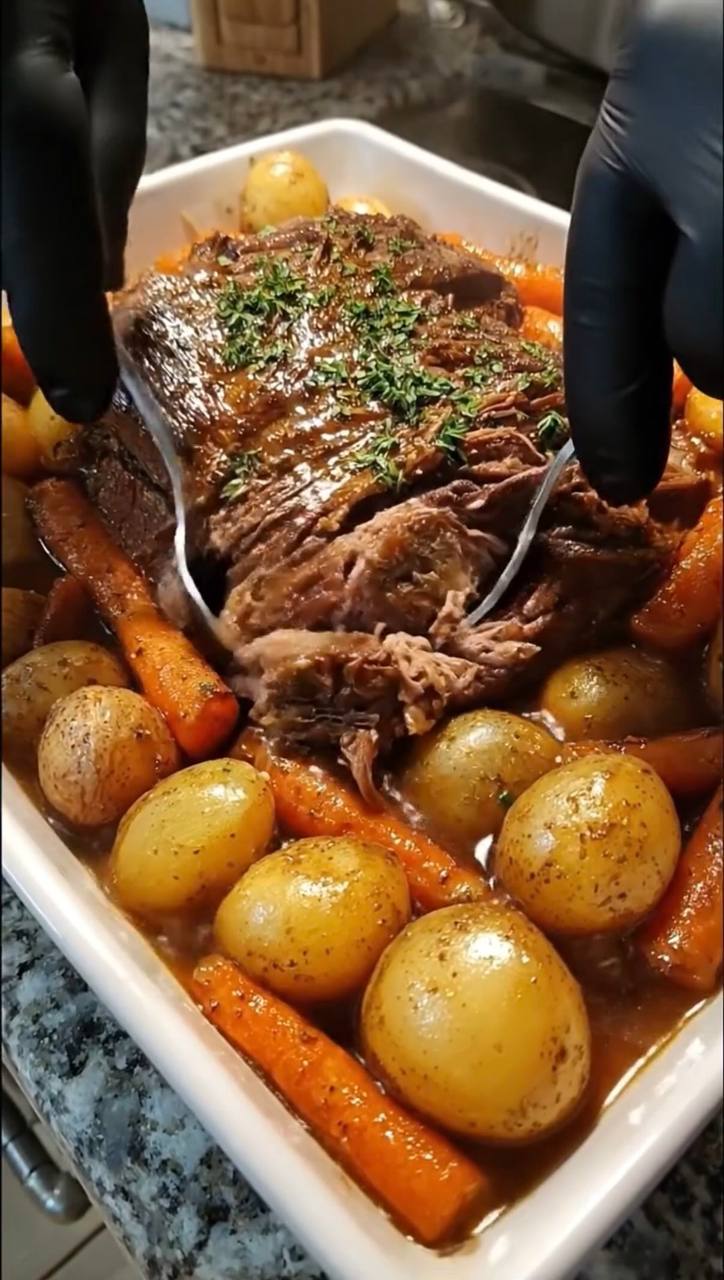
Imagine coming home to the comforting aroma of tender, fall-apart beef, nestled among perfectly cooked vegetables, all swimming in a rich, savory gravy. This isn’t just a dream; it’s the reality of a Crockpot Chuck Roast. This classic comfort food dish has graced dinner tables for generations, and for good reason. It’s the epitome of a hearty, satisfying meal that requires minimal effort for maximum flavor, making it a beloved staple for busy weeknights and relaxed Sunday dinners alike.
What makes this Crockpot Chuck Roast recipe truly special is its ability to transform an affordable cut of meat into something utterly luxurious. The magic of the slow cooker lies in its low and slow cooking method, which gently breaks down the tough connective tissues in the chuck roast, rendering it incredibly tender and succulent. Combined with robust root vegetables and a flavorful braising liquid, every bite is a journey into pure culinary bliss. It’s a one-pot wonder that cleans up easily and consistently delivers delicious results.
The crockpot is simply ideal for chuck roast because it creates a consistently moist, low-heat environment that mimics traditional braising but without the constant supervision. You can set it and forget it, allowing the flavors to meld and deepen over hours, resulting in a dish that tastes like it’s been simmering all day (because it has!). Get ready to embrace the ultimate in comfort food with this easy, flavorful, and incredibly satisfying Crockpot Chuck Roast recipe!
Nutritional Information
Per serving (approximate values):
- Calories: 550
- Protein: 45g
- Carbohydrates: 30g
- Fat: 28g
- Fiber: 6g
- Sodium: 850mg
Ingredients
- 3-4 pound boneless beef chuck roast
- 1 tablespoon olive oil (for searing, optional)
- 1 large yellow onion, chopped
- 4 cloves garlic, minced
- 2 cups beef broth (low sodium recommended)
- 1/2 cup dry red wine (optional, or use additional beef broth)
- 1 tablespoon Worcestershire sauce
- 1 teaspoon dried thyme
- 1 teaspoon dried rosemary
- 1 teaspoon smoked paprika
- 1/2 teaspoon black pepper
- 1 teaspoon salt (or to taste)
- 1 1/2 pounds baby potatoes, whole or halved if large
- 1 pound carrots, peeled and cut into 1-inch chunks
- 2 tablespoons cornstarch (for gravy, optional)
- 2 tablespoons cold water (for gravy, optional)
- Fresh parsley or thyme, chopped (for garnish)
Instructions
- Pat the chuck roast dry with paper towels. Season generously all over with salt, black pepper, smoked paprika, dried thyme, and dried rosemary.
- (Optional but Recommended for Flavor) Heat olive oil in a large skillet or Dutch oven over medium-high heat. Once hot, carefully sear the seasoned chuck roast on all sides until deeply browned, about 3-4 minutes per side. This step adds immense depth of flavor.
- Place the chopped onion and minced garlic in the bottom of your 6-quart (or larger) crockpot.
- Carefully transfer the seared chuck roast (or un-seared, if skipping that step) on top of the onions and garlic in the crockpot.
- Pour the beef broth, red wine (if using), and Worcestershire sauce over the roast.
- Add the baby potatoes and carrot chunks around and on top of the chuck roast in the crockpot. Ensure they are somewhat submerged in the liquid.
- Cover the crockpot and cook on LOW for 7-8 hours or on HIGH for 3-4 hours, until the chuck roast is fork-tender and easily pulls apart. The exact cooking time may vary depending on your slow cooker and the size of your roast.
- Once cooked, carefully remove the chuck roast from the crockpot and transfer it to a large serving platter or cutting board. Using two forks, shred the meat into large pieces.
- Remove the cooked vegetables from the crockpot and arrange them around the shredded beef.
- (Optional Gravy) For a thicker gravy, carefully pour the liquid from the crockpot into a saucepan. In a small bowl, whisk together 2 tablespoons of cornstarch with 2 tablespoons of cold water to create a slurry. Bring the liquid in the saucepan to a simmer over medium heat, then gradually whisk in the cornstarch slurry until the gravy thickens to your desired consistency. Taste and adjust seasonings as needed.
- Spoon some of the rich gravy over the shredded beef and vegetables.
- Garnish generously with fresh chopped parsley or thyme before serving.
Cooking Tips and Variations
Selecting the Best Chuck Roast: Look for a chuck roast with good marbling (streaks of fat throughout the meat). This fat will render during the slow cooking process, contributing to a more tender and flavorful result. A roast weighing 3-4 pounds is ideal for most family meals.
Achieving Optimal Tenderness: The key to a truly tender chuck roast is patience. Resist the urge to open the crockpot lid frequently, as this releases heat and extends the cooking time. Slow and steady wins the race here. The roast is ready when it can be easily shredded with a fork, with no resistance.
Searing for Flavor: While optional, searing the chuck roast before adding it to the slow cooker is highly recommended. This caramelizes the exterior, creating a rich, deep brown crust that adds an incredible layer of savory flavor (the Maillard reaction) to the final dish and the gravy.
Flavor Variations: Don’t be afraid to experiment with different herbs and spices. Try adding a bay leaf or two to the crockpot. A splash of balsamic vinegar can add a nice tang, or a tablespoon of tomato paste can deepen the umami flavor. For a slightly smoky flavor, a dash of liquid smoke or a chipotle pepper in adobo sauce can be added. You can also swap out the red wine for a dark beer (like stout) for a different flavor profile.
Vegetable Timing: While carrots and potatoes hold up well for long cooking times, if you prefer softer, more delicate vegetables like mushrooms or peas, consider adding them during the last hour of cooking to prevent them from becoming too mushy.
Making the Perfect Gravy: The drippings from the slow cooker are liquid gold! To make a smooth, lump-free gravy, ensure your cornstarch slurry is completely mixed before adding it to the simmering liquid. Whisk continuously as you pour to prevent lumps. If you prefer a richer gravy, you can skim some of the fat off the top of the drippings before thickening.
Resting the Meat: After removing the roast from the slow cooker, allow it to rest for about 10-15 minutes before shredding. This allows the juices to redistribute throughout the meat, resulting in a more moist and flavorful final product.
Don’t Overcrowd the Crockpot: Ensure there’s enough space in your slow cooker for air to circulate and for the ingredients to cook evenly. An overcrowded crockpot can lead to uneven cooking and longer cooking times.
Adjust Seasoning: Always taste the gravy and the final dish before serving and adjust the salt and pepper as needed. Different brands of broth and other ingredients can vary in sodium content.
Serving Suggestions: This Crockpot Chuck Roast is a complete meal on its own with the included potatoes and carrots. However, it pairs wonderfully with a side of crusty bread to soak up all that delicious gravy, a simple green salad for freshness, or even a side of creamy mashed potatoes if you’re looking for extra indulgence.
Storage and Reheating
Storing Leftovers: Leftover Crockpot Chuck Roast and vegetables can be stored in an airtight container in the refrigerator for up to 3-4 days. It’s best to store the meat and vegetables together with some of the gravy to keep everything moist and flavorful.
Freezing: This dish freezes exceptionally well. Allow the roast, vegetables, and gravy to cool completely. Transfer them to freezer-safe containers or heavy-duty freezer bags. It can be stored in the freezer for up to 3 months. Thaw overnight in the refrigerator before reheating.
Reheating on the Stovetop: For best results, reheat leftovers gently on the stovetop. Place the desired portion in a saucepan with a splash of extra beef broth or water if needed to prevent drying out. Heat over medium-low heat, stirring occasionally, until heated through. This method helps maintain the meat’s tenderness and the vegetables’ texture.
Reheating in the Microwave: While convenient, reheating in the microwave can sometimes dry out the meat. Place a single serving in a microwave-safe dish, cover loosely, and heat in 1-2 minute intervals, stirring in between, until hot. A splash of liquid can help keep it moist.
Reheating in the Oven: If reheating a larger quantity, place the leftovers in an oven-safe dish, cover tightly with foil, and bake at 300°F (150°C) for 20-30 minutes, or until thoroughly heated through. This method is great for preserving moisture.
Frequently Asked Questions
Can I use a different cut of beef for this recipe?
While chuck roast is highly recommended for its ideal fat content and ability to become incredibly tender in a slow cooker, you can also use other cuts suitable for braising, such as beef short ribs or brisket. However, cooking times and the final texture may vary slightly. Avoid leaner cuts like sirloin or round roast, as they tend to dry out in the slow cooker.
Do I have to sear the chuck roast before putting it in the crockpot?
No, searing the chuck roast is an optional step, but it is highly recommended. Searing creates a rich, caramelized crust on the meat, which adds significant depth of flavor to the entire dish and the resulting gravy. If you’re short on time, you can skip this step, and the roast will still be delicious, but the flavor profile will be less complex.
My gravy isn’t thickening. What should I do?
If your gravy isn’t thickening, ensure the liquid is simmering when you add the cornstarch slurry. Also, make sure your cornstarch and cold water are thoroughly mixed into a smooth paste before adding to prevent lumps. If it’s still too thin, you can make another small slurry with 1-2 teaspoons of cornstarch and cold water and gradually whisk it into the simmering gravy until it reaches your desired consistency. Remember that gravy will also thicken slightly as it cools.
Can I add other vegetables to the crockpot?
Absolutely! This recipe is very versatile. You can add other root vegetables like parsnips or turnips. For softer vegetables such as mushrooms, green beans, or peas, it’s best to add them during the last 30-60 minutes of cooking to prevent them from becoming overly soft or mushy. Bell peppers can also be added for extra flavor and color.