Instructions
- Prepare Your Workspace: Preheat your oven to 350°F (175°C). Line two baking sheets with parchment paper or silicone baking mats. Ensure your butter is at room temperature and softened. This is crucial for proper creaming.
- Cream the Butter and Sugar: In a large mixing bowl, using an electric mixer (handheld or stand mixer with paddle attachment), cream together the softened butter and powdered sugar on medium speed. Beat until the mixture is light, fluffy, and pale yellow, about 2-3 minutes. Scrape down the sides of the bowl as needed to ensure everything is well combined.
- Add the Flour: Gradually add the all-purpose flour to the creamed butter and sugar mixture. Start by adding about half the flour, mixing on low speed until just combined. Then, add the remaining flour and continue to mix on low speed until a soft, cohesive dough forms. Be careful not to overmix, as this can lead to tough cookies. The dough should come together easily and not be too sticky.
- Form the Cookies: Take small portions of the dough, about 1 tablespoon each, and roll them into smooth balls. Place the dough balls about 1 inch apart on the prepared baking sheets.
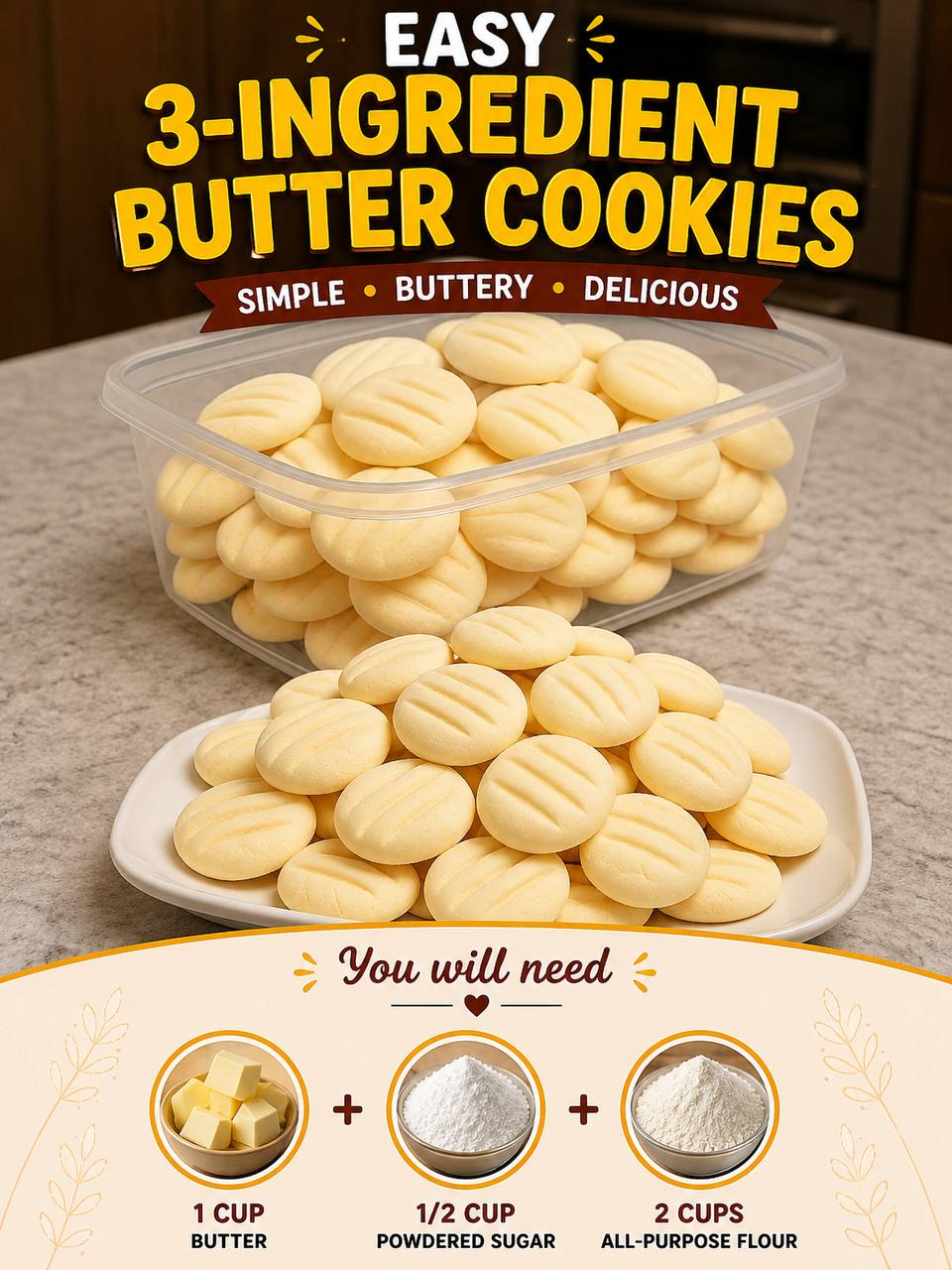
- Create the Signature Indentations: Using the tines of a fork, gently press down on each cookie dough ball to flatten it slightly and create a crisscross pattern. If the fork sticks, dip it lightly in a little extra flour before pressing.
- Bake to Perfection: Transfer the baking sheets to the preheated oven. Bake for 10-12 minutes, or until the edges are just set and very lightly golden. These cookies are meant to be pale, so avoid overbrowning. The centers might look slightly soft, but they will firm up as they cool.
- Cool Completely: Once baked, remove the cookies from the oven and let them cool on the baking sheets for 5 minutes. This allows them to firm up before transferring. Then, carefully transfer the cookies to a wire rack to cool completely. They will become wonderfully crisp and crumbly as they cool.
Cooking Tips and Variations
For the absolute best 3-Ingredient Butter Cookies, quality truly matters, especially when your ingredient list is so short. Always use high-quality unsalted butter; it’s the star of the show and provides that rich, creamy flavor and tender texture. Make sure your butter is at true room temperature – it should be soft enough to easily indent with your finger but not melted or greasy. This is crucial for proper creaming with the powdered sugar, which in turn creates a light and airy dough. When adding the flour, mix until just combined. Overmixing develops the gluten in the flour, leading to tough cookies instead of the desired delicate, crumbly texture. These cookies are best when just set and pale, so resist the urge to bake them until deeply golden. A slightly pale color indicates a tender, melt-in-your-mouth cookie.
To achieve the classic fork marks without sticking, lightly dip your fork in flour before pressing each cookie. This prevents the dough from clinging to the tines. For an extra boost of flavor, consider adding 1 teaspoon of pure vanilla extract or 1/2 teaspoon of almond extract along with the powdered sugar. A pinch of salt (about 1/4 teaspoon) can also enhance the butter flavor without making the cookies salty. For a citrusy twist, add 1 tablespoon of finely grated lemon or orange zest to the butter and sugar mixture. You can also get creative with toppings: once cooled, drizzle them with melted chocolate, dip half in chocolate, or sprinkle with colorful sprinkles for a festive touch. For different shapes, roll the dough out to about 1/4-inch thickness and use small cookie cutters, adjusting baking time as needed for thinner or larger shapes. If your dough feels too soft to handle, chilling it in the refrigerator for 15-30 minutes can make rolling and shaping much easier and help the cookies hold their shape better during baking.
Storage and Reheating
These Easy 3-Ingredient Butter Cookies are fantastic for making ahead and storing. Once completely cooled, store them in an airtight container at room temperature for up to 1 week. To maintain their crispness and prevent them from absorbing moisture, you can place a piece of parchment paper between layers of cookies if stacking them. Avoid storing them in the refrigerator, as this can dry them out and affect their texture. For longer storage, these cookies freeze beautifully. Place the cooled cookies in a single layer on a baking sheet and freeze for about 30 minutes until solid. Then, transfer them to a freezer-safe airtight container or a heavy-duty freezer bag. They can be stored in the freezer for up to 2-3 months. Thaw frozen cookies at room temperature for a few hours before serving. Reheating is generally not necessary, as they are delicious at room temperature. However, if you prefer a warm cookie, you can gently warm them in a preheated oven at 250°F (120°C) for 5-7 minutes, or until just warmed through. Be careful not to overbake them, as they can quickly become dry.
Frequently Asked Questions
What kind of butter should I use for these cookies?
For the best flavor and texture, use high-quality unsalted butter. Since butter is one of only three ingredients, its quality significantly impacts the final taste. Using unsalted butter also gives you control over the salt content if you choose to add a pinch of your own.
My dough is too crumbly and won’t come together. What went wrong?
This usually happens if your butter wasn’t soft enough or if you added too much flour. Ensure your butter is at room temperature and soft. If the dough is still too crumbly, try adding a tiny bit more softened butter, about half a tablespoon at a time, until the dough comes together. Avoid adding water, as this will change the texture.
Can I use granulated sugar instead of powdered sugar?
While you technically could, it’s not recommended for this specific recipe. Powdered sugar (confectioners’ sugar) is much finer and contains a small amount of cornstarch, which helps create the tender, melt-in-your-mouth texture that these butter cookies are known for. Granulated sugar would result in a grittier texture and a less delicate cookie.
Why are my cookies hard instead of tender and crumbly?
There are a few common reasons for hard cookies: overmixing the dough, overbaking, or using too much flour. Overmixing develops the gluten, making the cookies tough. Overbaking removes too much moisture, making them dry and hard. Always measure your flour accurately, preferably by weight, and mix until just combined. Bake until the edges are just set and lightly golden, but not deeply browned.