Instructions
- In a large mixing bowl, whisk together the dry ingredients: flour, granulated sugar, baking powder, and salt. Make sure there are no lumps and the ingredients are well combined.
- In a separate medium bowl, whisk together the wet ingredients: egg, milk, melted butter, and vanilla extract (if using). Whisk until everything is fully incorporated and smooth.
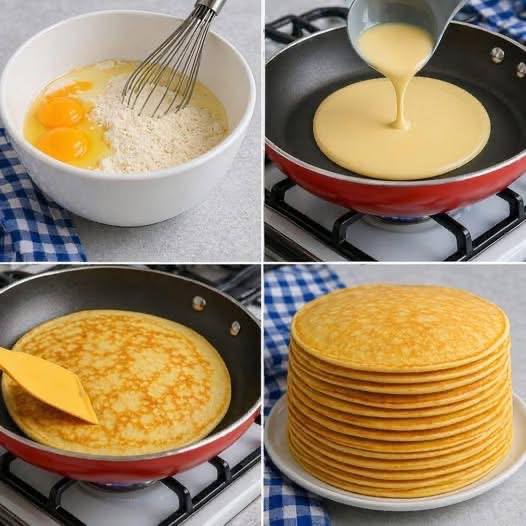
- Pour the wet ingredient mixture into the dry ingredient mixture. Using a whisk or a rubber spatula, gently mix until just combined. It’s crucial not to overmix; a few small lumps in the batter are perfectly fine and even desirable for fluffy pancakes. The batter should be smooth, as shown in the picture, but not overworked.
- Heat a large non-stick griddle or frying pan over medium heat. Lightly grease the pan with a small amount of butter or cooking spray. You’ll know the pan is ready when a drop of water sizzles and evaporates quickly.
- Pour about ¼ cup of batter for each pancake onto the hot griddle. Leave some space between each pancake to allow for spreading and easy flipping.
- Cook for 2-3 minutes on the first side, or until small bubbles appear on the surface of the pancakes, and the edges look set and slightly dry. The bottom should be golden brown.
- Using a thin spatula, carefully flip each pancake. Cook for another 1-2 minutes on the second side, until golden brown and cooked through.
- Remove the cooked pancakes from the griddle and place them on a plate. If you’re cooking multiple batches, you can keep the cooked pancakes warm by placing them on a baking sheet in a preheated oven at its lowest setting (around 200°F / 90°C) while you finish cooking the rest.
- Serve immediately with your favorite toppings.
Cooking Tips and Variations
Achieving perfect pancakes every time is easier than you think with a few simple tricks. First and foremost, do not overmix the batter. Overmixing develops the gluten in the flour, leading to tough, chewy pancakes instead of light and fluffy ones. A few lumps are perfectly acceptable and indicate a properly mixed batter. When it comes to pan temperature, medium heat is your best friend. Too low, and the pancakes won’t brown properly; too high, and they’ll burn on the outside before cooking through. You’ll know the pan is ready when a drop of water dances and evaporates quickly, or if a small amount of butter melts evenly without smoking.
For consistent pancake size and shape, consider using a ¼ cup measuring cup to pour the batter onto the griddle. This also helps ensure even cooking. Don’t rush the flip! Wait until you see plenty of bubbles forming on the surface of the pancake and the edges appear set and slightly dull. This indicates that the bottom is golden brown and ready to be flipped. A quick, confident flip is key to keeping their shape. If your first pancake doesn’t turn out perfectly, don’t worry – it’s often referred to as the “test pancake” and helps you adjust the heat and batter consistency for the rest of the batch.
To keep a batch of pancakes warm while you’re cooking the rest, preheat your oven to its lowest setting (around 200°F / 90°C). Place the cooked pancakes in a single layer on a wire rack set over a baking sheet. This prevents them from getting soggy and ensures everyone gets a warm, fresh pancake. For variations, feel free to get creative! Add a handful of fresh blueberries, chocolate chips, or sliced bananas to the batter after you’ve poured it onto the griddle, before the first flip. For a savory twist, omit the sugar and vanilla, and add herbs like chives or a pinch of garlic powder to the batter. You can also experiment with different flours; a portion of whole wheat flour can add a nutty flavor and extra fiber, though it might make the pancakes a bit denser. For a tangy twist, substitute buttermilk for regular milk (you might need to adjust the baking powder slightly).
Storage and Reheating
Homemade pancakes are best enjoyed fresh off the griddle, but sometimes you have leftovers, or you want to meal prep for a busy week. Luckily, pancakes store and reheat beautifully. To store leftover pancakes, allow them to cool completely to room temperature. Stacking warm pancakes can create condensation, making them soggy. Once cool, place them in an airtight container or a resealable freezer bag. If stacking multiple pancakes, it’s a good idea to place a piece of parchment paper between each one to prevent sticking, especially if freezing.
Pancakes can be stored in the refrigerator for up to 3-4 days. For longer storage, they freeze exceptionally well. In a freezer-safe bag or container with parchment paper between layers, frozen pancakes will maintain their quality for up to 2-3 months. This is a fantastic way to have a quick and easy breakfast ready on demand.
Reheating pancakes is simple and can be done in several ways to restore their deliciousness. The easiest method is often the microwave: place 1-2 pancakes on a microwave-safe plate and heat for 30-60 seconds, or until warmed through. Be careful not to overheat, as they can become rubbery. For a crispier exterior, you can reheat them in a toaster or toaster oven for 1-2 minutes on a medium setting, similar to how you would toast bread. If you have a larger batch, you can spread them on a baking sheet and reheat them in a preheated oven at 350°F (175°C) for 5-10 minutes, or until heated through. This method works particularly well for frozen pancakes; just add a few extra minutes to the heating time. No matter how you reheat them, they’ll still be a delightful treat!
Frequently Asked Questions
What makes pancakes fluffy?
The key to fluffy pancakes lies in several factors: the leavening agents (baking powder in this recipe), not overmixing the batter, and proper pan temperature. Baking powder creates carbon dioxide bubbles when mixed with liquid and heated, which expand and create air pockets. Overmixing develops gluten, which makes the pancakes tough and dense, preventing those airy pockets from forming. Cooking at the right medium heat allows the pancakes to cook through evenly and the bubbles to set before the outside browns too quickly.
Can I make the batter ahead of time?
While it’s generally recommended to cook pancakes immediately after mixing for the fluffiest results, you can prepare the dry ingredients and wet ingredients separately the night before. Store them covered in the refrigerator. When ready to cook, combine the two mixtures gently. If you mix the complete batter ahead of time and store it, the baking powder can lose some of its leavening power, resulting in slightly flatter pancakes. If you do make the full batter ahead, give it a gentle stir before cooking and add a tiny pinch more baking powder if needed.
What are the best toppings for pancakes?
The possibilities for pancake toppings are endless! Classic choices include maple syrup, butter, fresh berries (strawberries, blueberries, raspberries), sliced bananas, and whipped cream. For something a little more indulgent, try chocolate chips, a drizzle of chocolate sauce or caramel, chopped nuts, or a dollop of fruit compote. You can also get creative with savory toppings like bacon bits, a fried egg, or even a sprinkle of cheese for a unique breakfast experience.