Introduction
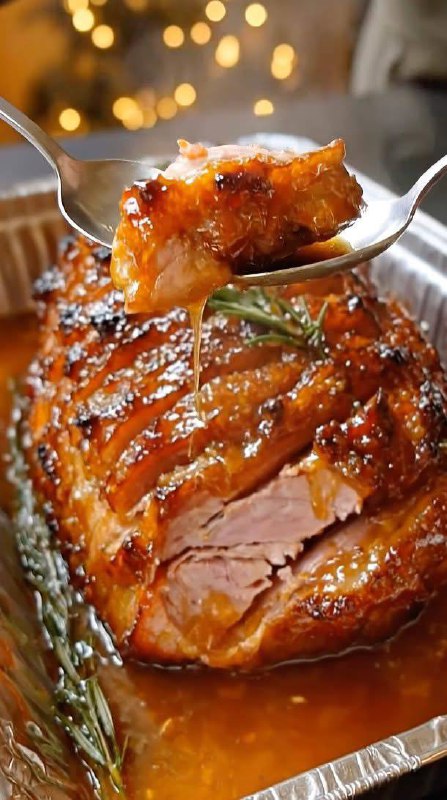
The holidays are a time for gathering, celebrating, and, of course, feasting! And at the heart of many memorable holiday tables sits a magnificent ham, glistening with a rich, caramelized glaze. Today, we’re unveiling the secret to that show-stopping centerpiece: our irresistible Honey Brown Sugar Ham Glaze. This isn’t just any glaze; it’s a symphony of sweet and savory notes that transforms a simple ham into an extraordinary culinary experience. Imagine a perfectly bronzed crust, sticky and sweet, giving way to tender, juicy meat – that’s the magic this recipe promises. It’s the kind of dish that draws gasps of delight and leaves everyone asking for the recipe.
Our Honey Brown Sugar Ham Glaze is designed to strike that perfect balance, making it the ideal complement to the inherent saltiness of cured ham. The deep, molasses-rich sweetness of brown sugar marries beautifully with the floral notes of honey, creating a sticky, glossy coating that not only looks incredible but also locks in moisture and infuses every bite with incredible flavor. Whether you’re preparing for a grand Christmas feast, a joyous Easter brunch, a bountiful Thanksgiving spread, or simply elevating a special Sunday dinner, this glaze will ensure your ham is not just a dish, but the undisputed star of the meal. Get ready to impress your guests and create lasting memories around a table adorned with this golden masterpiece.
This recipe will guide you through every step, from selecting the perfect ham to mastering the art of glazing, ensuring you achieve that coveted caramelized crust and supremely tender interior. We’ll delve into the nuances of each ingredient, provide expert tips for flawless execution, and even offer creative ideas for transforming leftovers into new delights. Prepare to elevate your holiday cooking and confidently present a ham that is as beautiful to behold as it is delicious to devour. Let’s get glazing!
Nutritional Information
Per serving (approximate values):
- Calories: 350
- Protein: 30g
- Carbohydrates: 25g
- Fat: 15g
- Fiber: 0g
- Sodium: 1200mg
Ingredients
- 8-10 pound fully cooked bone-in or boneless ham
- 1 cup packed light brown sugar
- 1/2 cup honey
- 1/4 cup Dijon mustard
- 2 tablespoons apple cider vinegar
- 1 teaspoon ground cinnamon (optional, for extra warmth)
- 1/2 teaspoon ground cloves (optional, for classic holiday flavor)
- 1/4 teaspoon ground ginger (optional)
- Fresh rosemary sprigs, for garnish (optional)
Instructions
- Prepare the Ham: Remove the ham from its packaging and pat it dry with paper towels. If your ham is not spiral-cut, score the surface of the ham in a diamond pattern, making cuts about 1/4 to 1/2 inch deep and 1 inch apart. This allows the glaze to penetrate and creates a beautiful crust. Place the ham in a large roasting pan, preferably on a rack, to allow air circulation.
- Preheat Oven: Preheat your oven to 325°F (160°C).
- First Bake (Optional, for large hams): If your ham is particularly large or you prefer a very moist interior, you can bake it for 1-1.5 hours before applying the glaze. Add about 1/2 cup of water or apple juice to the bottom of the roasting pan to help keep the ham moist. Skip this step if your ham is spiral-cut or you’re short on time.
- Prepare the Glaze: In a medium saucepan, combine the brown sugar, honey, Dijon mustard, apple cider vinegar, cinnamon, cloves, and ginger (if using). Whisk until well combined. Heat the mixture over medium heat, stirring occasionally, until the sugar has dissolved and the glaze is smooth and slightly thickened, about 5-7 minutes. Do not boil vigorously; a gentle simmer is sufficient. Remove from heat.
- First Glaze Application: Once the ham has been in the oven for the initial bake (or immediately if skipping step 3), remove it from the oven. Brush a generous layer of the warm glaze evenly over the entire surface of the ham, making sure to get it into the scored diamond patterns.
- Continue Baking and Glazing: Return the ham to the oven. Bake for approximately 15-20 minutes. Remove the ham from the oven and apply another generous layer of glaze. Repeat this process every 15-20 minutes until the ham reaches an internal temperature of 140°F (60°C) for a fully cooked ham, or 160°F (71°C) for an uncooked ham (check manufacturer’s instructions). This usually takes about 10-15 minutes per pound for a fully cooked ham, or 20-25 minutes per pound for an uncooked ham. The glazing process typically takes the last 1 to 1.5 hours of total cooking time.
- Achieve Caramelization: During the final 30-40 minutes of cooking, pay close attention to the ham. The glaze should be beautifully caramelized, golden-brown, and slightly sticky. If the glaze starts to brown too quickly, you can loosely tent the ham with aluminum foil to prevent burning.
- Rest the Ham: Once the ham reaches the desired internal temperature, remove it from the oven. Tent it loosely with aluminum foil and let it rest for at least 15-20 minutes before carving. This resting period allows the juices to redistribute throughout the meat, ensuring a tender and moist result.
- Carve and Serve: Carve the ham against the grain into desired slices. Garnish with fresh rosemary sprigs if desired. Serve warm with any accumulated pan juices, which can be spooned over the slices or used as a dipping sauce.
Cooking Tips and Variations
To ensure your Honey Brown Sugar Ham Glaze is nothing short of spectacular, consider these expert tips and exciting variations. Firstly, choosing the right ham is crucial. For ease and consistent results, we highly recommend a fully cooked, bone-in ham. Bone-in hams tend to have more flavor and moisture, though a boneless variety works perfectly well too. If you opt for a spiral-cut ham, be mindful that it can dry out more quickly, so keep an eye on it and adjust your basting frequency. When scoring your ham, aim for a shallow diamond pattern, about 1/4 to 1/2 inch deep. This isn’t just for aesthetics; it allows the glaze to seep into the meat, ensuring flavor in every bite and creating those irresistible crispy edges. Don’t go too deep, or you risk the ham falling apart when carving. For the glaze itself, consistency is key. If your glaze seems too thick after simmering, you can thin it slightly with a tablespoon or two of warm water or apple juice until it’s easily brushable. If it’s too thin, let it simmer gently for a few more minutes to reduce and thicken. Remember, a thicker glaze will adhere better and build a more substantial crust.
Preventing your beautiful glaze from burning is paramount. The high sugar content means it can caramelize quickly, especially towards the end of the cooking process. If you notice the glaze browning too rapidly, loosely tent the ham with aluminum foil. This will shield it from direct heat while allowing the ham to continue cooking through. Always use a reliable meat thermometer to ensure the ham is heated to a safe internal temperature (140°F for fully cooked ham). Insert the thermometer into the thickest part of the ham, avoiding the bone. Do not skip the resting step after cooking; this 15-20 minute period is vital for a juicy ham. It allows the muscle fibers to relax and reabsorb the juices, preventing them from running out when you carve. For an extra boost of moisture and flavor during the initial baking phase, especially for larger hams, add about 1/2 to 1 cup of apple juice, chicken broth, or even ginger ale to the bottom of the roasting pan. This liquid will create steam, keeping the ham moist and infusing it with subtle aromatics.
Now, let’s talk about exciting flavor variations for your glaze. For a brighter, more citrusy note, add the zest of one orange or 2 tablespoons of fresh orange juice to the glaze mixture. This pairs wonderfully with ham and adds a festive touch. If you enjoy a bit of warmth and spice beyond cinnamon and cloves, consider a pinch of nutmeg or allspice. For an adult twist, substitute 1/4 cup of the apple cider vinegar with bourbon or dark rum; the alcohol will cook off, leaving behind a rich, complex flavor. Smoked paprika can add a subtle smoky depth, while a teaspoon of grated fresh ginger can elevate the aromatic profile. You can even make the glaze in advance! Prepare it up to 3-4 days ahead and store it in an airtight container in the refrigerator. Gently reheat it on the stovetop over low heat, stirring frequently, before applying to the ham. Lastly, don’t discard those delicious pan juices! They are packed with flavor from the ham and glaze. Skim off any excess fat, then whisk the remaining liquid into a quick gravy or simply spoon it over carved ham slices for an extra layer of deliciousness.
Storage and Reheating
Proper storage of your leftover Honey Brown Sugar Ham is essential to maintain its delicious flavor and ensure food safety. Once the ham has cooled to room temperature (within two hours of cooking), carve any remaining meat off the bone if desired, or store larger portions whole. Place the ham in airtight containers or wrap it tightly in aluminum foil, then plastic wrap, to prevent it from drying out. Store the wrapped ham in the refrigerator for up to 3-4 days. For longer storage, you can freeze leftover ham. Cut it into smaller, manageable portions, wrap them tightly in plastic wrap and then aluminum foil, or place them in freezer-safe bags. Frozen ham can be stored for up to 1-2 months. Thaw frozen ham in the refrigerator overnight before reheating.
When reheating your ham, the goal is to warm it through without drying it out. The best method for reheating a glazed ham is in the oven. Preheat your oven to 275°F (135°C). Place the ham slices or a larger portion in an oven-safe dish with a splash of water, apple juice, or broth at the bottom to create steam. Cover the dish tightly with aluminum foil. Reheat for approximately 15-20 minutes for slices, or 30-45 minutes for larger portions, until warmed through. The exact time will depend on the thickness and size of the ham. You can also reheat individual slices in the microwave, though this method can sometimes lead to a less tender result. Place slices on a microwave-safe plate, add a tablespoon of liquid, cover, and heat in 30-second intervals until warm.
Any leftover glaze can also be stored. If you have extra glaze that wasn’t exposed to the ham or pan drippings, transfer it to an airtight container and refrigerate for up to a week. This can be reheated gently and used as a dipping sauce for ham sandwiches or even drizzled over roasted vegetables. If the glaze was mixed with pan drippings, it’s best to discard it after the ham is finished, or use it within a day or two in a soup or sauce that will be thoroughly cooked.
Frequently Asked Questions
What kind of ham should I buy for this recipe?
We recommend a fully cooked bone-in ham for the best flavor and moisture. A spiral-cut ham also works beautifully and is convenient, but be extra vigilant about not overcooking it, as it can dry out more easily. If you’re using an uncooked ham, be sure to adjust your cooking times according to the manufacturer’s instructions and ensure it reaches an internal temperature of 160°F (71°C).
Can I make the glaze ahead of time?
Absolutely! Preparing the glaze in advance is a great time-saver, especially for holiday meals. Simply make the glaze as instructed, let it cool completely, and then store it in an airtight container in the refrigerator for up to 3-4 days. When you’re ready to use it, gently reheat it on the stovetop over low heat, stirring frequently, until it’s smooth and brushable.
My glaze is burning! What should I do?
The high sugar content in the glaze can cause it to caramelize quickly. If you notice the glaze browning too rapidly during the final stages of cooking, simply cover the ham loosely with aluminum foil. This will shield the glazed surface from direct heat, allowing the ham to finish cooking without the glaze becoming too dark or burnt. You can remove the foil for the very last few minutes if you want a final burst of caramelization.
How do I know when the ham is done?
The most accurate way to determine if your ham is done is by using a meat thermometer. For a fully cooked ham, you are simply reheating it, so it should reach an internal temperature of 140°F (60°C). For an uncooked ham, it needs to reach 160°F (71°C). Insert the thermometer into the thickest part of the ham, making sure it doesn’t touch the bone, as bones can give a false reading. Always allow the ham to rest for 15-20 minutes after cooking for optimal juiciness.