Introduction
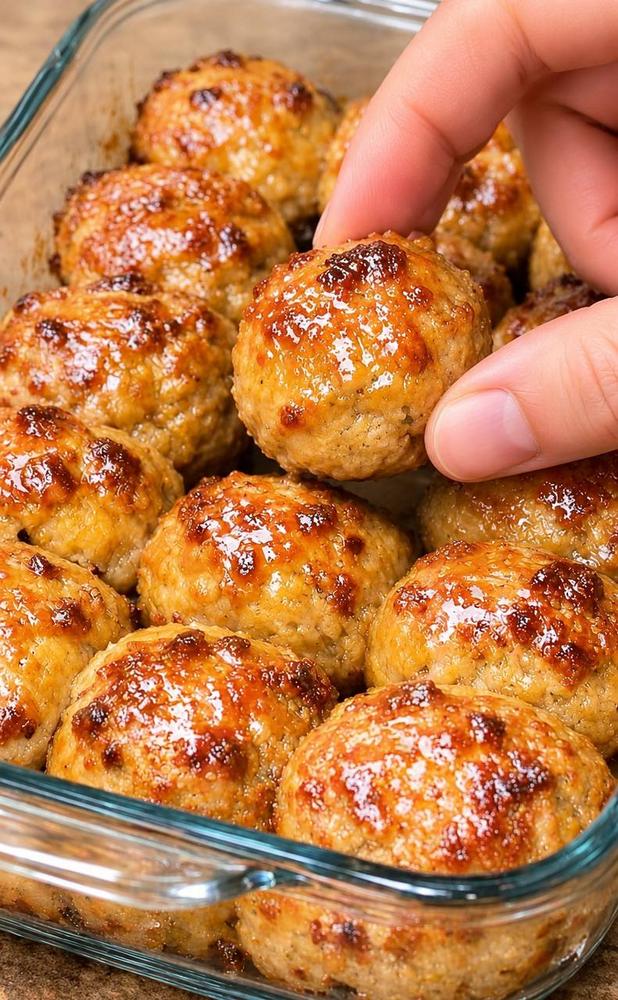
There are some dishes that just scream “comfort” and “celebration” all at once, and for me, honey garlic glazed meatballs are at the top of that list. Imagine tender, juicy meatballs, each one lovingly coated in a sticky, sweet, and savory glaze that glistens under the light. They’re the ultimate crowd-pleaser, whether you’re hosting a big game day party, need a show-stopping appetizer for a holiday gathering, or simply crave a ridiculously delicious weeknight meal that comes together with surprising ease. This isn’t just a recipe; it’s an invitation to experience an explosion of flavor that will have everyone reaching for just one more.
What makes these Honey Garlic Glazed Meatballs so utterly irresistible? It’s that perfect balance. The rich, savory notes of the perfectly seasoned ground meat are beautifully complemented by the vibrant, aromatic punch of fresh garlic, all harmoniously enveloped in the golden sweetness of honey. The glaze isn’t just a sauce; it’s a luscious, caramelized coating that clings to every curve of the meatball, transforming it into a bite-sized masterpiece. Baked to perfection, they develop a slightly crisp exterior while remaining incredibly moist and tender on the inside, ensuring a delightful texture in every single mouthful.
You’re going to absolutely love this recipe not only for its incredible taste but also for its sheer versatility and straightforward preparation. Forget complicated techniques; we’re talking about simple steps that yield restaurant-quality results right in your own kitchen. They’re fantastic on their own with a toothpick for easy snacking, sublime served over fluffy rice or noodles for a hearty main course, or even tucked into a soft roll for an epic meatball sub. Get ready to add a new favorite to your culinary repertoire – these honey garlic glazed meatballs are destined to become your go-to for any occasion.
Nutritional Information
Per serving (approximate values, based on 4 meatballs per serving):
- Calories: 320
- Protein: 25g
- Carbohydrates: 22g
- Fat: 15g
- Fiber: 1g
- Sodium: 680mg
Ingredients
For the Meatballs:
- 1.5 lbs ground meat (pork, chicken, turkey, or a beef/pork blend)
- 1/2 cup plain breadcrumbs
- 1 large egg, lightly beaten
- 1/4 cup finely minced yellow onion
- 2 cloves garlic, minced
- 1 tablespoon fresh parsley, chopped (optional)
- 1 teaspoon salt
- 1/2 teaspoon black pepper
- 1/4 teaspoon red pepper flakes (optional, for a little heat)
For the Honey Garlic Glaze:
- 1/2 cup honey
- 1/2 cup soy sauce (low sodium preferred)
- 4 cloves garlic, minced
- 2 tablespoons rice vinegar
- 1 tablespoon brown sugar (packed)
- 1 tablespoon cornstarch
- 2 tablespoons cold water
- 1 teaspoon grated fresh ginger (optional, for extra flavor)
- 1/4 teaspoon black pepper
For Garnish (Optional):
- Sesame seeds
- Sliced green onions or fresh parsley, chopped
Instructions
- Preheat Oven & Prepare Baking Dish: Preheat your oven to 400°F (200°C). Lightly grease a large baking dish (a 9×13 inch dish works well) or line it with parchment paper for easy cleanup.
- Prepare Meatball Mixture: In a large mixing bowl, combine the ground meat, breadcrumbs, beaten egg, minced onion, 2 cloves minced garlic, chopped parsley (if using), salt, black pepper, and red pepper flakes (if using). Use your hands to gently mix until all ingredients are just combined. Be careful not to overmix, as this can lead to tough meatballs.
- Form Meatballs: Roll the meat mixture into uniform balls, about 1 to 1.5 inches in diameter. Aim for roughly 30-35 meatballs, depending on your desired size. Place the formed meatballs in a single layer in the prepared baking dish, ensuring they have a little space between them for even cooking.
- Bake Meatballs: Bake the meatballs in the preheated oven for 18-22 minutes, or until they are cooked through and lightly browned. They don’t need to be fully cooked through at this stage, as they will finish cooking in the glaze. Once baked, carefully remove the baking dish from the oven.
- Prepare the Glaze: While the meatballs are baking, prepare the honey garlic glaze. In a medium saucepan, whisk together the honey, soy sauce, 4 cloves minced garlic, rice vinegar, brown sugar, grated ginger (if using), and black pepper.
- Thicken the Glaze: In a small bowl, whisk together the cornstarch and cold water until smooth to create a slurry. Add the cornstarch slurry to the saucepan with the glaze ingredients.
- Simmer the Glaze: Place the saucepan over medium heat and bring the mixture to a gentle simmer, whisking constantly. Continue to simmer for 2-3 minutes, or until the glaze has thickened enough to coat the back of a spoon. Remove from heat.
- Glaze the Meatballs: Pour the thickened honey garlic glaze directly over the baked meatballs in the baking dish. Gently toss or stir the meatballs to ensure every one is thoroughly coated in the sticky glaze.
- Return to Oven for Glazing: Return the glazed meatballs to the oven for an additional 10-15 minutes, or until the glaze is bubbling, sticky, and slightly caramelized, and the meatballs are fully cooked through. For an extra sticky, beautifully browned finish, you can switch the oven to broil for the last 2-3 minutes, watching carefully to prevent burning.
- Garnish and Serve: Remove from the oven. Garnish with sesame seeds and sliced green onions or fresh parsley, if desired. Serve hot and enjoy!
Cooking Tips and Variations
Achieving perfectly tender, flavorful honey garlic glazed meatballs every time is easier than you think with a few key tips and creative variations. For starters, when mixing your meatball ingredients, remember the golden rule: don’t overmix! Overworking the meat can lead to tough, dense meatballs. Mix just until everything is combined. Using a cookie scoop for forming your meatballs is a fantastic hack for ensuring uniform size, which in turn guarantees even cooking – no more worrying about some being overcooked while others are still pink in the middle. If you’re concerned about dry meatballs, especially with leaner ground meats like turkey or chicken, consider adding a tablespoon or two of milk or a little extra egg to the mixture. This will boost moisture content and keep them incredibly juicy.
When it comes to the glaze, don’t be afraid to customize it to your taste. For those who love a bit of a kick, a pinch of cayenne pepper or an extra dash of red pepper flakes can elevate the heat without overwhelming the other flavors. If you prefer a less sweet glaze, you can slightly reduce the amount of honey or brown sugar. Conversely, if you have a sweet tooth, a little extra honey will make it even more decadent. For a deeper umami flavor, a splash of Worcestershire sauce or a teaspoon of fish sauce can add complexity to the glaze. To make the glaze extra thick and glossy, ensure your cornstarch slurry is completely smooth before adding it to the simmering sauce, and let it simmer for a full 2-3 minutes after adding, or until it coats the back of a spoon. If you find your glaze is too thick, a tablespoon of hot water or chicken broth can thin it out; if it’s too thin, a bit more cornstarch slurry (mixed with cold water first) can thicken it up.
The beauty of this recipe also lies in its adaptability. For a gluten-free version, simply swap out the plain breadcrumbs for gluten-free breadcrumbs and ensure your soy sauce is gluten-free (tamari is an excellent choice). If you’re looking for a healthier alternative, ground chicken or turkey works wonderfully, just be mindful that they tend to be leaner and may require a bit more moisture in the meatball mixture. For a vegetarian option, you can adapt this recipe using plant-based ground “meat” substitutes, adjusting baking times as necessary according to package instructions. You can also incorporate finely grated carrots or zucchini into the meatball mixture for added vegetables and moisture, making them even more nutritious. Finally, don’t underestimate the power of a quick broil at the very end of the cooking process. Just 2-3 minutes under the broiler can give your glazed meatballs that irresistible, slightly charred, super sticky finish that takes them from great to absolutely unforgettable. Just be sure to watch them closely, as glazes can burn quickly under high heat.
Storage and Reheating
Proper storage is key to enjoying your delicious Honey Garlic Glazed Meatballs for days to come. Once cooled to room temperature, transfer any leftover meatballs and their sticky glaze to an airtight container. They will keep beautifully in the refrigerator for up to 3-4 days. For longer storage, these meatballs freeze exceptionally well. Arrange the cooled meatballs in a single layer on a parchment-lined baking sheet and freeze until solid. Once frozen, transfer them to a freezer-safe bag or container, removing as much air as possible to prevent freezer burn. They can be stored in the freezer for up to 2-3 months. This is a fantastic make-ahead option for meal prepping or having a quick appetizer on hand for unexpected guests.
When it comes to reheating, you have a few excellent options to ensure they retain their delicious flavor and texture. From the refrigerator, you can reheat them gently in the microwave in 30-second intervals until warmed through, stirring occasionally to redistribute the glaze. For a crispier exterior and to reinvigorate that sticky glaze, reheating in the oven is ideal. Preheat your oven to 300-325°F (150-160°C), place the meatballs in a single layer in a baking dish, and bake for 10-15 minutes, or until heated through. You can also reheat them on the stovetop in a skillet over medium-low heat, stirring frequently, until warmed. If reheating from frozen, it’s best to thaw them in the refrigerator overnight first. Once thawed, follow the same reheating instructions as refrigerated meatballs. If you need to reheat directly from frozen, place them in a baking dish in an oven preheated to 350°F (175°C) for 20-30 minutes, or until heated through, stirring halfway. If the glaze seems a little dry after reheating, you can always whisk together a small batch of fresh glaze or simply add a splash of water or broth to the existing glaze during reheating to loosen it up.
Frequently Asked Questions
How do I prevent my meatballs from drying out?
The key to juicy meatballs is not overmixing the meatball mixture; mix just until combined. Also, using a ground meat with a slightly higher fat content (like 80/20 beef or ground pork) helps. If using leaner meats like ground turkey or chicken, adding a tablespoon or two of milk, cream, or extra egg to the mixture can provide additional moisture and prevent them from drying out during cooking. Baking them initially until just cooked through, rather than overbaking, and then letting them finish cooking in the glaze also helps retain moisture.
Can I make these meatballs ahead of time?
Absolutely! This recipe is fantastic for meal prep. You can prepare and form the meatballs, then store them raw in an airtight container in the refrigerator for up to 24 hours before baking. Alternatively, you can fully cook the meatballs, let them cool, and then store them with the glaze in an airtight container in the refrigerator for 3-4 days, or freeze them for up to 2-3 months. Simply reheat when ready to serve.
What can I serve with Honey Garlic Glazed Meatballs?
These versatile meatballs pair well with a variety of sides! For a complete meal, serve them over fluffy white rice, brown rice, or your favorite noodles (like lo mein or ramen). Steamed vegetables such as broccoli, green beans, or asparagus make a great light side. For an appetizer spread, simply serve them with toothpicks. They also make delicious sliders when tucked into small buns with a dollop of coleslaw or a slice of cheese.
My glaze isn’t thickening. What went wrong?
There are a few common reasons why a glaze might not thicken. Ensure you’re using cornstarch and cold water to create a smooth slurry before adding it to the hot liquid; adding cornstarch directly to hot liquid can cause lumps and prevent it from dissolving properly. Also, make sure you bring the glaze mixture to a gentle simmer and let it cook for at least 2-3 minutes after adding the cornstarch slurry, whisking frequently. The heat activates the cornstarch. If it’s still too thin, you can create another small cornstarch slurry (1 teaspoon cornstarch mixed with 1 tablespoon cold water) and slowly whisk it into the simmering glaze until your desired thickness is reached.