Instructions
- Prepare Your Eggs: Crack the three large eggs into a medium bowl. If using, add the optional tablespoon of whole milk or cream.
- Whisk Gently: Using a whisk or a fork, gently whisk the eggs until the yolks and whites are just combined and no streaks of egg white remain. Be careful not to over-whisk, as incorporating too much air can lead to a frothy texture. You’re aiming for a smooth, uniform yellow mixture.
- Heat the Pan: Place a non-stick skillet (preferably 8-inch or 9-inch) over low to medium-low heat. This is crucial – low and slow is the key to creamy scrambled eggs.
- Melt the Butter: Add the tablespoon of unsalted butter to the skillet. Allow it to melt completely, swirling it around to coat the bottom and sides of the pan. The butter should be shimmering but not browning.
- Pour in Eggs: Once the butter is melted and the pan is gently heated, pour the whisked egg mixture into the skillet.
- Start Cooking (The Patience Part): Let the eggs sit undisturbed for about 30-60 seconds, allowing the edges to just begin to set. Do not stir immediately.
- Gentle Stirring: After the initial setting, use a heat-resistant rubber spatula to gently push the cooked egg from the edges towards the center of the pan. Tilt the pan to allow the uncooked egg to flow into the empty spaces.
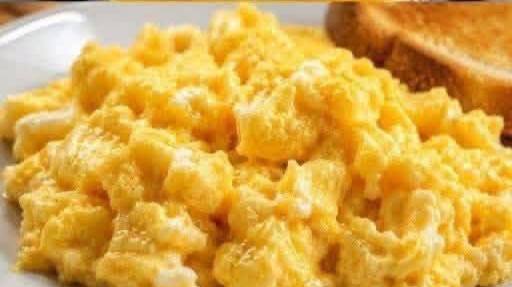
- Continue Folding: Continue this gentle pushing and folding motion, moving the spatula slowly across the bottom and sides of the pan. Work in broad strokes rather than frantic chopping. The goal is to create large, soft curds.
- Monitor Heat: If at any point the eggs seem to be cooking too quickly or sticking, briefly lift the pan off the heat for a few seconds to regulate the temperature. Return it to the heat and continue stirring.
- Seasoning: When the eggs are about 75-80% cooked and still look slightly wet and glossy, sprinkle in the pinch of fine sea salt and a generous grind of black pepper. Seasoning towards the end prevents the salt from drawing out moisture too early and helps maintain a creamy texture.
- Remove from Heat: The most important step! Remove the skillet from the heat when the eggs are still slightly wet and jiggly, just shy of your desired doneness. They will continue to cook from the residual heat of the pan (this is called carry-over cooking).
- Serve Immediately: Transfer the scrambled eggs directly from the skillet to a warm plate. Garnish with fresh chives or parsley if desired, and serve immediately with your favorite accompaniments like toast, avocado, or bacon. Enjoy the creamy perfection!
Cooking Tips and Variations
Temperature Control is King: This cannot be stressed enough. High heat will lead to dry, rubbery, and browned eggs. Low to medium-low heat ensures slow, even cooking, allowing the proteins to set gently and retain moisture, resulting in that custardy texture. Be patient; good scrambled eggs take a little time.
The Right Pan Matters: A good quality non-stick skillet is your best friend here. It prevents sticking and allows you to gently move the eggs without tearing them, contributing to those beautiful, soft curds. A heavy-bottomed pan will also distribute heat more evenly.
Don’t Whisk Too Aggressively: While you want the yolks and whites fully incorporated, over-whisking can incorporate too much air, which can make the eggs slightly foamy and less creamy. A gentle whisk until just combined is perfect.
Butter is Best: Butter not only adds incredible flavor but also helps prevent sticking and contributes to the overall richness and mouthfeel. Unsalted butter gives you control over the final salt content.
The “Pull and Fold” Technique: Rather than frantic stirring or chopping, use a rubber spatula to gently push the cooked egg from the edges towards the center, allowing the uncooked egg to flow underneath. This creates larger, softer curds. Think of it more as folding than stirring.
Know When to Stop: This is perhaps the trickiest part. Scrambled eggs are best removed from the heat when they still look slightly undercooked, glossy, and wet. They will continue to firm up off the heat. If they look perfectly cooked in the pan, they will be overcooked by the time they reach your plate.
Season Towards the End: Adding salt too early can draw moisture out of the eggs, potentially making them watery. Seasoning when they are about 75-80% cooked ensures the best texture and flavor.
Variations to Explore:
- Cheesy Scrambled Eggs: Fold in a tablespoon or two of shredded cheese (cheddar, Gruyere, goat cheese) during the last minute of cooking.
- Herby Scrambled Eggs: Stir in a tablespoon of fresh, finely chopped herbs like chives, parsley, dill, or tarragon just before serving.
- Spicy Scrambled Eggs: Add a pinch of red pepper flakes or a dash of hot sauce to the eggs while whisking or just before serving.
- Veggie Boost: Sauté finely diced vegetables like bell peppers, onions, spinach, or mushrooms in a separate pan until tender, then fold them into the eggs during the last minute of cooking.
- Smoked Salmon Scramble: Flake in some smoked salmon after the eggs are cooked, just before serving, for a touch of elegance.
- Cream Cheese Swirl: For an ultra-creamy, slightly tangy twist, dollop a teaspoon of cream cheese into the eggs during the last 30 seconds of cooking and gently swirl it in.
Storage and Reheating
Storage: While scrambled eggs are definitely best enjoyed fresh off the pan, you can store leftovers. Allow the cooked scrambled eggs to cool completely before transferring them to an airtight container. Refrigerate promptly and consume within 1-2 days. Be aware that the texture will change slightly upon cooling and reheating, becoming a bit firmer.
Reheating: For best results, use a non-stick skillet over low heat. Add a tiny pat of butter or a splash of milk to the pan. Add the leftover scrambled eggs and gently stir them, breaking them up slightly, until they are just warmed through. Avoid high heat, as this will further dry them out and make them rubbery. You can also microwave them in short 15-30 second bursts, stirring in between, until just heated through. Be careful not to overheat, as this is the quickest way to ruin their texture.
Frequently Asked Questions
What’s the difference between French-style and American-style scrambled eggs?
French-style scrambled eggs are typically cooked very slowly over low heat, often in a double boiler, with constant stirring, resulting in tiny, almost custardy curds that are incredibly creamy and soft, almost resembling a thick sauce. American-style, like this recipe, still emphasizes creaminess but aims for slightly larger, distinct soft curds and is cooked directly in a skillet, making it quicker to achieve.
Can I make scrambled eggs without milk or cream?
Absolutely! This recipe works perfectly well without any added dairy. The key to creamy scrambled eggs when omitting milk or cream is still low heat, plenty of butter, and not overcooking them. The butter provides richness and helps with the texture, while careful cooking ensures the eggs retain their natural moisture.
Why do my scrambled eggs turn out watery?
Watery scrambled eggs can be caused by a few factors. One common culprit is adding salt too early in the cooking process, as salt can draw moisture out of the eggs. Another reason could be cooking them too slowly without enough heat to properly set the proteins, leading to a watery residue. Overcrowding the pan can also lower the pan’s temperature too much, hindering proper evaporation and setting. Ensure your pan is adequately heated, use fresh eggs, and season towards the end.
How do I prevent my scrambled eggs from sticking to the pan?
The best way to prevent sticking is to use a good quality non-stick skillet. Additionally, ensure you use enough butter or cooking fat to coat the entire surface of the pan. Cooking over low to medium-low heat also helps, as high heat can cause eggs to bond quickly and aggressively to the pan surface before they have a chance to set and release.