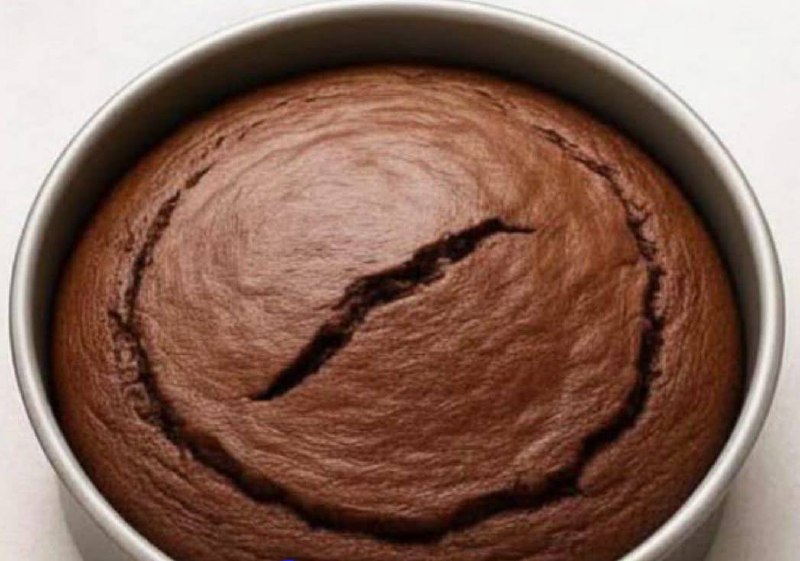
Introduction
Ah, the chocolate cake. Just the mention of it conjures images of celebratory moments, comforting indulgence, and pure, unadulterated bliss. It’s a dessert that transcends cultures and generations, a universal symbol of deliciousness. But not all chocolate cakes are created equal. We’ve all experienced the dry, crumbly disappointment or the overly sweet, one-note impostor. Today, we embark on a quest for something truly special: the perfect chocolate cake. This isn’t just any chocolate cake; it’s the one that will make your eyes roll back in delight, the one that boasts an impossibly moist crumb, a deep, resonant chocolate flavor that lingers beautifully, and a tenderness that melts in your mouth with every forkful.
What defines this elusive perfection? It’s a symphony of textures and tastes. Imagine a cake so tender it almost dissolves, yet sturdy enough to hold its own. Picture a rich, dark hue that hints at the intensity of its chocolate soul, complemented by a subtle sweetness that never overwhelms. The perfect chocolate cake is never dry; instead, it’s infused with moisture, a testament to careful ingredient selection and precise technique. It’s the cake you’ll crave again and again, the one that makes everyone ask for the recipe.
In this comprehensive guide, we’re going to unlock the secrets to achieving this chocolate masterpiece. We’ll delve into the essential ingredients, demystify the baking process with step-by-step instructions, and equip you with the knowledge to troubleshoot common cake conundrums. From selecting the right cocoa powder to understanding the magic of hot liquid, every detail is designed to ensure your success. Get ready to transform your kitchen into a haven of rich, chocolatey aromas and emerge victorious with the perfect chocolate cake, ready to impress and delight.
Nutritional Information
Per serving (approximate values):
- Calories: 450
- Protein: 5g
- Carbohydrates: 60g
- Fat: 22g
- Fiber: 3g
- Sodium: 350mg
Ingredients
- 2 cups (250g) All-Purpose Flour
- 1 ¾ cups (350g) Granulated Sugar
- ¾ cup (75g) Unsweetened Cocoa Powder (Dutch-processed recommended for darker color and milder flavor)
- 1 ½ teaspoons Baking Soda
- 1 teaspoon Baking Powder
- 1 teaspoon Salt
- 1 cup (240ml) Buttermilk, at room temperature
- ½ cup (120ml) Vegetable Oil (or other neutral-flavored oil)
- 2 Large Eggs, at room temperature
- 1 teaspoon Vanilla Extract
- 1 cup (240ml) Hot Water or Hot Brewed Coffee
- For the frosting (optional, but highly recommended):
- 1 cup (226g) Unsalted Butter, softened
- 3-4 cups (360-480g) Powdered Sugar, sifted
- ¾ cup (75g) Unsweetened Cocoa Powder, sifted
- ½ teaspoon Salt
- 2 teaspoons Vanilla Extract
- 4-6 tablespoons (60-90ml) Milk or Cream
Instructions
- Prepare Your Pan and Preheat Oven: Preheat your oven to 350°F (175°C). Grease and flour a 9-inch round cake pan thoroughly, or line the bottom with parchment paper and grease the sides. For an extra non-stick measure, you can dust the greased pan with cocoa powder instead of flour for a seamless, white-flour-free finish on your chocolate cake.
- Combine Dry Ingredients: In a large mixing bowl, whisk together the all-purpose flour, granulated sugar, unsweetened cocoa powder, baking soda, baking powder, and salt. Whisk well for about 30 seconds to ensure all ingredients are evenly distributed and no lumps remain. This initial mixing helps the leavening agents activate properly later.
- Combine Wet Ingredients (Except Hot Liquid): In a separate medium bowl, whisk together the buttermilk, vegetable oil, large eggs, and vanilla extract until well combined and smooth. Ensure your eggs and buttermilk are at room temperature, as this helps create a more uniform batter and a tenderer cake crumb.
- Combine Wet and Dry Ingredients: Pour the wet ingredients into the bowl with the dry ingredients. Using a whisk or a rubber spatula, mix on low speed (if using an electric mixer) or by hand until just combined. Be careful not to overmix; overmixing develops gluten, which can lead to a tough, dry cake. A few small lumps are perfectly fine at this stage.
- Add the Hot Liquid: Carefully pour the hot water or hot brewed coffee into the batter. Whisk or stir gently until the batter is smooth and pourable. The hot liquid will thin the batter considerably, which is exactly what you want. It also helps to “bloom” the cocoa powder, intensifying its flavor and creating a more deeply colored cake.
- Pour into Pan and Bake: Pour the thinned batter evenly into the prepared 9-inch round cake pan. Place the pan in the center of the preheated oven.
- Bake the Cake: Bake for 30-35 minutes, or until a wooden skewer or toothpick inserted into the center comes out clean or with a few moist crumbs attached. The cake should also spring back lightly when gently pressed. Don’t open the oven door too early, especially in the first 20 minutes, to prevent the cake from sinking.
- Cool the Cake: Once baked, remove the cake from the oven and let it cool in the pan on a wire rack for 10-15 minutes. This crucial step allows the cake to firm up and prevents it from breaking when inverted.
- Invert and Finish Cooling: After 10-15 minutes, carefully run a thin knife around the edges of the pan to loosen the cake. Place the wire rack over the top of the cake pan and, holding both firmly, invert the cake onto the rack. Remove the pan and parchment paper (if used). Allow the cake to cool completely on the wire rack before frosting, typically 1.5 to 2 hours. Frosting a warm cake will cause the frosting to melt and slide off.
- Prepare the Frosting (Optional): While the cake cools, prepare your favorite chocolate frosting. For a classic chocolate buttercream, beat the softened butter in a large bowl until creamy. Gradually add the sifted powdered sugar and cocoa powder, alternating with splashes of milk or cream, until light and fluffy. Beat in the salt and vanilla extract. Adjust consistency with more powdered sugar or milk as needed.
- Frost and Serve: Once the cake is completely cool, spread your prepared frosting evenly over the top and sides. Slice and serve!
Cooking Tips and Variations
For the ultimate moist and tender crumb, ensure all your cold ingredients like eggs and buttermilk are at room temperature. This helps them emulsify better with the other ingredients, leading to a smoother batter and a finer texture in the final cake. If you forget to take them out ahead of time, you can quickly warm eggs by placing them in a bowl of warm water for 5-10 minutes, and buttermilk can be gently warmed in the microwave for a few seconds (be careful not to scramble it).
When it comes to cocoa powder, Dutch-processed cocoa is a game-changer for this recipe. Its milder acidity and darker color contribute to a rich, deep chocolate flavor and a beautiful mahogany crumb, without adding any bitterness. Natural cocoa powder is more acidic and reacts differently with baking soda, so stick to Dutch-processed for the intended result here. The hot water or coffee isn’t just for thinning the batter; it “blooms” the cocoa powder, intensifying its flavor and color significantly. Don’t skip it!
Do not overmix your batter after combining the wet and dry ingredients. Overmixing develops gluten, which can lead to a tough, chewy cake. Mix just until the ingredients are incorporated; a few small lumps are preferable to a perfectly smooth but overmixed batter. Similarly, avoid overbaking. Start checking for doneness at the lower end of the baking time. An internal temperature of 200-205°F (93-96°C) is ideal for a perfectly baked cake. Overbaking is the quickest way to a dry cake.
For variations, you can infuse this cake with different flavors. Add a teaspoon of espresso powder to the dry ingredients along with the cocoa for an even deeper chocolate flavor. For a hint of mint, add a few drops of peppermint extract to the batter or frosting. Orange zest can also be incorporated into the batter for a bright, citrusy counterpoint to the rich chocolate. If you prefer a richer cake, you can substitute melted butter for the vegetable oil, though oil generally yields a moister cake due to its liquid state at room temperature. For a truly decadent treat, consider adding chocolate chips or chopped chocolate to the batter in the final mixing step.
To prevent your cake from sticking, go beyond just greasing and flouring. After greasing the pan, cut a circle of parchment paper to fit the bottom of the pan and place it in. Then grease the parchment and flour the sides of the pan. This virtually guarantees a clean release. If you find your cake tends to dome excessively or crack, your oven might be running a little hot. Consider reducing the oven temperature by 25°F (15°C) and extending the baking time slightly. Using an oven thermometer is highly recommended to ensure accurate temperatures.
Storage and Reheating
To keep your perfect chocolate cake fresh and moist, proper storage is key. If the cake is unfrosted, it can be stored at room temperature, tightly wrapped in plastic wrap, for up to 2-3 days. This prevents it from drying out and absorbing other odors. If the cake is frosted with a buttercream or ganache that doesn’t require refrigeration, it can also be stored at room temperature in an airtight cake dome or container for 2-3 days. However, if your frosting contains perishable ingredients like cream cheese or fresh cream, the cake should be stored in the refrigerator.
When storing in the refrigerator, place the cake (frosted or unfrosted) in an airtight container. Refrigerated cake will stay fresh for up to 5-7 days. It’s important to note that cold temperatures can sometimes dry out cake, so wrapping it well is crucial. If you’re storing a whole frosted cake, you can place it uncovered in the fridge for about 15-20 minutes to allow the frosting to firm up, then loosely cover it with plastic wrap without disturbing the frosting.
For longer storage, chocolate cake freezes beautifully. For unfrosted cake layers, wrap each cooled layer tightly in plastic wrap, then an additional layer of aluminum foil. For frosted cake, freeze uncovered until the frosting is firm, then wrap tightly in plastic wrap and foil. Frozen cake can be stored for up to 2-3 months. To thaw, simply transfer the cake (still wrapped) to the refrigerator overnight, or to room temperature for a few hours, depending on its size. Thawing slowly helps to retain moisture.
Reheating chocolate cake isn’t usually necessary, as it’s typically enjoyed at room temperature. However, if you have a slice that has been refrigerated and you prefer it slightly warm, you can gently warm it in the microwave for 10-20 seconds. Be very careful not to overheat, as this can dry out the cake. For frozen slices, thaw them first, then warm briefly if desired. The best way to enjoy this perfect chocolate cake is at room temperature, allowing its rich flavors and moist texture to truly shine.
Frequently Asked Questions
Why did my cake sink in the middle?
A sinking cake can be caused by several factors. The most common culprits are opening the oven door too early (especially in the first 20 minutes of baking), an oven temperature that’s too low, overmixing the batter which incorporates too much air that then collapses, or using too much leavening agent (baking soda/powder). Ensure your oven temperature is accurate with an oven thermometer and resist the urge to peek until at least two-thirds of the baking time has passed.
My chocolate cake turned out dry. What went wrong?
Dryness is often a result of overbaking. Even a few minutes too long in the oven can strip a cake of its moisture. Always check for doneness at the earliest recommended time. Other causes include too much flour, not enough fat or liquid in the recipe, or insufficient mixing (which can leave dry pockets). Using room temperature ingredients and measuring flour correctly (by weight if possible, or by spooning it into the measuring cup and leveling) can help prevent this.
Can I make this cake without buttermilk?
Yes, you can make a substitute for buttermilk if you don’t have it on hand. For 1 cup of buttermilk, combine 1 cup of regular milk (dairy or non-dairy) with 1 tablespoon of white vinegar or lemon juice. Let it sit for 5-10 minutes until it slightly curdles. This acidity is important as it reacts with the baking soda to create lift and contributes to the cake’s tenderness and moisture.
Why is my cake sticking to the pan even after greasing?
Improper pan preparation is usually the cause. Ensure you grease the pan thoroughly, getting into all crevices. Then, dust with flour or cocoa powder, tapping out any excess. For extra security, cutting a circle of parchment paper to fit the bottom of the pan after greasing, then greasing the parchment and flouring the sides, is highly recommended. Make sure to cool the cake in the pan for the recommended time (10-15 minutes) before inverting; trying to remove it too soon can cause it to break or stick.