Instructions
- Preheat your oven to 350°F (175°C). Grease a 9×13-inch baking dish or a 9-inch round springform pan with butter or cooking spray.
- Prepare the sweet potatoes by peeling them. You can either grate them finely using a box grater or a food processor, or for a smoother consistency, steam or boil them until very tender, then mash or puree them until smooth. If pureeing, ensure there are no lumps.
- In a large mixing bowl, combine the grated or pureed sweet potatoes with the full-fat coconut milk, light brown sugar, all-purpose flour, melted unsalted butter, shredded coconut (if using), lightly beaten eggs, vanilla extract, ground cinnamon, ground nutmeg, ground ginger, and salt. If you’re using dark rum, add it now.
- Add the orange zest to the mixture and stir thoroughly until all ingredients are well combined and the batter is smooth. Ensure there are no pockets of dry flour.
- Pour the sweet potato mixture into the prepared baking dish, spreading it evenly with a spatula.
- Bake in the preheated oven for 60-75 minutes, or until the pudding is set in the center and a toothpick inserted into the middle comes out clean or with moist crumbs. The top should be golden brown. The baking time can vary depending on the moisture content of your sweet potatoes and the exact oven calibration.
- While the pudding is baking, prepare the glaze. In a small bowl, whisk together the powdered sugar, hot water or coconut milk, vanilla extract, and a pinch of ground cinnamon until smooth and pourable. Adjust the liquid amount to achieve your desired consistency – a thicker glaze will be more opaque, while a thinner one will be more translucent.
- Once the pudding is baked, remove it from the oven. Let it cool in the pan for at least 15-20 minutes before applying the glaze. This cooling period helps the pudding set further and prevents the glaze from melting too quickly into the hot surface.
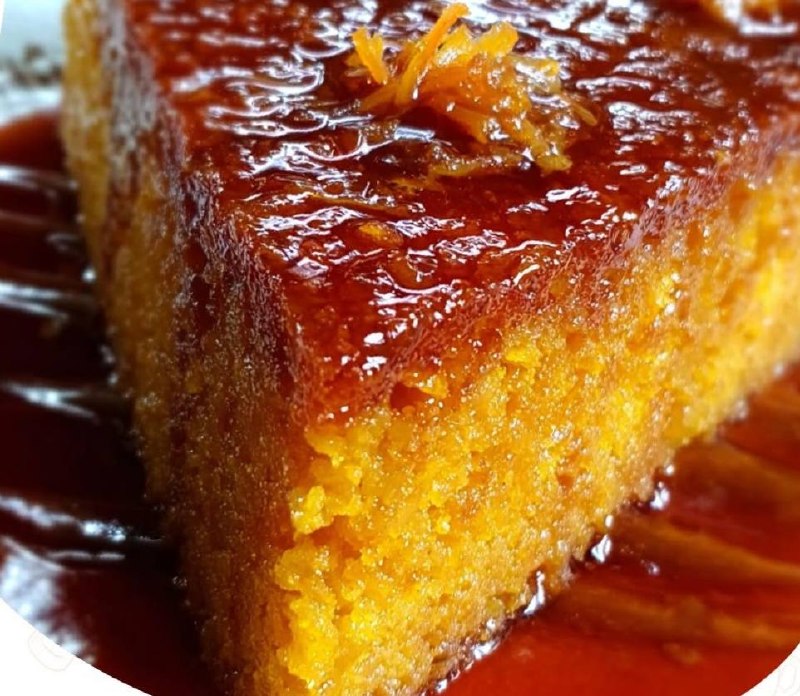
- Drizzle or brush the prepared glaze over the warm, but not piping hot, pudding. You can use the remaining orange zest as a garnish, sprinkling it over the glazed top for an extra burst of citrus aroma and color.
- Allow the pudding to cool further before slicing and serving. It can be served warm or at room temperature.
Cooking Tips and Variations
To achieve the best Jamaican Sweet Potato Pudding, start with fresh, high-quality sweet potatoes. Varieties like Jewel or Garnet are excellent choices due to their naturally sweet flavor and moist texture, which contribute significantly to the pudding’s richness. For the coconut milk, always opt for full-fat canned coconut milk; its richness is crucial for the creamy, authentic taste. Shake the can well before opening to ensure the cream and liquid are fully incorporated. When it comes to spices, don’t be shy! Freshly ground cinnamon, nutmeg, and ginger will provide a more potent and aromatic flavor profile compared to pre-ground spices that have been sitting in your pantry for a while. You can adjust the spice ratios to your personal preference, adding a little more ginger for a spicier kick or more cinnamon for a warmer, sweeter note.
For a truly smooth pudding, especially if you’re not a fan of grated texture, boil or steam your sweet potatoes until they are fork-tender. Then, mash them thoroughly or pass them through a food mill or ricer to ensure absolutely no lumps remain. This method yields a pudding with an incredibly silky consistency. If grating, make sure your grater creates fine strands, as this helps the sweet potato integrate better into the batter. When mixing, ensure all ingredients are thoroughly combined but avoid overmixing, which can sometimes lead to a tougher texture. Use a spatula to scrape down the sides of the bowl to ensure everything is incorporated.
Baking time is critical for this pudding. While the recipe suggests 60-75 minutes, ovens vary, so it’s essential to check for doneness. A good indicator is when a knife or toothpick inserted into the center comes out clean or with just moist crumbs attached. The pudding should feel firm but still have a slight jiggle in the very center. If it’s too wobbly, give it more time. Conversely, if it looks too dry or the edges are browning too quickly, cover it loosely with foil. Allowing the pudding to cool slightly in the pan after baking is crucial. This resting period allows the pudding to set properly, preventing it from crumbling when sliced. For the glaze, adjust the consistency by adding hot water or coconut milk a little at a time until it’s just right – thick enough to coat a spoon but thin enough to drizzle. A thin glaze will create a shiny, translucent finish, while a thicker one will be more opaque and creamy.
For variations, consider adding a handful of chopped raisins or dried cranberries to the batter for bursts of fruity sweetness. A tablespoon of grated fresh ginger can also elevate the spice profile, adding a zingy freshness. If you enjoy a boozier dessert, increase the rum slightly or brush a rum syrup (rum simmered with a little sugar) over the warm pudding before glazing. For a truly indulgent experience, serve a slice of warm pudding with a scoop of vanilla bean ice cream or a dollop of freshly whipped cream. A sprinkle of toasted shredded coconut on top before serving adds both visual appeal and a delightful crunch.
Storage and Reheating
Jamaican Sweet Potato Pudding with Coconut stores wonderfully, making it an excellent make-ahead dessert. Once completely cooled, cover the baking dish tightly with plastic wrap or transfer individual slices to an airtight container. Store the pudding in the refrigerator for up to 3-4 days. The flavors often meld and deepen overnight, making it even more delicious the next day.
For longer storage, you can freeze the pudding. Wrap individual slices or the entire cooled pudding tightly in plastic wrap, then an additional layer of aluminum foil. It can be frozen for up to 2-3 months. Thaw frozen pudding overnight in the refrigerator before reheating.
To reheat, you have a few options. For individual slices, the microwave is quick and convenient: heat on medium power for 30-60 seconds, or until warmed through. Be careful not to overheat, as this can dry out the pudding. For a larger portion or the entire pudding, place it in an oven preheated to 300°F (150°C), covered with foil, for about 15-20 minutes, or until heated through. This method helps retain moisture and keeps the pudding from drying out. You can also briefly warm slices in a toaster oven. Avoid reheating multiple times; it’s best to heat only what you plan to eat.
Frequently Asked Questions
Can I use canned sweet potato puree instead of fresh?
Yes, you can use canned sweet potato puree as a convenient alternative to fresh sweet potatoes. Ensure it’s plain sweet potato puree, not pie filling, and drain any excess liquid if the puree seems very wet. The texture might be slightly different, but the flavor will still be delicious.
Is this pudding naturally gluten-free?
No, the traditional recipe uses all-purpose flour, so it is not naturally gluten-free. However, you can easily make it gluten-free by substituting the all-purpose flour with a gluten-free all-purpose flour blend (one that contains xanthan gum) in the same quantity. The texture should remain quite similar.
Can I reduce the amount of sugar in the recipe?
Yes, you can reduce the amount of brown sugar if you prefer a less sweet dessert. Sweet potatoes themselves offer natural sweetness. Start by reducing it by 1/4 cup and taste the batter before baking (without the raw egg, of course, if tasting for sweetness). Keep in mind that sugar also contributes to the pudding’s moisture and texture, so reducing it too much might slightly alter the final consistency.