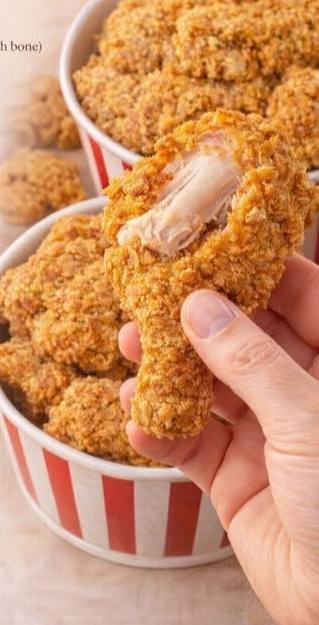
Instructions
- Prepare the Chicken and Marinade: Begin by thoroughly washing and patting the chicken pieces dry with paper towels. In a large bowl or a resealable plastic bag, combine the buttermilk, hot sauce (if using), 2 teaspoons salt, and 1 teaspoon black pepper. Add the chicken pieces, ensuring they are fully submerged in the marinade. Cover the bowl or seal the bag and refrigerate for at least 4 hours, or preferably overnight, for maximum flavor and tenderness.
- Prepare the Breading Mixture: In a large, shallow dish or a brown paper bag (for easy shaking), whisk together the flour, cornstarch, 2 tablespoons salt, 2 tablespoons black pepper, paprika, garlic powder, onion powder, oregano, basil, thyme, cayenne pepper, ground ginger, white pepper, and celery salt until well combined. This is your flavorful spice blend for the crispy coating.
- Set Up for Dredging: Remove the chicken from the refrigerator. Place a wire rack over a baking sheet. You will want to create an assembly line: marinade, breading mixture, and then the wire rack.
- First Dredge: Working with one piece of chicken at a time, remove it from the buttermilk marinade, allowing any excess to drip off. Place the chicken piece into the breading mixture. Generously coat the chicken, pressing the flour mixture onto all sides. Ensure every part of the chicken is covered.
- Second Dredge (The Key to Crispiness!): Dip the floured chicken piece back into the buttermilk marinade for just a second, letting the excess drip off again. Immediately return it to the breading mixture for a second, thorough coating. This double-dredging technique is crucial for achieving that thick, craggy, extra-crispy crust. Shake off any loose flour and place the double-coated chicken piece on the prepared wire rack. Repeat with the remaining chicken pieces. Allow the breaded chicken to rest on the rack for at least 15-20 minutes at room temperature. This resting period helps the breading adhere better to the chicken, preventing it from falling off during frying.
- Heat the Frying Oil: Pour the vegetable oil into a large, heavy-bottomed pot, Dutch oven, or deep fryer. The oil should be deep enough to cover the chicken pieces halfway. Heat the oil over medium-high heat until it reaches a temperature of 325-350°F (160-175°C). Use a candy or deep-fry thermometer to accurately monitor the temperature. Maintaining the correct oil temperature is paramount for crispy, evenly cooked chicken.
- Fry the Chicken: Carefully lower 2-3 pieces of chicken into the hot oil, ensuring not to overcrowd the pot. Overcrowding will drastically lower the oil temperature, resulting in greasy, soggy chicken. Fry the chicken for about 6-8 minutes on each side, or until it is deeply golden brown and cooked through. The internal temperature of the chicken should reach 165°F (74°C) when measured with an instant-read thermometer inserted into the thickest part of the meat, avoiding the bone.
- Maintain Oil Temperature: As you fry, keep an eye on the oil temperature. If it drops too low, increase the heat slightly. If it gets too high and the chicken is browning too quickly, reduce the heat.
- Drain and Rest: Once cooked, carefully remove the chicken from the oil using tongs and place it on a clean wire rack set over a baking sheet to drain any excess oil. Do not place it directly on paper towels, as this can make the bottom soggy. Allow the chicken to rest for at least 5-10 minutes before serving. This resting period allows the juices to redistribute, ensuring moist and tender meat.
- Serve Immediately: Serve your homemade KFC-style crispy fried chicken hot and enjoy the incredible crunch and flavor!
Cooking Tips and Variations
Maintain Oil Temperature Religiously: This is arguably the most critical factor for perfect fried chicken. If the oil is too cool, the breading will absorb too much oil, resulting in greasy chicken. If it’s too hot, the exterior will burn before the interior cooks through. Invest in a good deep-fry thermometer and keep the oil within the 325-350°F (160-175°C) range. Adjust heat as needed. A stable temperature ensures even cooking and a golden, crispy crust.
Don’t Overcrowd the Pot: Frying too many pieces at once will cause the oil temperature to drop significantly, leading to soggy chicken. Fry in batches, typically 2-3 pieces at a time, depending on the size of your pot. This allows the oil to recover its temperature between batches.
Pat Chicken Dry Before Marinating: While the marinade is wet, ensuring the chicken itself is dry before it goes into the buttermilk helps the marinade adhere better and penetrate the meat more effectively.
The Double-Dredge and Resting Period Are Non-Negotiable: The initial dredge creates a base for the spices, the second dip in buttermilk and breading creates those iconic craggy bits, and the 15-20 minute rest allows the flour to become slightly damp, creating a cohesive coating that won’t fall off during frying. Do not skip these steps!
Use the Right Oil: Peanut oil is excellent for frying due to its high smoke point and neutral flavor. Vegetable oil or canola oil are also good, affordable alternatives. Avoid olive oil as it has a lower smoke point.
Spice Adjustment: Feel free to customize the spice blend to your liking. Want more heat? Add more cayenne or a pinch of white pepper. Prefer a smokier flavor? Increase the paprika. The listed blend is a great starting point for a classic KFC flavor profile, but don’t be afraid to experiment.
For Even Crispier Skin: Some chefs swear by adding a tablespoon of baking powder to the dry breading mixture. This can contribute to an even lighter, crispier coating by promoting more bubbles during frying.
Use a Dutch Oven or Cast Iron Skillet: These heavy-bottomed pots retain heat very well, which helps maintain a consistent oil temperature, especially important when frying in batches.
Variation: Spicy Fried Chicken: For those who love a fiery kick, increase the amount of cayenne pepper in the breading to 1-2 teaspoons. You can also add a pinch of chili powder or red pepper flakes to the buttermilk marinade.
Variation: Boneless Fried Chicken: While bone-in chicken offers more flavor, you can adapt this recipe for boneless chicken thighs or breasts. Adjust frying times accordingly; boneless pieces will cook faster (typically 5-7 minutes per side, or until 165°F internal temperature). Be careful not to overcook boneless pieces, as they can dry out quickly.
Storage and Reheating
Storage: Leftover fried chicken should be stored in an airtight container in the refrigerator within 2 hours of cooking. It will stay fresh for 3-4 days. While it won’t be as crispy as fresh, the flavor will still be delicious.
Reheating for Best Crispiness: To restore some of that glorious crispiness, avoid the microwave. The microwave will make the chicken soggy. Instead, preheat your oven or a toaster oven to 375°F (190°C). Place the chicken pieces on a wire rack set over a baking sheet (this allows air to circulate and prevents sogginess). Reheat for 15-20 minutes, or until heated through and the skin is crispy again. For smaller pieces, an air fryer at 350°F (175°C) for 8-12 minutes also works wonders.
Reheating (Quick Method, less crispy): If you’re in a rush and don’t mind a slightly less crispy result, you can gently pan-fry the chicken in a little oil over medium heat for a few minutes per side until heated through.
Frequently Asked Questions
Why do I need to marinate the chicken in buttermilk?
Buttermilk is a game-changer for fried chicken! Its mild acidity helps to tenderize the chicken meat, making it incredibly juicy and succulent. It also acts as a fantastic binder for the breading, helping all those delicious spices stick to the chicken for that perfect crispy crust. It infuses the chicken with a subtle tangy flavor that complements the spices beautifully.
What’s the secret to getting that really craggy, crispy crust like KFC?
The key lies in the double-dredging technique and the resting period. Dipping the chicken twice in the breading mixture, with a quick dip back into the buttermilk in between, creates multiple layers and those signature nooks and crannies. The subsequent resting period (15-20 minutes) allows the moisture from the chicken and buttermilk to fully hydrate the flour, forming a paste that adheres firmly to the chicken and crisps up beautifully in the hot oil, preventing the breading from falling off.
My fried chicken always comes out greasy. What am I doing wrong?
Greasy fried chicken is almost always a sign that your oil temperature was too low. When the oil isn’t hot enough, the breading acts like a sponge, absorbing the oil instead of forming a quick, crispy seal. Ensure your oil is consistently between 325-350°F (160-175°C) throughout the frying process. Also, avoid overcrowding the pot, as this will drop the oil temperature significantly. Frying in smaller batches helps maintain that crucial heat.
Can I make this recipe gluten-free?
Yes, you can adapt this recipe to be gluten-free. Substitute the all-purpose flour in the breading mixture with a good quality gluten-free all-purpose flour blend (one that contains xanthan gum works best for structure) or a mix of rice flour and cornstarch. The texture will be slightly different, but you can still achieve a delicious and crispy result.