Instructions
- Preheat Oven and Prepare Pan: Preheat your oven to 350°F (175°C). Grease and flour a 9×13-inch rectangular baking pan, or line it with parchment paper, leaving an overhang on the sides for easy removal later.
- Combine Dry Ingredients: In a large bowl, whisk together the sifted all-purpose flour, granulated sugar, baking powder, baking soda, and salt. Make sure there are no lumps.
- Combine Wet Ingredients: In a separate medium bowl, whisk together the milk (or buttermilk), vegetable oil (or melted butter), eggs, ¼ cup lime juice, 2 tablespoons lime zest, and vanilla extract until well combined and smooth.
- Combine Wet and Dry: Pour the wet ingredients into the dry ingredients. Using a spatula or a whisk, mix until just combined. Be careful not to overmix; a few small lumps are fine. Overmixing can lead to a tough cake.
- Pour and Bake: Pour the cake batter evenly into the prepared 9×13-inch baking pan. Spread it out with a spatula if needed. Bake for 30-35 minutes, or until a wooden skewer or toothpick inserted into the center comes out clean.
- Cool the Cake: Once baked, remove the cake from the oven and let it cool in the pan for about 10-15 minutes. While still warm, you can optionally brush the top of the cake with 1-2 tablespoons of additional fresh lime juice for an extra burst of flavor and moisture. After brushing, transfer the cake to a wire rack to cool completely before frosting. This is crucial; frosting a warm cake will cause the frosting to melt.
- Prepare the Creamy Lime Frosting: In a large mixing bowl, using an electric mixer (stand mixer with paddle attachment or handheld mixer), beat the softened cream cheese and softened butter together on medium speed until smooth and creamy, about 2-3 minutes. Scrape down the sides of the bowl as needed.
- Add Remaining Frosting Ingredients: Gradually add the sifted powdered sugar, ½ cup at a time, beating well after each addition until fully incorporated. Once all the sugar is added, beat in the ¼ cup fresh lime juice, 1 tablespoon lime zest, vanilla extract, and a pinch of salt. Continue beating on medium-high speed for another 2-3 minutes until the frosting is light, fluffy, and smooth.
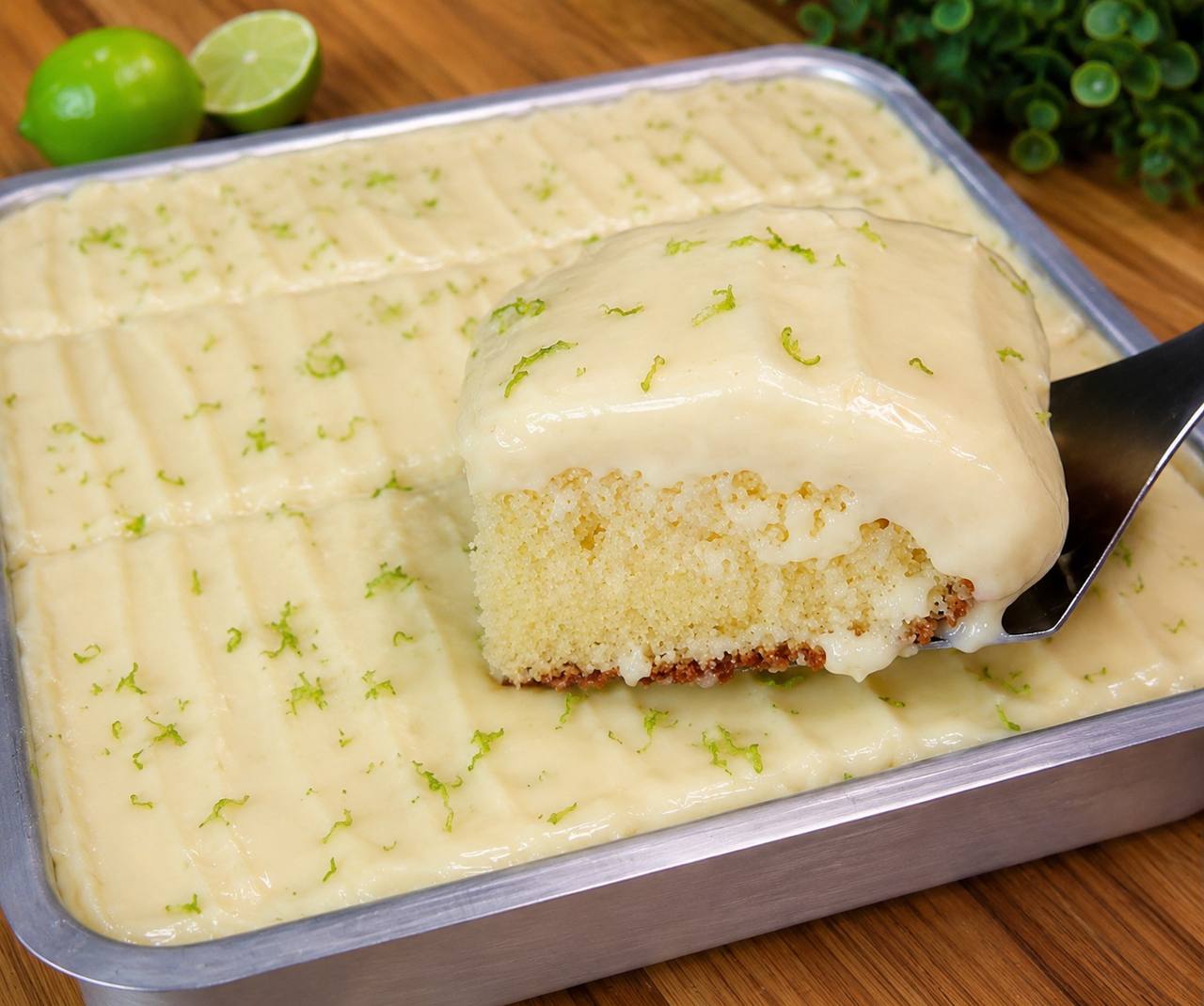
- Frost the Cake: Once the cake is completely cool, spread the creamy lime frosting evenly over the top using an offset spatula or the back of a spoon.
- Garnish and Serve: Garnish generously with additional fresh lime zest. For an extra touch, you can arrange thin lime slices on top. Slice the cake into squares and serve. Enjoy your zesty and refreshing LIME Cake!
Cooking Tips and Variations
Best Lime Practices: To get the most juice from your limes, microwave them for 10-15 seconds or roll them firmly on your countertop before cutting. Always zest your limes before you juice them – it’s much easier! For the brightest flavor, always use fresh limes; bottled lime juice simply doesn’t compare.
Room Temperature Ingredients are Key: Ensure your eggs, milk (or buttermilk), cream cheese, and butter are all at room temperature before you start. This allows them to emulsify better, creating a smoother batter and a more uniform, tender cake crumb. It also helps achieve a perfectly smooth and lump-free frosting.
Don’t Overmix the Batter: When combining the wet and dry ingredients for the cake, mix only until just combined. Overmixing develops the gluten in the flour too much, resulting in a tough, dense cake. A few small lumps are perfectly acceptable.
Achieving Perfect Frosting Consistency: If your frosting seems too thick, you can add a tiny splash more lime juice or milk (½ teaspoon at a time) until it reaches your desired consistency. If it’s too thin, add a tablespoon or two more sifted powdered sugar until it thickens up. For a truly pourable glaze if you prefer that style, you could slightly thin the frosting with more lime juice and less powdered sugar, or consider making a simpler glaze with just powdered sugar and lime juice.
Storage for Freshness: While this cake is best enjoyed on the day it’s made, it stores beautifully. Keep it covered tightly with plastic wrap or in an airtight container at room temperature for up to 2 days, or in the refrigerator for up to 5 days. If refrigerating, let it come to room temperature for about 30 minutes before serving for the best flavor and texture.
Coconut-Lime Cake Variation: For a tropical twist, substitute half of the milk with full-fat coconut milk in the cake batter. You can also add ½ cup of shredded unsweetened coconut to the cake batter. For the frosting, mix in another tablespoon of lime zest and 2-3 tablespoons of cream of coconut for a richer, more pronounced coconut-lime flavor.
Boozy Lime Cake Delight: Elevate your adult dessert game by adding a splash of your favorite spirit. A tablespoon or two of white rum or tequila can be added to the lime frosting along with the lime juice for a sophisticated kick. Alternatively, brush the cooled cake with a lime simple syrup infused with a touch of rum before frosting.
Individual Servings: This recipe can easily be adapted for individual portions. Pour the batter into cupcake liners for about 24 lime cupcakes, adjusting the baking time to 18-22 minutes. You can also bake it in a smaller square pan (8×8 or 9×9 inch) for thicker bars, adjusting baking time as needed. Simply check for doneness with a toothpick.
Add a Crunch: For an interesting texture contrast, sprinkle toasted shredded coconut or finely chopped pistachios over the frosted cake along with the lime zest.
Sweetness Adjustment: If you prefer a less sweet frosting, you can slightly reduce the amount of powdered sugar, but be mindful that this might affect the consistency. You can also increase the lime juice in the frosting for an extra tangy kick if you love that sour punch!
Storage and Reheating
Storing your LIME Cake properly is essential to maintain its freshness, moisture, and delicious flavor. Because the frosting contains cream cheese and butter, refrigeration is recommended for optimal storage, especially if you plan to keep it for more than a day or if your kitchen is warm.
Room Temperature Storage: If you are serving the cake within 24 hours and your environment is cool (below 70°F or 21°C), you can store the cake, covered loosely with plastic wrap or an airtight cake dome, at room temperature. However, for best quality and food safety, refrigeration is generally preferred due to the cream cheese in the frosting.
Refrigerator Storage: For longer storage, or if you live in a warmer climate, place the cake in an airtight container or cover it tightly with plastic wrap. Store it in the refrigerator for up to 5 days. This will keep the frosting firm and prevent the cake from drying out. When ready to serve, remove the cake from the refrigerator about 30-60 minutes before slicing. This allows the cake and frosting to come closer to room temperature, which significantly improves their texture and flavor, making the cake softer and the frosting creamier and more flavorful.
Freezing the Cake: If you want to store the cake for an extended period, it freezes beautifully! You can freeze the entire cake or individual slices. To freeze, first place the unfrosted or frosted cake (ensure frosting is set) in the freezer for about 1-2 hours until firm. This helps prevent the frosting from sticking to the wrapping. Once firm, wrap the cake tightly in several layers of plastic wrap, then an additional layer of aluminum foil to prevent freezer burn. For slices, wrap each piece individually. Freeze for up to 2-3 months.
Thawing Frozen Cake: To thaw, transfer the wrapped cake (or slices) from the freezer to the refrigerator overnight. Once thawed, let it sit at room temperature for about 30-60 minutes before serving. Do not thaw at room temperature directly, as this can lead to condensation and a soggy cake.
Reheating: This LIME Cake is truly best served at room temperature or slightly chilled, so reheating is generally not recommended. The texture of the cake and frosting is designed to be enjoyed cool or at room temperature. Heating it would likely melt the frosting and alter the delicate balance of textures.
Frequently Asked Questions
What kind of limes should I use for the best flavor?
For the absolute best flavor in your LIME Cake, always opt for fresh, ripe Key limes if you can find them. Key limes are smaller, more aromatic, and offer a more intense, tart, and floral lime flavor compared to the larger Persian limes. If Key limes are unavailable, regular Persian limes will work perfectly well; just make sure they are fresh, firm, and have a vibrant green color. Freshly squeezed juice and freshly zested lime are non-negotiable for that authentic, bright lime taste.
Can I make this cake gluten-free?
Yes, you can absolutely adapt this LIME Cake recipe to be gluten-free! Simply substitute the all-purpose flour with a good quality 1:1 gluten-free all-purpose flour blend that contains xanthan gum. Many brands are specifically formulated for baking cakes and will yield excellent results. Follow the rest of the recipe instructions as written. Some gluten-free flour blends can absorb more liquid, so keep an eye on the batter consistency; if it seems too thick, you can add an extra tablespoon of milk or lime juice.
My frosting seems too thin/thick. How can I fix it?
Frosting consistency can be tricky, but it’s usually easy to adjust. If your lime frosting is too thin, it likely needs more powdered sugar. Add sifted powdered sugar, one tablespoon at a time, beating well after each addition until it reaches your desired thick, spreadable consistency. If your frosting is too thick, it needs a bit more liquid. Add a very small amount of fresh lime juice or milk, about ½ teaspoon at a time, beating well until it loosens up to the perfect consistency. Remember to scrape down the sides of the bowl frequently to ensure everything is evenly incorporated.
Can I prepare parts of the cake in advance?
Absolutely! This LIME Cake is great for making ahead. You can bake the cake layers a day in advance. Once completely cooled, wrap the unfrosted cake tightly in plastic wrap and store it at room temperature. You can also make the lime frosting a day ahead; store it in an airtight container in the refrigerator. Before frosting the cake, let the frosting come to room temperature for about 30-60 minutes, then give it a quick whip with an electric mixer to restore its creamy, fluffy texture before spreading it on the cooled cake.